Image 1 of 22
1 / 22
Plant Reference
Fothergilla, Genus, gardenii, Species,
- Genus & species
dwarf fothergilla
Southeastern United States — Virginia to Alabama along the coastal plain; sandy bogs and moist pine savannas
Overview
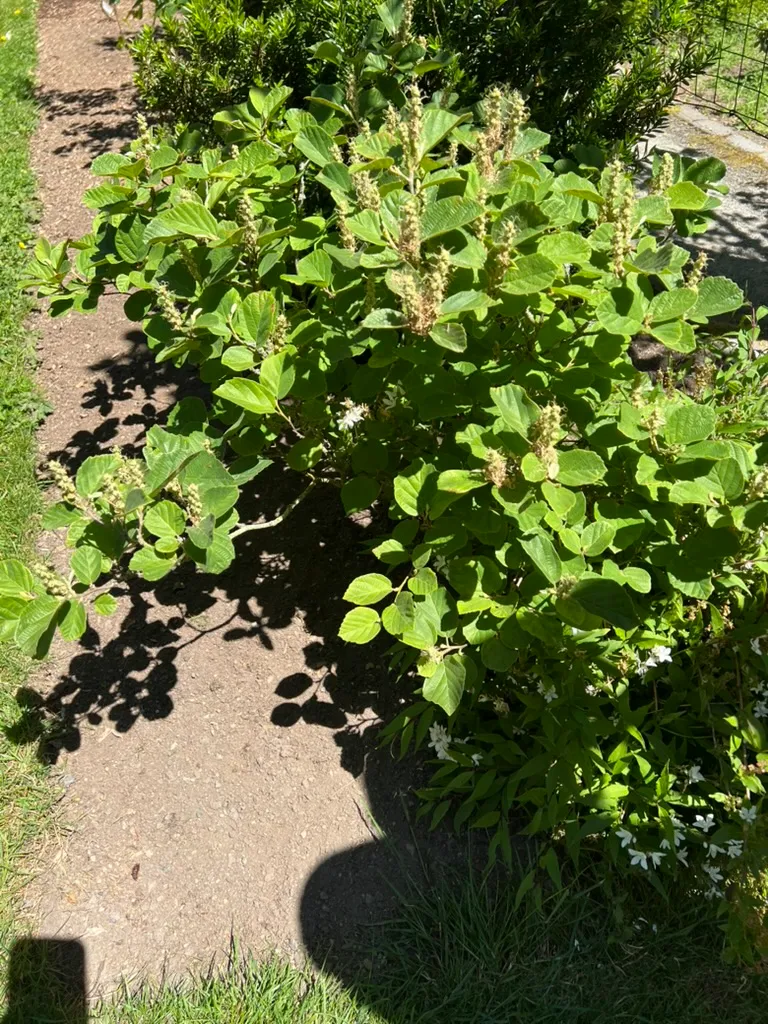
Fothergilla gardenii is dwarf fothergilla (dwarf witch alder), a compact mounding deciduous shrub growing 2-3 feet (60-90 cm) tall and 2-3 feet (60-90 cm) wide. White fragrant bottlebrush-like flower spikes 1-2 inches (2.5-5 cm) in April-May — no petals; the display is entirely staminal filaments. Flowers appear before or as the leaves emerge. Dark green to blue-green oval leaves 1-2.5 inches (2.5-6 cm) coarsely toothed on the upper half. Turns yellow, orange, red, and scarlet in fall — multiple colors often appear simultaneously on the same plant. In Hamamelidaceae (the witch hazel family). Native to the southeastern US coastal plain — sandy bogs and moist pine savannas. Requires acidic soil (pH 4.5-6.0) — iron chlorosis in alkaline conditions. Companion plant to rhododendrons and azaleas (same soil requirements). Slow-growing and slow to establish — the slow growth is the primary limitation. The bloom period is short (2 weeks). Fall color is most vivid in full sun. Native alternative to the invasive Euonymus alatus for fall color. Deer-resistant. Not drought-tolerant. Non-toxic. Zones 5-9. Full sun to partial shade. Growth rate is slow.
Native Range
Native to the southeastern United States — Virginia to Alabama along the coastal plain. Found in sandy bogs and moist pine savannas.Suggested Uses
Grown as a foundation planting, mixed border component, woodland edge, and in containers of at least 5 gallons (19 L), spaced 2-3 feet (60-90 cm). Fragrant spring bloom. Multicolor fall foliage. Native to eastern North America. Native alternative to invasive Euonymus alatus. Requires acidic soil. Deer-resistant. Non-toxic. Zones 5-9.How to Identify
Appearance
Size & Dimensions
Height2' - 3'
Width/Spread2' - 3'
Bloom Information
Mid spring (April-May). White fragrant bottlebrush-like flower spikes 1-2 inches (2.5-5 cm) — no petals, entirely staminal filaments. Moderately fragrant (honey-scented). 2 weeks of bloom. Bee-pollinated.
Detailed Descriptions
Flower Description
White, fragrant, bottlebrush-like spikes 1-2 inches (2.5-5 cm) long — no petals; the display is entirely staminal filaments tipped with white anthersFoliage Description
Dark green to blue-green, oval, coarsely toothed on upper half, 1-2.5 inches (2.5-6 cm) long; turns yellow, orange, red, and scarlet in fall — multiple colors often appear simultaneously on the same plantGrowing Conditions
Sun Requirements
Requires 4-8 hours of direct sunlight daily
• Full Sun: 6+ hours of direct sunlight
• Partial Shade: 3-6 hours of direct sunlight
• Full Shade: Less than 3 hours of direct sunlight
Care & Maintenance
Care Guide
Full sun to partial shade (4-8 hours — full sun for vivid fall color). Acidic well-drained soil pH 4.5-6.0 — iron chlorosis in alkaline conditions. Same soil requirements as rhododendrons. Not drought-tolerant. Blooms on old wood — prune lightly after flowering if needed. Slow-growing. Deer-resistant. Non-toxic. Zones 5-9.Pruning
Prune lightly after flowering (May) if shaping is needed — blooms on old wood. The compact mounding form is natural — minimal pruning required. Remove dead stems. Suckers slowly — remove if colony spread is not wanted.Pruning Schedule
Prune: May
late spring
Container Growing
Suitable for container growing
Minimum container size: 5 gallons