Fimbristylis, Genus, spp., Multiple species,
- Genus
- Multiple species
fringe rush
Pantropical and warm-temperate worldwide
Overview
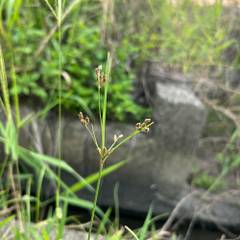
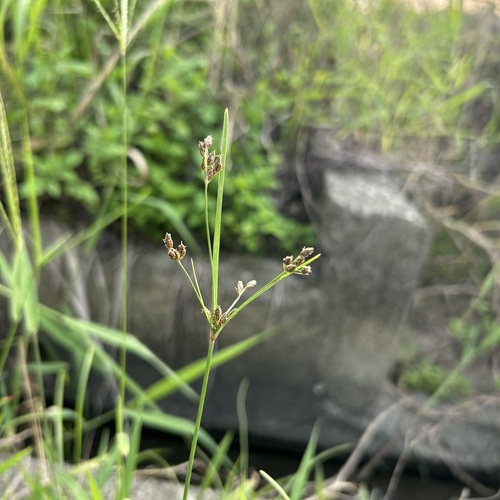
Fimbristylis is a genus of around 300 species of grass-like sedges in the sedge family, widespread across tropical and warm-temperate regions worldwide. Most are tufted annuals or short-lived perennials 10-90 cm (4-36 in) tall, with slender, often basal, green leaves and erect, three-angled or rounded flowering stems. The small brown to reddish-brown spikelets are gathered in open or compact terminal clusters, giving a fringed appearance that lends the common name fringe-rush. The genus differs from related sedges in its deciduous flower style, which falls away cleanly as the seed matures. Species grow in wet meadows, rice fields, ditches, marshes, and seasonally flooded ground, and several are weeds of cultivated land. Many tolerate poor, periodically waterlogged soils. The slender habit and modest flowers keep the genus to a limited role in ornamental planting. Species such as F. dichotoma are widespread across warm regions.
Native Range
Fimbristylis occurs across the tropics and warm-temperate zones of the world, with the greatest diversity in tropical Asia, Africa, Australia, and the Americas. Species grow in wetlands, rice paddies, ditches, and seasonally flooded grassland.Suggested Uses
Fimbristylis is planted at pond and bog margins, in rain gardens, and in wetland restoration. The clumping species suit damp naturalistic plantings. The seed feeds wetland birds and the foliage shelters small aquatic wildlife.How to Identify
Appearance
Size & Dimensions
Height4" - 3'
Width/Spread4" - 1'6"
Bloom Information
Flowering occurs through the warm months, mainly summer and autumn, and year-round in tropical climates. The small brown spikelets are wind-pollinated and inconspicuous. Seed is set quickly, and annual species complete their cycle within a single season.
Detailed Descriptions
Flower Description
brown to reddish-brownFoliage Description
greenGrowing Conditions
Sun Requirements
Requires 6-12 hours of direct sunlight daily
• Full Sun: 6+ hours of direct sunlight
• Partial Shade: 3-6 hours of direct sunlight
• Full Shade: Less than 3 hours of direct sunlight
Water & Climate
Water Needs
Care & Maintenance
Care Guide
Fimbristylis grows in full sun in moist to wet soils, including clay, loam, and periodically flooded ground, and tolerates a soil pH of about 5.5-7.5. Plants need ample moisture and decline in dry conditions, which suits them to pond margins, bog gardens, and rain gardens. Annual species reseed readily and can spread into open damp ground. Perennial species form tufts that are divided in spring. Little feeding is required. Growth is fast in warm, wet conditions.Pruning
Spent flowering stems are cut back after seeding to limit self-sowing. Perennial tufts can be trimmed of old foliage in late winter. Plants regrow from the base after cutting.Container Growing
Suitable for container growing
Minimum container size: 2 gallons