Image 1 of 3
1 / 3
Plant Reference
×, Hybrid, Fatshedera, Genus, lizei, Species,
- Hybrid
- Genus & species
fatshedera
Garden hybrid; no native range. Parent species from Japan and Atlantic Europe/North Africa.
Overview
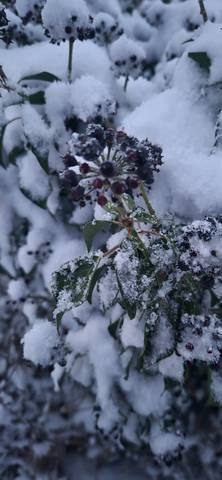
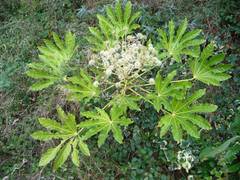
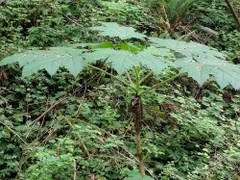
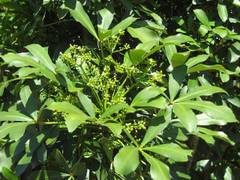
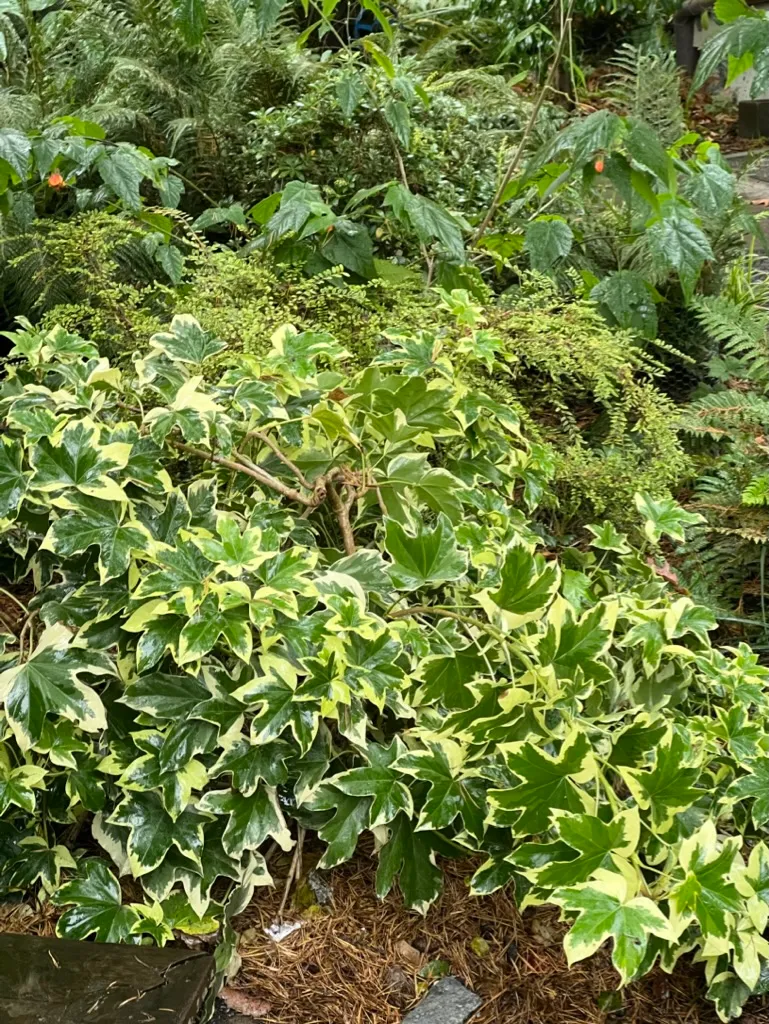
× Fatshedera lizei is a bigeneric hybrid evergreen shrub with semi-woody, scrambling stems reaching 6–12 feet (1.8–3.7 m) tall when supported and 4–6 feet (1.2–1.8 m) wide as an unsupported mound. Stems do not produce clinging rootlets and require tying to supports to climb; without support the plant flops into a loose mound. Leaves are palmate with 5–7 lobes, 4–10 inches (10–25 cm) across, glossy dark green above and slightly paler beneath, intermediate in size between the parent genera Fatsia and Hedera. In October and November, small whitish-green flowers appear in terminal rounded clusters 1–2 inches (2.5–5 cm) across, followed rarely by small black berries. Growth rate is moderate, adding 12–24 inches (30–60 cm) per year. Stems are killed to the ground at temperatures below 10–15°F (−12 to −9°C) and may resprout from the roots in spring. Leaf edges scorch in direct afternoon sun in hot summers and in desiccating winter winds, which limits siting in exposed positions. The hybrid is sterile and produces little to no viable seed.
Native Range
× Fatshedera lizei has no native range; it is a garden-raised bigeneric hybrid first produced in 1910 at the Frères Lizé nursery in Nantes, France. The parent species originate from Japan (Fatsia japonica) and the Atlantic coast of Europe and North Africa (Hedera hibernica).Suggested Uses
Used as a large-leaved foliage shrub in shaded borders, against north- or east-facing walls, and under canopy trees. Trained against a wall, fence, or trellis as a supported climber in zones 7–10. Grown in containers of at least 15 gallons (57 L) and overwintered indoors in zones below 7. Reaches a 6-foot (1.8 m) vertical span within 3–4 years when provided with support.How to Identify
Appearance
Size & Dimensions
Height6' - 12'
Width/Spread4' - 6'
Colors
Bloom Information
Blooms October through November in zones 7–10. Flowers are small, whitish-green, and held in rounded terminal clusters 1–2 inches (2.5–5 cm) across. Individual clusters last 2–4 weeks. Fruit set is sparse; the hybrid is sterile and produces few viable seeds.
Detailed Descriptions
Foliage Description
glossy dark green above, slightly paler beneathGrowing Conditions
Sun Requirements
Requires 2-4 hours of direct sunlight daily
• Full Sun: 6+ hours of direct sunlight
• Partial Shade: 3-6 hours of direct sunlight
• Full Shade: Less than 3 hours of direct sunlight
Care & Maintenance
Care Guide
Plant in partial to full shade; direct afternoon sun causes leaf scorch and bleaching, particularly in summer and in zone 8 and warmer. Water weekly for the first growing season; established plants tolerate moderate drought but maintain denser foliage with consistent soil moisture. Shelter from desiccating winter winds, which cause leaf-edge browning. If stems are killed by frost, cut back to the ground in late winter; new shoots emerge from the base if roots survive. Fertilize once in early spring with a balanced slow-release fertilizer. Spider mites colonize plants grown in hot, dry conditions; increased humidity and air circulation reduce infestation.Pruning
Prune in late winter or early spring before new growth emerges. Remove frost-damaged or dead stems at the base. Tip-pinch actively growing shoots in spring to encourage branching and a denser habit; without pinching the plant produces long, sparse stems. When trained as a climber, tie new growth to supports every 4–6 weeks during the growing season.Pruning Schedule
Prune: February–March
early spring
Container Growing
Suitable for container growing
Minimum container size: 15 gallons