Fallugia, Genus, spp., Multiple species,
- Genus
- Multiple species
apache plume
South-western United States and northern Mexico
Overview
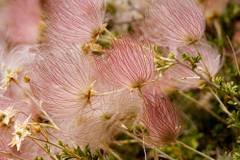
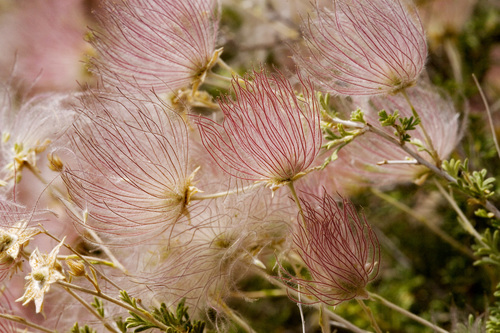
Fallugia is a genus in the rose family, Rosaceae, with the single species F. paradoxa, known as Apache plume, native to the south-western United States and northern Mexico. It is a semi-evergreen to deciduous shrub 2-6 feet (0.6-1.8 m) tall and as wide, with slender, brittle, straw-coloured branches and small wedge-shaped leaves 0.25-0.6 inch (6-15 mm) long that are green above and rusty-hairy beneath, often rolled at the edges. White five-petalled flowers, 1-1.5 inches (2.5-4 cm) across and resembling small wild roses, open from late spring through summer and into autumn. As the flowers fade, each forms a cluster of seeds tipped with long, feathery, pink to purplish plumes that persist for weeks, the feature behind the common name. The shrub suckers to form loose colonies and grows on dry, rocky, and sandy soils, including alkaline ground, in desert grassland, washes, and slopes. It tolerates heat, drought, and cold once established, and is browsed by deer and other animals. Growth is open and somewhat sprawling, and plants are sparse-looking in poor, very dry sites.
Native Range
Fallugia paradoxa is native to the south-western United States, from Colorado and Utah south through Arizona, New Mexico, and western Texas into northern Mexico, growing in desert grassland, washes, and rocky slopes.Suggested Uses
Grown in water-wise, native, and desert gardens, on dry banks, and for erosion control on slopes. The persistent feathery seed heads add interest through summer and autumn. Suckering colonies are used to stabilise sandy and rocky ground.How to Identify
Appearance
Size & Dimensions
Height2' - 6'
Width/Spread3' - 6'
Bloom Information
Flowering runs from late spring through summer and into autumn, often with flowers and feathery seed heads on the plant at the same time. The white rose-like flowers are followed by plumed seed clusters that turn pink to purplish. Bees visit the flowers.
Detailed Descriptions
Foliage Description
green above, rusty beneathGrowing Conditions
Sun Requirements
Requires 6-12 hours of direct sunlight daily
• Full Sun: 6+ hours of direct sunlight
• Partial Shade: 3-6 hours of direct sunlight
• Full Shade: Less than 3 hours of direct sunlight
Care & Maintenance
Care Guide
Grow in full sun on dry, well-drained sandy or rocky soil, including alkaline and limestone ground. The shrub is heat- and drought-tolerant once established and needs only occasional deep watering in extended dry spells. Soil pH from about 6.5 to 8.5 is tolerated. Excess water and rich, heavy soils cause weak, floppy growth and shorten the plant life. The species is cold-hardy to about USDA zone 4 and also withstands desert heat. Suckering stems can be removed to limit spread.Pruning
Prune in late winter to remove dead or damaged wood and to shape the loose, open habit. Cutting some of the oldest stems to the base renews the shrub and encourages denser growth. Suckers are removed where colonies are not wanted.Pruning Schedule
Prune: February–March
winterearly spring