Eulophia, Genus, spp., Multiple species,
- Genus
- Multiple species
eulophia
Tropical and subtropical Africa, Asia, and Australia
Overview
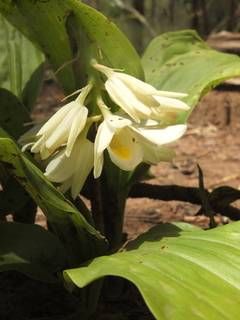
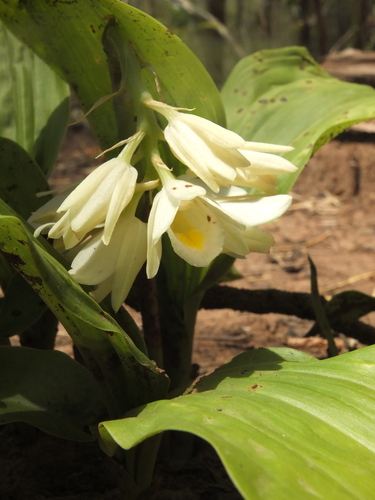
Eulophia is a genus of about 200 species of mostly terrestrial orchids in the family Orchidaceae, distributed through the tropics and subtropics of Africa, Asia, and Australia, with the greatest concentration in sub-Saharan Africa. Most species grow from underground pseudobulbs or corms and send up erect flower spikes 6 inches to 6 feet (15-180 cm) tall, depending on species. The pleated leaves are grass-like to broadly lance-shaped, emerging with or after the flowers, and a few species lack green leaves entirely, drawing nourishment from soil fungi. Flowers are carried in loose to dense racemes and range across green, yellow, brown, purple, pink, and white, often with a contrasting lip. Many species grow in seasonally dry grassland and savanna, dying back to the storage organ during the dry season, while forest species keep their leaves year-round. Plants need a marked rest period and rot if kept wet while dormant. Flowering time varies with species and rainfall, falling mainly in spring and summer. The genus spans a wide range of habitats, from open sandy flats to woodland margins and seasonally waterlogged ground.
Native Range
Eulophia is widely distributed across the tropics and subtropics of Africa, Asia, and Australia, with a few species reaching the Americas; the centre of diversity lies in sub-Saharan Africa.Suggested Uses
Grown in terrestrial orchid collections, tropical and subtropical beds, and containers under glass in cooler climates. Grassland species are used in seasonally dry native plantings within their range. Clumps suit raised sandy beds where drainage and a dry dormancy can be managed.How to Identify
Appearance
Size & Dimensions
Height6" - 6'
Width/Spread6" - 2'
Bloom Information
Flowering varies by species and rainfall, occurring mainly in spring and summer, with grassland species often blooming as the rains begin and before the leaves develop. Spikes carry their flowers over several weeks. Bees and other insects pollinate the flowers.
Detailed Descriptions
Flower Description
green, yellow, brown, purple, pink, or whiteFoliage Description
greenGrowing Conditions
Sun Requirements
Requires 4-10 hours of direct sunlight daily
• Full Sun: 6+ hours of direct sunlight
• Partial Shade: 3-6 hours of direct sunlight
• Full Shade: Less than 3 hours of direct sunlight
Care & Maintenance
Care Guide
Grow in a free-draining terrestrial orchid mix of coarse sand, loam, and humus, in part shade to full sun depending on the species origin. Water and feed during active growth in the warm season, then reduce sharply once the leaves yellow, keeping the dormant pseudobulbs nearly dry until growth resumes. Soil pH from about 5.5 to 7.0 suits most species. The genus is frost-tender and grows outdoors only in tropical and subtropical zones 9 to 11, or under glass elsewhere. Wet, cold conditions during dormancy cause the storage organs to rot. Grassland species need a hot, dry rest to flower well.Pruning
No pruning is needed beyond removing spent flower spikes once blooming finishes. Dead leaves are cleared as they yellow at the end of the growing season. Crowded clumps are divided at the start of the growing season, keeping several pseudobulbs per division.Container Growing
Suitable for container growing
Minimum container size: 2 gallons