Eucrypta, Genus, spp., Multiple species,
- Genus
- Multiple species
hideseed
South-western North America (California, Arizona, Baja California, north-western Mexico)
SunFull Sun – Part Shade
Overview
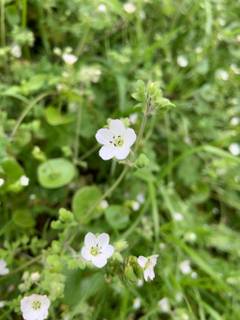
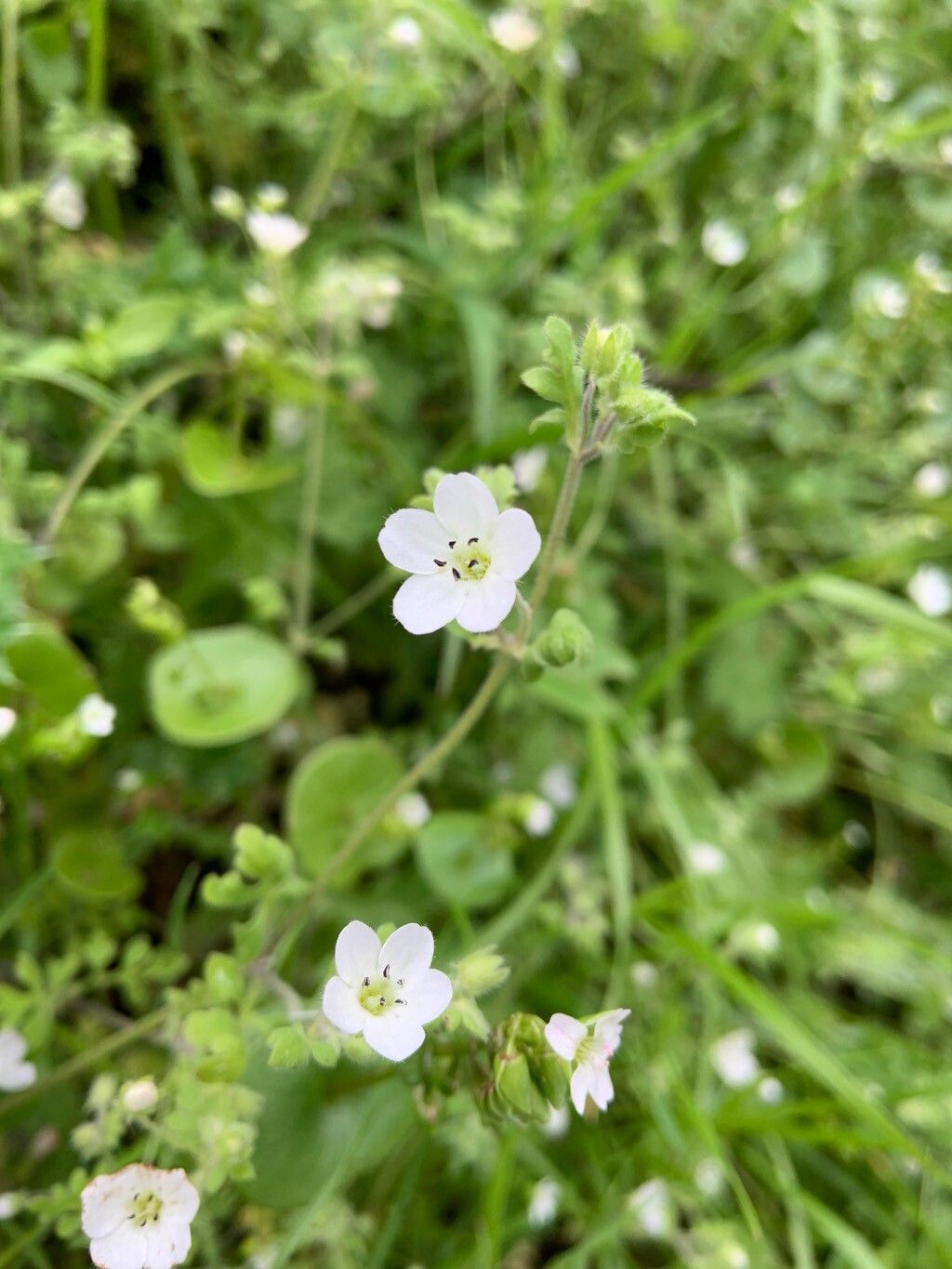
Eucrypta is a genus of two annual herbs in the family Boraginaceae (formerly placed in Hydrophyllaceae), native to the deserts and chaparral of south-western North America. Plants are slender and branching, 4-32 inches (10-80 cm) tall, with brittle, often glandular-hairy stems that carry a faint scent when bruised. The leaves are thin and pinnately lobed to deeply dissected, mostly clustered toward the base, 1-4 inches (2.5-10 cm) long. Small bell- to bowl-shaped flowers, 0.1-0.25 inch (3-6 mm) wide, open in loose coiled cymes and range from white with a yellow throat to pale lavender. Flowering follows winter rains, chiefly from March to June, and the whole plant completes its life cycle within a single season before summer drought. The seeds are of two kinds, smooth and wrinkled, a trait that spreads germination across years. E. chrysanthemifolia grows taller in shaded, moist sites among shrubs and after fire, while E. micrantha stays small in open desert flats. Plants are inconspicuous outside the brief flowering and fruiting period.
Native Range
Eucrypta is native to south-western North America, ranging across California, Arizona, and the deserts of Baja California and north-western Mexico.Suggested Uses
Grown in native and wildflower plantings, desert and dry-shade gardens, and seed mixes for post-fire restoration in its native range. Self-sowing fills gaps among shrubs and along paths. The dissected foliage and small flowers suit naturalistic rather than formal settings.How to Identify
Appearance
Size & Dimensions
Height4" - 2'8"
Width/Spread4" - 1'
Bloom Information
Flowering follows winter and early spring rains, chiefly March to June, and is heavier in years of good rainfall. The small flowers open in coiled cymes that unroll as successive buds mature. After flowering the plant sets seed and dies as soils dry in early summer.
Detailed Descriptions
Flower Description
white to pale lavender with yellow throatFoliage Description
greenGrowing Conditions
Sun Requirements
Requires 3-6 hours of direct sunlight daily
• Full Sun: 6+ hours of direct sunlight
• Partial Shade: 3-6 hours of direct sunlight
• Full Shade: Less than 3 hours of direct sunlight
Water & Climate
Water Needs
Drought Tolerance
Drought tolerant when established
Care & Maintenance
Care Guide
Sow seed in autumn or early spring in light, sandy or gravelly soil with sharp drainage, in full sun to part shade. The genus follows a winter-annual rhythm, germinating with cool-season moisture and flowering before summer heat. Water lightly to establish seedlings, then reduce as plants mature, since excess summer moisture causes collapse. Soil pH from about 6.0 to 7.5 suits the desert and chaparral substrates of the native range. In shaded sites plants grow taller and lankier than in open sun. No fertiliser is needed in mineral soils.Pruning
No pruning is required for this short-lived annual. Spent plants are pulled once seed has set if self-sowing is unwanted. Leaving the dried stems in place allows seed to drop for the following season.Container Growing
Suitable for container growing
Minimum container size: 1 gallons
Toxicity: Not assessed
UnknownPlanting Guide
Planting Methods & Timing
Planting Method
direct sow
Direct Sow Timing
autumn or early spring
Days to Maturity
60–120 days
Plant Spacing
6 inches
Companion Planting
Good Companions