Engelmannia, Genus, spp., Multiple species,
- Genus
- Multiple species
Overview
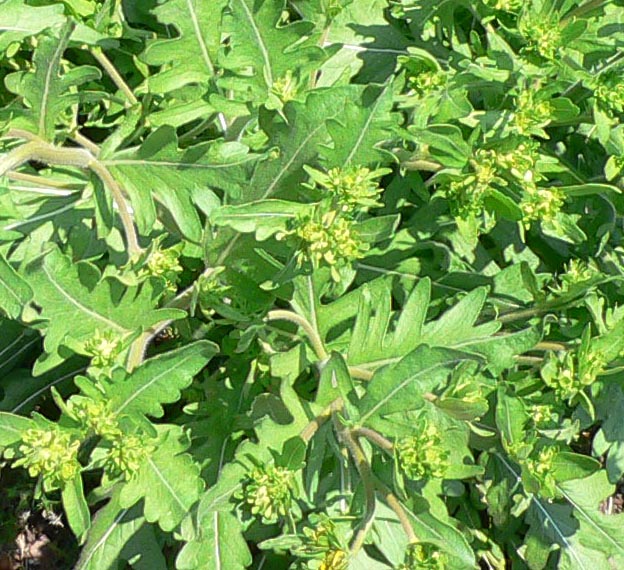
Engelmannia is a genus of the daisy family, Asteraceae, containing the single species E. peristenia, Engelmann's daisy, a taprooted perennial wildflower of the central grasslands of North America. Plants form upright, hairy clumps 1 to 3 ft (30 to 90 cm) tall from a stout, deep taproot that lets them withstand drought. The deeply pinnately lobed, rough-hairy leaves cluster mainly toward the base. From spring into summer, branched stems carry many yellow daisy flower heads about 1 to 1.5 in (2.5 to 4 cm) across, each with eight to ten notched ray florets around a yellow centre. The rays roll under in the heat of the afternoon and open again the next morning. The species grows on prairies, roadsides, and limestone soils from Texas and Oklahoma north to Kansas and Colorado and into northern Mexico. It is grown in dry-climate planting for its long bloom and deep drought tolerance, though the coarse, hairy foliage and tall, open habit can look weedy in formal beds.
Native Range
Native to the central and southern Great Plains and adjacent regions of North America, from Texas and Oklahoma north to Kansas and Colorado and south into northern Mexico, on prairies and limestone soils.Suggested Uses
Planted in prairie and meadow restorations, wildflower gardens, and dry, sunny borders, and used along roadsides and on slopes for erosion control. The long bloom supplies nectar to bees and butterflies. It mixes well with native grasses and other prairie perennials.How to Identify
Appearance
Size & Dimensions
Height1' - 3'
Width/Spread1' - 2'
Bloom Information
Detailed Descriptions
Foliage Description
Green, hairyGrowing Conditions
Sun Requirements
Requires 6-12 hours of direct sunlight daily
• Full Sun: 6+ hours of direct sunlight
• Partial Shade: 3-6 hours of direct sunlight
• Full Shade: Less than 3 hours of direct sunlight
