Image 1 of 5
1 / 5
Plant Reference
Elliottia, Genus, pyroliflora, Species,
- Genus & species
copperbush
Coastal British Columbia / SE Alaska (E. pyroliflora; copperbush; subalpine bogs/streambanks; extremely limited range; rarest N American ericaceous; copper-orange fall; suckering)
Overview
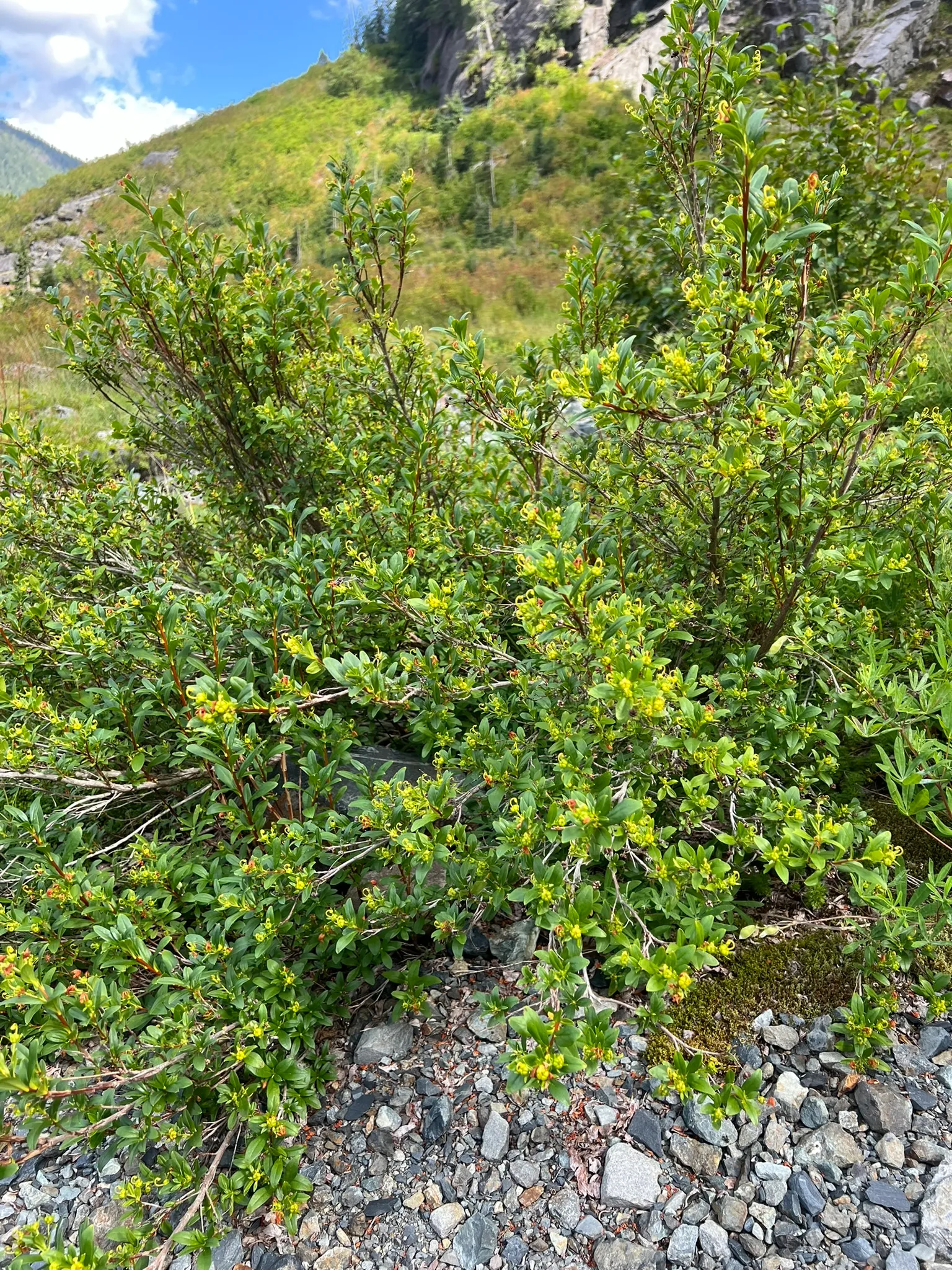
Elliottia pyroliflora is a deciduous shrub reaching 3-6 feet (0.9-1.8 m) tall with a spread of 3-5 feet (0.9-1.5 m) and an upright to rounded, suckering habit forming multi-stemmed colonies. Native to a very limited range in the Pacific Northwest—coastal British Columbia and adjacent Alaska—it is one of the rarest North American ericaceous shrubs. Leathery, elliptic, medium green leaves 1-3 inches (2.5-8 cm) long turn copper-orange to bronze-red in autumn (the source of the common name 'copperbush'). Nodding, cup-shaped, creamy white to pale pink flowers 0.3-0.5 inch (8-12 mm) in terminal racemes in midsummer. Grows in moist, acidic, subalpine bogs and streambanks. Hardy to zone 6. Growth rate is slow. Extremely difficult in cultivation—requires cool, moist, acidic conditions replicating its native subalpine bog habitat.
Native Range
Elliottia pyroliflora is native to a very limited range in coastal British Columbia and adjacent southeastern Alaska. One of the rarest native ericaceous shrubs in North America.Suggested Uses
Grown in woodland gardens, bog gardens, and specialist collections in cool, moist, acidic conditions. Copper-orange autumn color. Rare native ericaceous shrub. BC/Alaska endemic. Nodding creamy flowers. Botanical interest. Suckering colonies. Not suitable for normal garden conditions—requires subalpine bog habitat. Extremely difficult in cultivation. Rarely available. Not drought-tolerant.How to Identify
Appearance
Size & Dimensions
Height3' - 6'
Width/Spread3' - 5'
Bloom Information
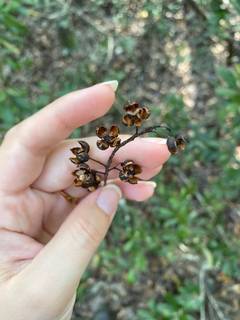
Nodding, cup-shaped, creamy white to pale pink flowers 0.3-0.5 inch (8-12 mm) in terminal racemes of 5-15 flowers in midsummer (July). Flowers resemble pyrola (wintergreen)—the species epithet pyroliflora means 'pyrola-flowered.' Fruit is a small dry capsule.
Detailed Descriptions
Flower Description
Creamy white to pale pink; nodding cup-shaped 0.3-0.5 inch; terminal racemes; midsummerFoliage Description
Medium green; leathery elliptic 1-3 inches; copper-orange to bronze-red autumnGrowing Conditions
Sun Requirements
Requires 3-6 hours of direct sunlight daily
• Full Sun: 6+ hours of direct sunlight
• Partial Shade: 3-6 hours of direct sunlight
• Full Shade: Less than 3 hours of direct sunlight