Eleocharis, Genus, ovata, Species,
- Genus & species
ovoid spikerush
Temperate North America; isolated populations in Eurasia
SunFull Sun – Part Shade
WaterHigh
Overview
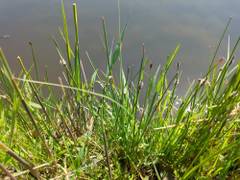
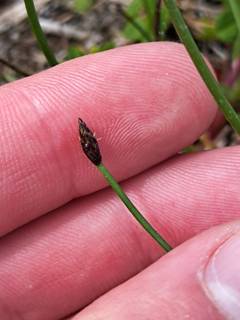
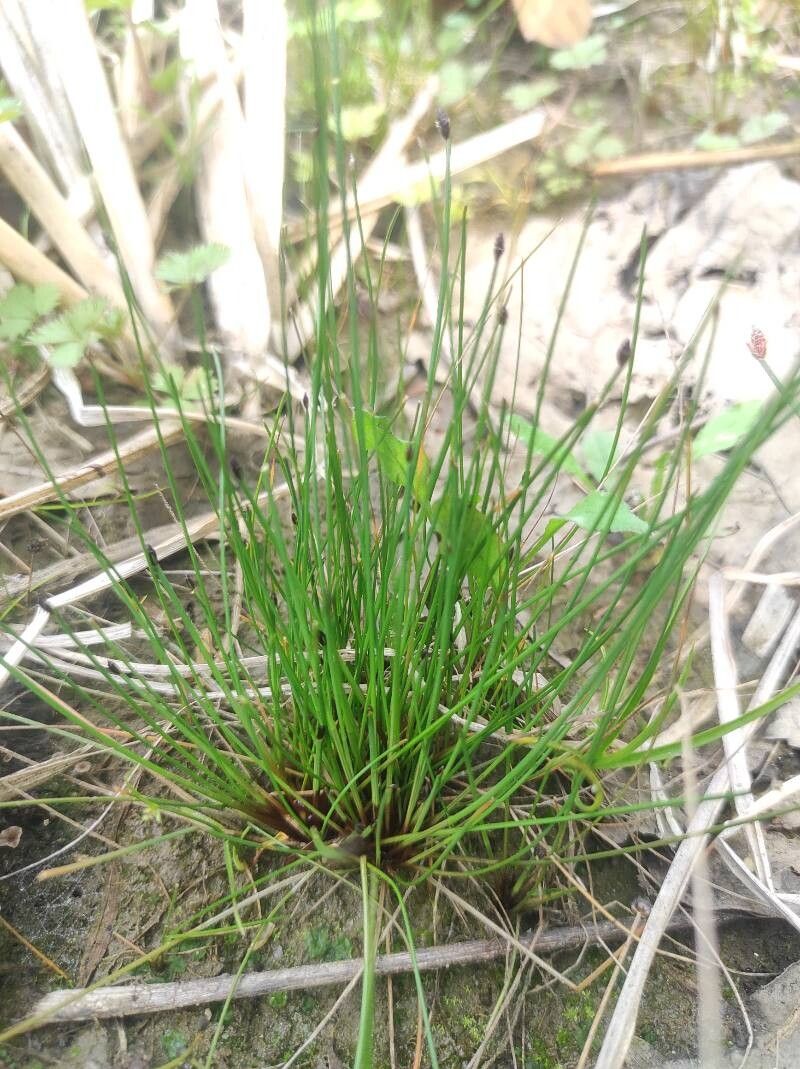
Eleocharis ovata is an annual herbaceous wetland spike-rush forming dense tufts of slender unbranched stems 4-12 inches (10-30 cm) tall. Plants lack visible leaves; photosynthetic tissue is in the round to slightly compressed stems 0.04-0.08 inch (1-2 mm) thick. Each stem terminates in a single small ovoid spikelet 0.15-0.4 inch (4-10 mm) long, with brown to dark brown overlapping scales surrounding tiny bisexual flowers. Bloom occurs from June through October across the range. Achenes are small, lens-shaped, brown, and persist on the stem after flowering. Plants self-seed prolifically on mud, wet sand, and the receding margins of seasonal pools; one season's seedbank can produce dense colonies the following year. Above-ground tissue dies back completely after first hard frost. Tolerates seasonal inundation in 1-4 inches (2.5-10 cm) of standing water as well as exposed mud margins as ponds dry.
Native Range
Native across temperate North America from Newfoundland and Quebec south to Florida, west to British Columbia and California, with isolated populations in Eurasia. Grows on seasonally exposed mud flats, pond and lake margins, ditches, tidal freshwater shores, and the margins of vernal pools at elevations from sea level to 7,000 feet (2,100 m). Found in pH 5.0-7.5 soils with high organic content from sedimentation.Suggested Uses
Used in seasonal wetland restorations, vernal pool plantings, and rain garden margins, sown at high density (50-100 seeds per square foot / 540-1,080 per square meter) on prepared mud sites. Functions as a pioneer species on bare wet ground, stabilizing surfaces before perennial wetland species establish. Compatible with Eleocharis palustris, Carex aquatilis, and Mimulus guttatus in seasonally flooded plantings.How to Identify
Appearance
Size & Dimensions
Height4" - 1'
Width/Spread4" - 8"
Bloom Information
Inflorescences develop June through October. Individual spikelets mature over 3-4 weeks; new flowering stems emerge throughout the growing season as long as soils remain moist. Achene shed begins in August in warm climates and continues until killing frost. Cool wet summers extend bloom by 4-6 weeks; drought ends production early.
Detailed Descriptions
Flower Description
brown to dark brownFoliage Description
green stems (no true leaves)Growing Conditions
Sun Requirements
Requires 4-9 hours of direct sunlight daily
• Full Sun: 6+ hours of direct sunlight
• Partial Shade: 3-6 hours of direct sunlight
• Full Shade: Less than 3 hours of direct sunlight
Care & Maintenance
Care Guide
Seeds are sown directly on damp mud or shallow standing water in spring; germination occurs within 1-3 weeks at temperatures above 60°F (16°C). Plants self-perpetuate through prolific seed production once established in suitable seasonal-wetland sites. Few pest or disease problems occur. Fertilization is not required; sediment-derived nutrients are typically sufficient. Hardy seed survives 5-10 years in soil seedbank, so colonies regenerate after dry years.Pruning
Pruning is not done; plants are annual and senesce naturally after frost. Spent material decomposes through winter and supports natural seedling establishment for the following year.Pruning Schedule
fall
Container Growing
Suitable for container growing
Minimum container size: 2 gallons
Toxicity
Non-toxicPlanting Guide
Planting Methods & Timing
Planting Method
direct sow
Direct Sow Timing
spring on damp mud or shallow standing water
Days to Maturity
30–60 days
Plant Spacing
2 inches
Companion Planting
Good Companions