Doodia, Genus, spp., Multiple species,
- Genus
- Multiple species
rasp fern
Australasia and the southwestern Pacific
Overview
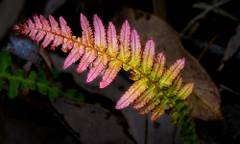
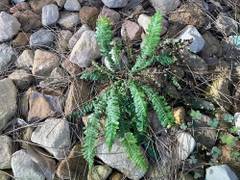
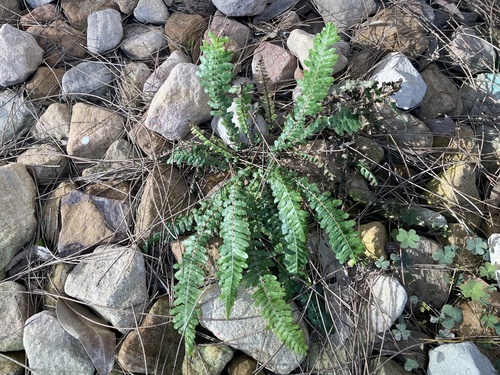
Doodia is a genus of small terrestrial ferns in the family Blechnaceae, known as rasp ferns for the rough, harsh texture of their fronds. About a dozen species are native to Australia, New Zealand, New Caledonia, and the southwestern Pacific, with a few reaching Southeast Asia and Hawaii. Plants form low clumps 15-50 cm (6-20 in) tall from short creeping or erect rhizomes. The once-pinnate fronds are stiff and narrow, 10-45 cm (4-18 in) long, with toothed leaflets set in a ladder pattern; emerging fronds are flushed pink to bronze-red before hardening to dark green. Spore-bearing sori form in one or two rows of short lines parallel to the midrib on the underside of fertile fronds. Some botanists now place Doodia within Blechnum, though the name stays in wide horticultural use. The genus grows in open forest, on rocky banks, and on disturbed ground, often in full sun where many ferns would scorch. In gardens it is grown as a groundcover and edging fern, and the shallow rhizomes make divisions quick to establish.
Native Range
Native to Australia, New Zealand, New Caledonia, and islands of the southwestern Pacific, with outlying species in Southeast Asia and Hawaii. Plants grow in open eucalypt forest, on rocky slopes, along streambanks, and on roadside cuttings.Suggested Uses
Used as a low groundcover, path edging, and filler among shrubs in shaded to part-sun borders. Suited to rockeries, courtyard gardens, and containers, and grown as an understorey fern in native and woodland plantings.How to Identify
Appearance
Size & Dimensions
Height6" - 1'8"
Width/Spread8" - 2'
Bloom Information
Ferns do not flower. Doodia reproduces by spores released from linear sori on the undersides of fertile fronds, mainly through the warmer months. Flushes of pink-tinted new fronds appear in spring and after rain.
Detailed Descriptions
Foliage Description
dark green with pink to red new frondsGrowing Conditions
Sun Requirements
Requires 3-8 hours of direct sunlight daily
• Full Sun: 6+ hours of direct sunlight
• Partial Shade: 3-6 hours of direct sunlight
• Full Shade: Less than 3 hours of direct sunlight
Care & Maintenance
Care Guide
Grows in full sun to part shade in moist, free-draining soil rich in organic matter, and takes more sun than most ferns once established. Steady moisture keeps fronds in good condition, though settled clumps withstand brief dry periods. The genus is hardy to light frost, with foliage damaged below about -5 C (23 F). Clumps spread slowly by rhizome and are divided in spring for propagation. Spent or frost-burned fronds are cut at the base to make room for new growth.Pruning
Old, damaged, or frost-burned fronds are cut back to the crown in late winter or early spring before new fronds unfurl. No other routine pruning is needed. Removing tired outer fronds keeps clumps compact.Pruning Schedule
Prune: March
early spring
Container Growing
Suitable for container growing
Minimum container size: 2 gallons