Doellingeria, Genus, spp., Multiple species,
- Genus
- Multiple species
flat-topped white aster
Eastern North America (and East Asia)
Overview
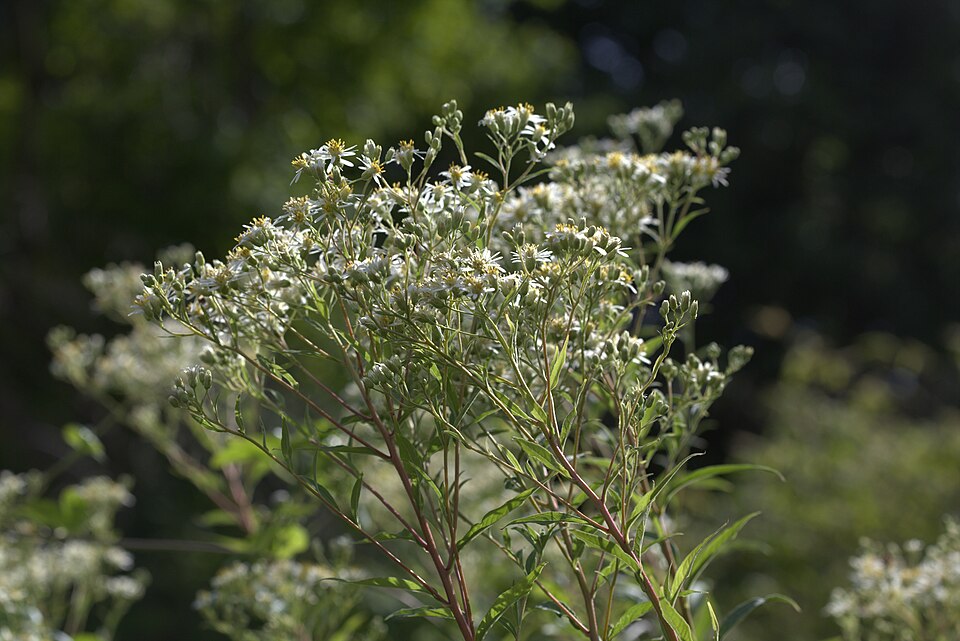
Doellingeria is a genus of about three species of rhizomatous perennials in the daisy family (Asteraceae), native to eastern North America, with one species extending to East Asia. Plants form upright, leafy stems 2-7 feet (0.6-2.1 m) tall from creeping rhizomes, with alternate, lance-shaped to elliptic leaves that taper at both ends. In late summer and autumn the stems are topped by broad, flat or dome-shaped clusters (corymbs) of small daisy flower heads, each with white rays around a pale yellow centre that ages to purplish. D. umbellata, flat-topped white aster, grows in moist meadows, thickets, and streambanks across much of eastern North America. Plants spread by rhizome into colonies and tolerate moist to wet soils. The flat-topped flower clusters draw many late-season insects. In dry sites the lower leaves brown and the plants flower less.
Native Range
Doellingeria is native chiefly to eastern North America, from Canada south through the eastern and central United States, with one species in East Asia. Plants grow in moist meadows, fens, thickets, clearings, and streambanks.Suggested Uses
Grown in rain gardens, moist meadows, pond and stream margins, and naturalistic and pollinator plantings for late-season white flowers. It combines with goldenrods, Joe-Pye weeds, and other moisture-loving perennials.How to Identify
Appearance
Size & Dimensions
Height2' - 7'
Width/Spread1' - 3'
Bloom Information
Flowering occurs in late summer and early autumn, usually July to September, when flat-topped clusters of small white daisy heads open at the stem tips. The bloom comes late in the season alongside goldenrods and other asters. Fluffy wind-borne seed heads follow.
Detailed Descriptions
Flower Description
white with pale yellow centerFoliage Description
greenGrowing Conditions
Sun Requirements
Requires 4-8 hours of direct sunlight daily
• Full Sun: 6+ hours of direct sunlight
• Partial Shade: 3-6 hours of direct sunlight
• Full Shade: Less than 3 hours of direct sunlight
Care & Maintenance
Care Guide
Doellingeria grows in full sun to part shade in moist to wet, average to humus-rich soil, matching its meadow and streambank habitats. Plants tolerate seasonal flooding and clay but flower less and drop lower leaves where soil stays dry. The rhizomes spread into colonies, which suits naturalising but can crowd smaller plants in borders. Tall stems may lean in rich soil or shade and can be cut back early in the season for a bushier, self-supporting habit. The genus is cold-hardy through about USDA zones 3 to 8. Little feeding is needed in reasonable soil.Pruning
Stems can be cut back by about a third in early summer to reduce height and limit flopping, at the cost of slightly later bloom. Spent stems are cut to the ground in late autumn or left over winter for wildlife. Rhizomes are dug at the edges to contain spread.Pruning Schedule
Prune: June & November
summerfall