Diplotaxis, Genus, spp., Multiple species,
- Genus
- Multiple species
Wall-rockets
Europe, Mediterranean, North Africa, western Asia
Overview
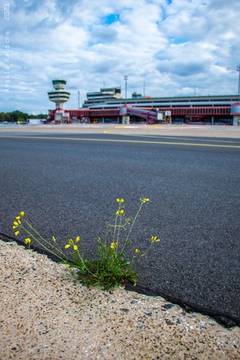
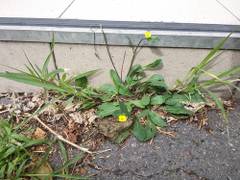
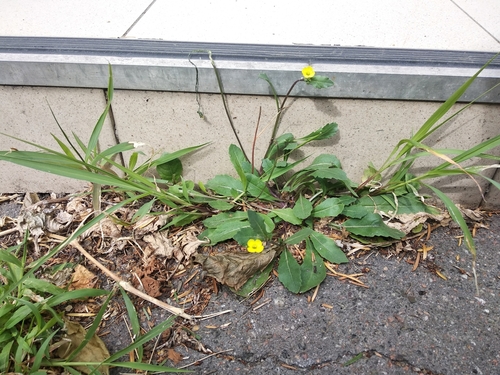
Diplotaxis is a genus of about 30 species of annual and perennial herbs in the family Brassicaceae, native to Europe, the Mediterranean, North Africa, and western Asia. Plants grow 8 in to 3 ft (20-90 cm) tall, forming basal rosettes of pinnately lobed, often toothed leaves with a peppery scent and taste. The four-petaled flowers are usually yellow, sometimes white or pale violet, 0.3-0.6 in (8-15 mm) across, borne in loose clusters that lengthen as the slender seed pods form. D. tenuifolia, perennial wall-rocket, and D. muralis, annual wall-rocket, are grown as the salad green sold as wild rocket or arugula, with a sharper flavor than Eruca arugula. Several species colonize walls, roadsides, railway ballast, and disturbed ground, and some have naturalized far outside their native range. Plants flower over a long season and self-seed freely. The peppery leaves turn more pungent and bitter as plants bolt and flower in heat.
Native Range
Diplotaxis is native to Europe, the Mediterranean basin, North Africa, and western and central Asia. The greatest diversity is around the Mediterranean. Several species have naturalized in North America, Australia, and other temperate regions as weeds of disturbed ground.Suggested Uses
Grown in vegetable and herb gardens as a peppery salad and cooking green, and in containers for cut-and-come-again harvests. The flowers draw bees and hoverflies in pollinator plantings. Tolerant of poor soil, the plants fill dry, sunny gaps where richer crops struggle.How to Identify
Appearance
Size & Dimensions
Height8" - 3'
Width/Spread8" - 1'6"
Bloom Information
Flowering runs over a long period from spring through autumn, generally April to October, and nearly year-round in mild climates. Plants bloom and set seed continuously through the warm season. Bees and other small insects visit the flowers.
Detailed Descriptions
Flower Description
yellow, sometimes white or pale violetFoliage Description
greenGrowing Conditions
Sun Requirements
Requires 6-12 hours of direct sunlight daily
• Full Sun: 6+ hours of direct sunlight
• Partial Shade: 3-6 hours of direct sunlight
• Full Shade: Less than 3 hours of direct sunlight
Care & Maintenance
Care Guide
Plants grow in full sun and well-drained soil of low to moderate fertility with a pH near 6.0 to 7.5, and tolerate poor, dry, and stony ground. Seed is sown in spring or autumn, and leaves are harvested young before flowering, when the flavor is mildest. Hot, dry conditions cause rapid bolting and stronger, more bitter foliage. Plants withstand drought once established and need little feeding. Self-sown seedlings appear readily in open soil.Pruning
Repeated cutting of young leaves delays bolting and extends the harvest. Flower stems are removed to slow self-seeding where the plant is not wanted as a reseeder. Perennial species are sheared back after flowering to renew fresh basal growth.Container Growing
Suitable for container growing
Minimum container size: 2 gallons
Toxicity
Non-toxicPlanting Guide
Planting Methods & Timing
Planting Method
direct sow
Days to Maturity
40–60 days
Plant Spacing
6 inches