Diphasiastrum, Genus, spp., Multiple species,
- Genus
- Multiple species
ground cedars
Northern hemisphere temperate and boreal regions
Overview
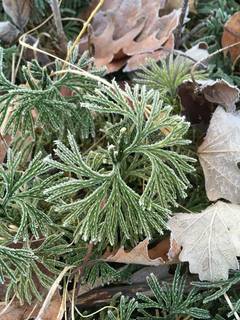
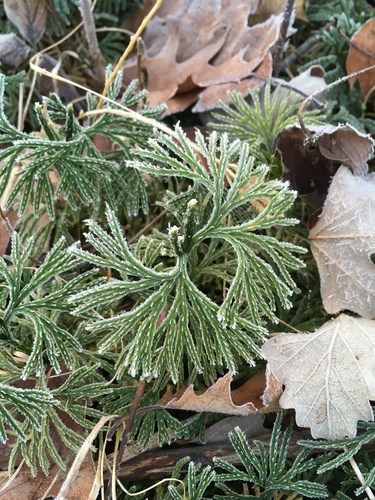
Diphasiastrum is a genus of about 20 evergreen clubmosses in the family Lycopodiaceae, spore-bearing vascular plants of cool temperate, boreal, and mountain regions across the northern hemisphere and beyond. Known as ground cedars or running pines, plants creep along or just below the ground by long horizontal stems, sending up flattened, branched upright shoots 4-12 inches (10-30 cm) tall that resemble miniature cedar sprays. The tiny scale-like leaves are pressed against the stems in ranks, giving the branchlets a flattened, blue-green look. Instead of flowers or seeds, plants reproduce by spores released from slender, candle-like cones, or strobili, held on stalks above the foliage in late summer. Diphasiastrum grows in acidic, nutrient-poor soils of open woods, heaths, and clearings and depends on soil fungi through a long, slow life cycle. This fungal dependence and slow growth make the genus very hard to transplant or cultivate, so wild colonies are easily lost to disturbance.
Native Range
Cool temperate, boreal, and montane regions of the northern hemisphere, including North America, Europe, and Asia, with some species in tropical mountains, growing in acidic woodland, heath, and clearings.Suggested Uses
Diphasiastrum is encountered chiefly as a wild ground cover in acidic woods and heaths and in native plant and botanical collections rather than in general gardens. Historically the dried plants and spores were gathered for greenery and for lycopodium powder, a practice now limited by the slow recovery of wild colonies. Its presence is used as an indicator of undisturbed, acidic habitat.How to Identify
Appearance
Size & Dimensions
Height4" - 1'
Width/Spread1' - 3'
Bloom Information
Clubmosses do not flower. Diphasiastrum reproduces by spores shed from upright, candle-like cones, or strobili, that ripen in late summer and early autumn. Spores germinate into tiny underground structures that grow slowly with the help of soil fungi, and new plants may take years to appear. Established colonies also spread by their creeping stems.
Detailed Descriptions
Foliage Description
Blue-green to greenGrowing Conditions
Sun Requirements
Requires 2-5 hours of direct sunlight daily
• Full Sun: 6+ hours of direct sunlight
• Partial Shade: 3-6 hours of direct sunlight
• Full Shade: Less than 3 hours of direct sunlight