Dicksonia, Genus, spp., Multiple species,
- Genus
- Multiple species
Overview
Dicksonia is a genus of about 20 to 25 tree ferns in the family Dicksoniaceae, native to the Southern Hemisphere and tropics, including Australia, New Zealand, New Guinea, South-East Asia, Central and South America, and St Helena. They form a stout, fibrous trunk, actually an upright rhizome wrapped in old leaf bases and roots, topped by a spreading crown of large, divided fronds 3-12 feet (0.9-3.7 m) long. Trunks build slowly, a few inches a year, and can reach 15-50 feet (4.5-15 m) over many decades. The soft tree fern D. antarctica of south-eastern Australia is the most cold-tolerant species and the one most often grown in temperate gardens. Like all ferns they bear no flowers, reproducing by spores carried in small cup-shaped structures along the frond margins. They grow in cool, moist, shaded forest, gullies, and stream banks and depend on constant humidity and moisture, with the fibrous trunk needing regular wetting in dry weather. Frost damages the fronds, and only a few species tolerate light freezing. They are grown as living architecture in shaded, sheltered, humid gardens, and the trunks of some species are cut and re-rooted when transplanted.
Native Range
Native to the Southern Hemisphere and tropics, including south-eastern Australia, Tasmania, New Zealand, New Guinea, South-East Asia, Central and South America, and the island of St Helena, in cool, moist montane and temperate forests.Suggested Uses
Grown as specimen and structural plants in shaded, sheltered, humid gardens, fern gullies, courtyards, and conservatories. The trunks suit damp woodland and shaded urban courtyards, and severed trunks of some species can be re-rooted to establish new plants.How to Identify
Appearance
Size & Dimensions
Height10' - 50'
Width/Spread8' - 15'
Bloom Information
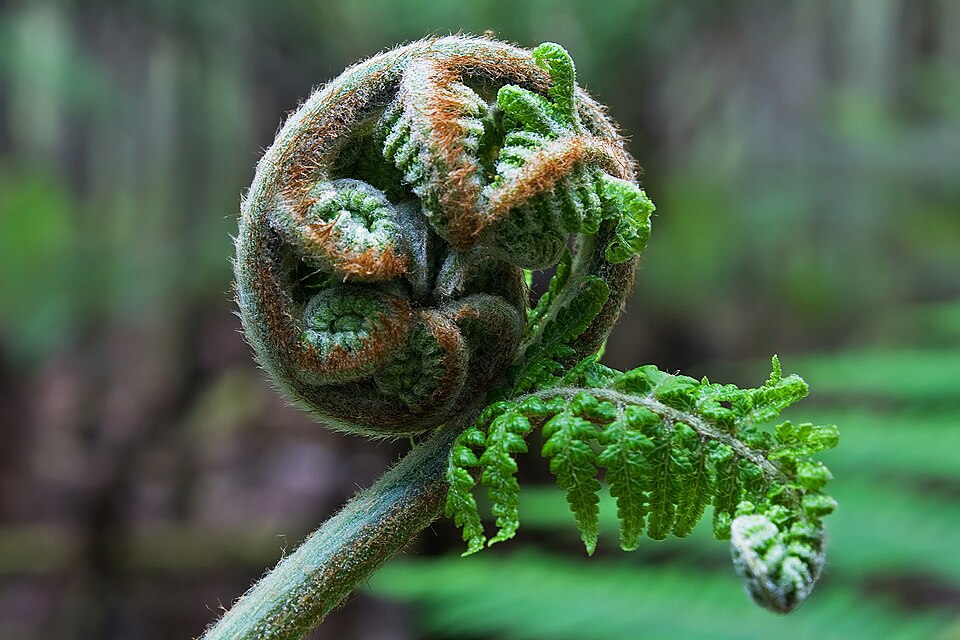
As ferns, Dicksonia do not flower and reproduce by spores. Spores ripen in marginal cup-shaped structures on mature fronds, mainly through the warmer months. New fronds unfurl from the crown in spring and through the growing season.
Detailed Descriptions
Foliage Description
greenGrowing Conditions
Sun Requirements
Tolerates up to 4 hours of direct sunlight daily
• Full Sun: 6+ hours of direct sunlight
• Partial Shade: 3-6 hours of direct sunlight
• Full Shade: Less than 3 hours of direct sunlight
Care & Maintenance
Care Guide
Grow in partial to full shade in moist, humus-rich, well-drained but never dry soil with an acidic pH of 4.5-6.5, sheltered from wind and strong sun. The fibrous trunk must be kept damp, and watering over the trunk and crown in dry weather is needed alongside watering at the roots. Plants are hardy only in mild climates, roughly USDA zones 8-11 for the hardiest species, and the crown of D. antarctica is wrapped or mulched where light frost occurs. Growth is slow, with trunks gaining only a few inches a year. Feeding lightly in the growing season supports the fronds. Cold, dry wind and prolonged drought are the main causes of failure.Pruning
Old, dead, or frost-damaged fronds are cut off close to the trunk to keep the crown tidy and show the trunk. Live healthy fronds are left in place, as the plant relies on them. Pruning is limited to spent fronds, usually in spring.Pruning Schedule
Prune: March–April
early spring
Container Growing
Suitable for container growing
Minimum container size: 15 gallons