Deparia, Genus, spp., Multiple species,
- Genus
- Multiple species
Eastern and southern Asia and North America
Overview
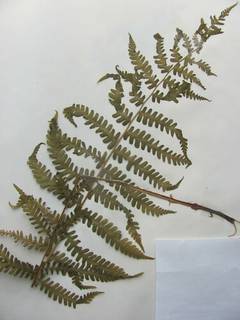
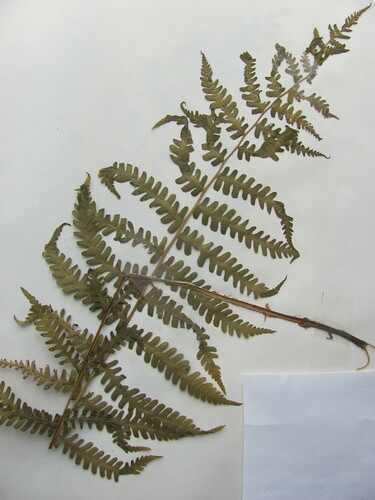
Deparia is a genus of about 50 ferns in the lady-fern family (Athyriaceae), found mainly in eastern and southern Asia with a few species in North America, Africa, and the Pacific. They grow from creeping to short-creeping rhizomes that form loose clumps or open colonies in moist, shaded ground. The fronds are once- to twice-divided, soft-textured, and 1-3 feet (30-90 cm) long, typically a fresh light green, with hairs or small scales along the stalk and midribs. The North American silvery glade fern D. acrostichoides is named for the narrow, silvery covering over its developing spore clusters, which line the undersides of the upper leaflets. Spores rather than flowers carry reproduction, ripening in summer. These ferns occupy damp woodland, stream banks, ravines, and seepage slopes, and depend on consistent soil moisture; they brown at the edges and die back early in dry summers or exposed sites. Most temperate species are deciduous, dying down in winter and unfurling fresh fronds in spring. They are grown in shade and woodland gardens for soft foliage texture, spreading slowly to fill moist, sheltered ground.
Native Range
Native mainly to eastern and southern Asia, with several species in North America and others in Africa and the Pacific, growing in moist woodland, ravines, and along streams. The silvery glade fern is native to eastern North America.Suggested Uses
Grown in shade gardens, woodland borders, and damp, sheltered spots for soft fern texture and slow groundcover. The fronds suit plantings beside streams, ponds, and in moist ravines alongside other shade-loving plants.How to Identify
Appearance
Size & Dimensions
Height1' - 3'
Width/Spread1' - 2'
Bloom Information
As ferns, Deparia do not flower and reproduce by spores. The spore clusters mature on the frond undersides through summer. Fresh fronds unfurl in spring, and temperate species die back after the first autumn frosts.
Detailed Descriptions
Foliage Description
light greenGrowing Conditions
Sun Requirements
Tolerates up to 4 hours of direct sunlight daily
• Full Sun: 6+ hours of direct sunlight
• Partial Shade: 3-6 hours of direct sunlight
• Full Shade: Less than 3 hours of direct sunlight
Care & Maintenance
Care Guide
Grow in partial to full shade in moist, humus-rich, well-drained soil with a pH of 5.0-7.0. Consistent soil moisture is needed, as the fronds brown and die back early in dry or exposed positions. A mulch of leaf litter keeps the roots cool and damp and feeds the spreading rhizomes. Temperate species are hardy to about USDA zone 4 and need no winter protection once dormant. They spread slowly into open colonies and are easy to divide in spring. No supplementary fertiliser is needed on rich woodland soil.Pruning
Old, withered fronds are removed in late winter before the new ones unfurl. Damaged or browned fronds can be cut away during the season to keep the clump tidy. No other pruning is required.Pruning Schedule
Prune: February–March
winterearly spring
Container Growing
Suitable for container growing
Minimum container size: 2 gallons