Dendrolycopodium, Genus, spp., Multiple species,
- Genus
- Multiple species
Tree clubmosses
Overview
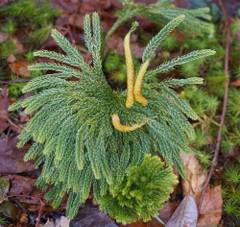
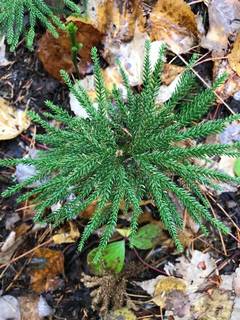
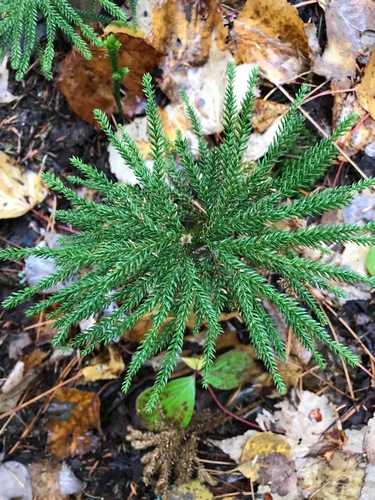
Dendrolycopodium is a small genus of evergreen clubmosses in the family Lycopodiaceae, comprising about three to four species native to the temperate forests of North America and eastern Asia. These are seedless, spore-bearing vascular plants rather than flowering plants. Erect aerial shoots rise 4–12 inches (10–30 cm) from slender horizontal stems that run along or just beneath the surface of the forest floor. Each upright shoot branches near the top into a flattened, tree-like crown of small, scale-shaped leaves, giving the plant the look of a miniature conifer and the common name tree-clubmoss. The leaves are firm, narrow, and deep green, and persist through winter. Reproduction is by spores released from cone-like structures called strobili, which stand at the tips of the shoots in late summer and autumn; spores germinate slowly and the plants also spread clonally along their rhizomes. The genus was formerly placed within Lycopodium, and older references list these species under that name. Plants grow in acidic, humus-rich soils of cool coniferous and mixed woodland, often in dappled shade. They establish slowly and are intolerant of disturbance, which makes them hard to transplant and rarely available in cultivation. Spread is gradual, with colonies expanding over many years from creeping underground stems.
Native Range
Dendrolycopodium is native to North America and eastern Asia, where it grows on the floor of cool temperate coniferous and mixed forests. In North America it ranges across the northeastern and Great Lakes regions and into the boreal zone.Suggested Uses
Dendrolycopodium is grown only rarely, in woodland and native-plant gardens that can match its acidic, shaded, undisturbed conditions. In the wild it forms part of the ground layer of coniferous and mixed forest. The dried shoots have historically been gathered for greenery and, like other clubmosses, for their flammable spores.How to Identify
Appearance
Size & Dimensions
Height4" - 1'
Width/Spread6" - 2'
Bloom Information
Dendrolycopodium produces no flowers; it reproduces by spores rather than seed. Cone-like strobili form at the tips of the upright shoots and release yellow spores in late summer and autumn. Spore production varies from year to year, and many shoots remain sterile in a given season.
Detailed Descriptions
Foliage Description
Deep greenGrowing Conditions
Sun Requirements
Tolerates up to 4 hours of direct sunlight daily
• Full Sun: 6+ hours of direct sunlight
• Partial Shade: 3-6 hours of direct sunlight
• Full Shade: Less than 3 hours of direct sunlight