Overview
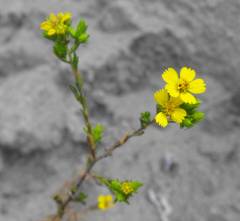
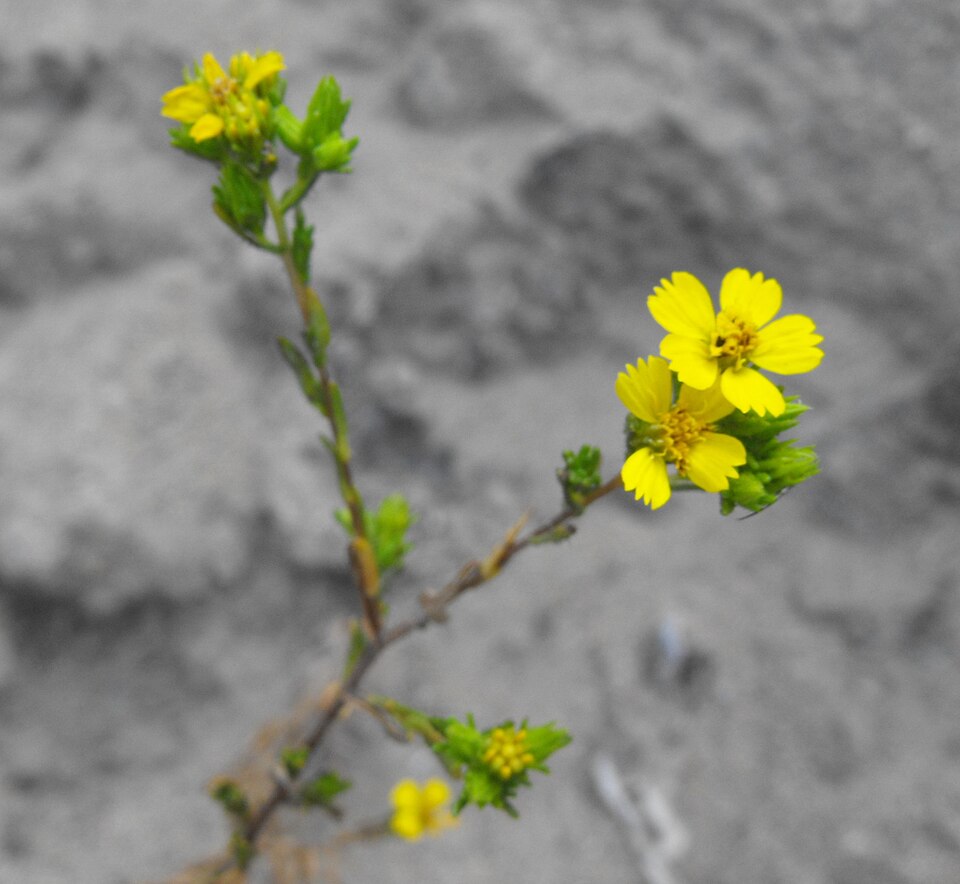
Deinandra is a genus of about 20 species of aromatic, glandular herbs in the daisy family (Asteraceae), native to western North America and centred in California, with several species reaching Baja California and offshore islands. Most are annuals that germinate with winter rains and flower as the surrounding grassland dries; a few are short-lived perennials. Plants form branched, leafy stems mostly 4-40 inches (10-100 cm) tall, coated in sticky, resin-scented glands that give the group its common names tarweed and tarplant. The lower leaves are narrow and often toothed or lobed, while the upper stem carries small daisy-like flower heads with yellow rays and yellow disks, each head usually under 0.5 inch (12 mm) across. Flowering runs from late spring through autumn, later than most annual wildflowers, so the plants supply nectar and pollen to native bees and butterflies after other sources have faded. The sticky foliage has a strong resinous smell and can deter grazing. Several species are restricted to serpentine soils, coastal bluffs, or single islands and have narrow ranges of conservation concern. As weedy-looking late-season annuals they are grown mainly in native and pollinator plantings rather than as formal ornamentals.
Native Range
Native to western North America, concentrated in California and extending into Oregon, Nevada, Arizona, Baja California, and the Channel Islands, in grassland, chaparral, coastal scrub, and serpentine soils.Suggested Uses
Sown in native wildflower meadows, pollinator gardens, and restoration plantings for late-season nectar on dry sites. Compact species suit gravel gardens and dry banks where summer water is withheld.How to Identify
Appearance
Size & Dimensions
Height4" - 3'4"
Width/Spread6" - 2'
Colors
Bloom Information
Detailed Descriptions
Foliage Description
green to grey-greenGrowing Conditions
Sun Requirements
Requires 6-12 hours of direct sunlight daily
• Full Sun: 6+ hours of direct sunlight
• Partial Shade: 3-6 hours of direct sunlight
• Full Shade: Less than 3 hours of direct sunlight
Water & Climate
Water Needs
Drought Tolerance
Drought tolerant when established
Care & Maintenance
Care Guide
Grow in full sun and dry, free-draining soil; many species tolerate poor, sandy, clay, or serpentine ground with a pH around 6.0-7.5. As dry-season annuals they need little or no summer water once seedlings establish and rot in rich, wet soil. Seed is sown directly in autumn or winter to follow natural rainfall, and plants self-sow where bare soil remains. No fertiliser is required on lean native soils. The sticky foliage collects dust and litter through the season. Plants complete their life cycle in a single year and are replaced from self-sown or resown seed.Pruning
No pruning is needed for these annuals. Spent plants can be pulled or cut once seed has shed, leaving some standing to self-sow. Cutting back midseason is not practised, as flowering and seed set continue late into the year.Container Growing
Suitable for container growing
Minimum container size: 1 gallons
Toxicity: Not assessed
UnknownPlanting Guide
Planting Methods & Timing
Planting Method
direct sow
Direct Sow Timing
Autumn to winter, with the onset of seasonal rains
Plant Spacing
8 inches