Cyrilla, Genus, spp., Multiple species,
- Genus
- Multiple species
titi
Southeastern United States to northern South America
Overview
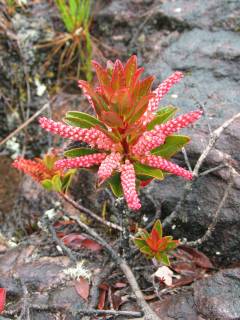
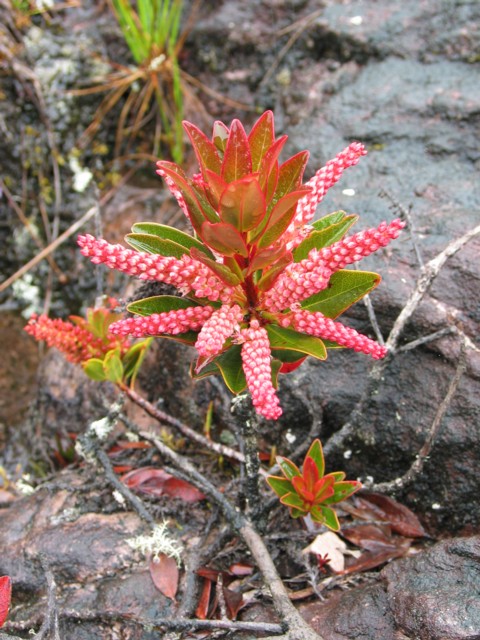
Cyrilla is a genus in the family Cyrillaceae, usually treated as the single variable species C. racemiflora, known as titi or swamp leatherwood. It is a shrub or small tree 6-25 feet (1.8-7.6 m) tall, sometimes larger in the tropics, with a suckering, often multi-stemmed habit and a rounded crown. The glossy, leathery, oblong leaves 1.5-4 inches (4-10 cm) long are clustered toward the branch tips; they are tardily deciduous, often turning orange and red before falling, and may persist through winter in mild climates. In early to midsummer numerous slender drooping racemes 3-6 inches (8-15 cm) long emerge in whorls at the base of the season's growth, densely set with small fragrant white to cream five-petalled flowers. These ripen into tiny dry yellowish fruits. Cyrilla grows along the margins of swamps, ponds, and wet pine flatwoods on acidic, sandy, peaty soils, spreading into thickets by root suckers and tolerating periodic flooding. The summer flowers are a nectar source for many bees. The genus ranges across a wide span of latitudes, from temperate southeastern North America to tropical South America, but requires moist to wet acid soil and full sun to part shade.
Native Range
Cyrilla is native to the southeastern United States, the Caribbean, Mexico, Central America, and northern South America. It grows along wetland margins on the coastal plain and in tropical lowlands. The genus ranges across a wide band of latitudes for an American woody plant.Suggested Uses
Cyrilla is used in rain gardens, pond and stream margins, and naturalistic plantings on acidic, wet soils, and as an informal screen or thicket. The summer flowers and autumn leaf colour give two seasons of interest, and the blooms are a nectar source for bees. The suckering habit suits naturalised wetland edges rather than tidy formal beds.How to Identify
Appearance
Size & Dimensions
Height6' - 25'
Width/Spread6' - 15'
Bloom Information
Cyrilla flowers in early to midsummer, generally June to July in the southeastern United States, with the drooping white racemes lasting several weeks. Flowering follows the new spring growth. Small dry fruits ripen in late summer and autumn and may persist into winter.
Detailed Descriptions
Flower Description
white to creamFoliage Description
greenGrowing Conditions
Sun Requirements
Requires 4-12 hours of direct sunlight daily
• Full Sun: 6+ hours of direct sunlight
• Partial Shade: 3-6 hours of direct sunlight
• Full Shade: Less than 3 hours of direct sunlight