Cynanchica, Genus, spp., Multiple species,
- Genus
- Multiple species
squinancywort
Europe, Mediterranean, and western Asia
Overview
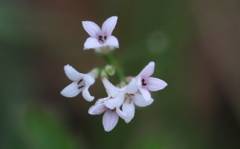
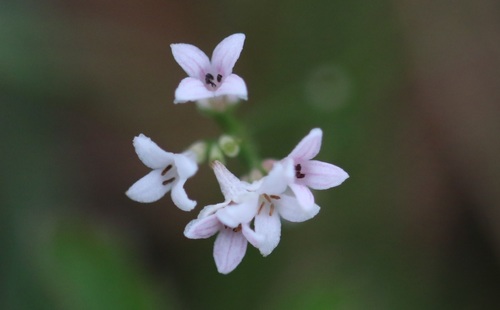
Cynanchica is a genus of low-growing perennial herbs in the madder family (Rubiaceae), segregated from Asperula and containing roughly thirty species native to Europe, the Mediterranean basin, and western Asia. Plants form slender, wiry, often sprawling stems 2-16 inches (5-40 cm) long arising from a woody rootstock, with narrow needle- to lance-shaped leaves arranged in whorls of four at each node, a feature shared across much of the family. From early to late summer the stems carry loose terminal clusters of small funnel-shaped four-lobed flowers about 0.1-0.2 inch (3-4 mm) across, ranging from white to pale or deeper pink, sometimes flushed darker outside. The flowers are followed by small dry two-part fruits. Several species, including the squinancywort C. cynanchica, grow on thin, dry, lime-rich grassland and rocky slopes, where the wiry mats knit among other low herbs. The genus is adapted to nutrient-poor calcareous soils and open, sunny positions, tolerating drought once established but competing poorly on rich or shaded ground. Most species have little bulk and are encountered chiefly in semi-natural grassland and rock gardens rather than as border plants. The roots of some species have a history of use as a source of red dye.
Native Range
Cynanchica is native to Europe, the Mediterranean region, and western Asia, extending from the British Isles and Iberia across central and southern Europe to the Caucasus and Iran. Several species are characteristic of calcareous grassland and rocky habitats.Suggested Uses
Cynanchica is used in rock gardens, gravel gardens, troughs, and calcareous meadow and grassland plantings. The low wiry mats suit lean, sunny, free-draining sites and knit among other small grassland plants. Several species support small pollinating insects during the summer flowering period.How to Identify
Appearance
Size & Dimensions
Height2" - 1'4"
Width/Spread6" - 1'4"
Bloom Information
Cynanchica flowers through summer, generally June to August, with the small clustered flowers opening over several weeks. In warm, dry sites flowering may begin earlier and continue into early autumn. Dry fruits ripen and shed from late summer onward.
Detailed Descriptions
Flower Description
white to pinkFoliage Description
greenGrowing Conditions
Sun Requirements
Requires 6-12 hours of direct sunlight daily
• Full Sun: 6+ hours of direct sunlight
• Partial Shade: 3-6 hours of direct sunlight
• Full Shade: Less than 3 hours of direct sunlight
Care & Maintenance
Care Guide
Cynanchica grows in full sun on thin, dry, free-draining alkaline soils such as chalk and limestone grassland, and tolerates poor, stony ground. Established plants are drought-tolerant and need no feeding, performing on lean soils where richer conditions would favour coarser competitors. Sharp drainage matters more than fertility, and waterlogged or heavy soils cause rot. The wiry mats spread slowly from the rootstock and self-seed in open gaps. No serious pests or diseases affect the genus. In cultivation the plants suit rock gardens, troughs, and gravel plantings rather than fertile borders.Pruning
No pruning is required. The thin stems can be trimmed back after flowering to tidy the mats and limit self-seeding. Old growth dies back over winter and is replaced from the rootstock in spring.Container Growing
Suitable for container growing
Minimum container size: 1 gallons