Cycnogeton, Genus, spp., Multiple species,
- Genus
- Multiple species
water ribbons
Overview
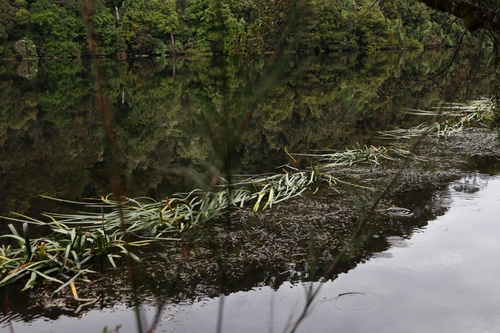
Cycnogeton is a genus of aquatic perennial herbs in the arrowgrass family (Juncaginaceae), comprising roughly five to twelve species native to Australia. Plants grow from short rhizomes and clusters of fleshy tubers anchored in mud, sending up tufts of strap-shaped to cylindrical leaves 8-60 inches (20-150 cm) long that either float on the surface or stand emergent above shallow fresh water. The leaves are spongy and air-filled, an adaptation to submerged growth. Flowering stems rise above the water bearing dense, spike-like clusters of small greenish to purplish flowers, each about 0.08 inch (2 mm) across and wind-pollinated. These ripen into clusters of beaked fruitlets that separate when mature and disperse on water. Cycnogeton species occupy still and slow-flowing freshwater habitats including swamps, billabongs, lake margins, and streams, often tolerating seasonal drawdown by retreating to their tubers during dry periods. The genus was long treated within Triglochin and is separated by its larger aquatic habit and floating-leaf form. The starchy tubers were a traditional food of Aboriginal Australian peoples, dug from wetland mud and roasted. Because the plants depend on permanent or seasonal standing water, they have no role in conventional dry-soil gardens and are confined to ponds, dam margins, and constructed wetlands.
Native Range
Cycnogeton is native to Australia, where it occurs in freshwater wetlands across most states, with the greatest diversity in the eastern and northern regions. One species extends to New Zealand. The genus is restricted to the Australasian region.Suggested Uses
Cycnogeton is used in pond margins, dam edges, and constructed wetlands, and as habitat and food for waterbirds and aquatic fauna. The starchy tubers have a long history as a traditional Aboriginal Australian food. The genus suits naturalistic water features rather than dry garden beds.How to Identify
Appearance
Size & Dimensions
Height8" - 5'
Width/Spread1' - 3'
Bloom Information
Flowering occurs chiefly in spring and summer, typically from September to March in the Southern Hemisphere, when water levels and temperatures rise. The wind-pollinated spikes are held clear of the water for several weeks. Fruiting follows through late summer, with seed dispersed on the water surface.
Detailed Descriptions
Flower Description
greenish to purplishFoliage Description
greenGrowing Conditions
Sun Requirements
Requires 4-12 hours of direct sunlight daily
• Full Sun: 6+ hours of direct sunlight
• Partial Shade: 3-6 hours of direct sunlight
• Full Shade: Less than 3 hours of direct sunlight
Care & Maintenance
Care Guide
Cycnogeton requires permanent or seasonal standing fresh water and grows in full sun to part shade in pond margins, dam edges, and constructed wetlands. Plants establish in soft mud or loam in water from a few inches to around 24 inches (60 cm) deep, spreading by rhizome and tuber. Most species tolerate seasonal drying by dying back to dormant tubers and reshooting when water returns. Still or slow-moving water suits the genus better than fast current. No routine feeding is needed in natural wetland substrates, and the plants have few pest problems. Vigorous tuber growth can let colonies spread within a contained pond over a few seasons.Pruning
No pruning is required. Old or yellowing leaves can be removed from the water surface to keep ponds clear. In contained plantings, dividing the tuber clumps every few years limits spread.Container Growing
Suitable for container growing
Minimum container size: 5 gallons
