Cryptocarya, Genus, spp., Multiple species,
- Genus
- Multiple species
laurel
Tropics and subtropics of the Americas, Africa, Asia, and Australia
Overview
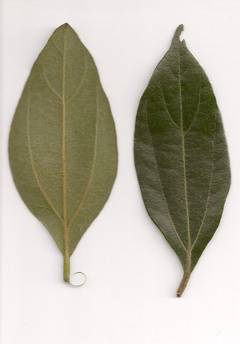
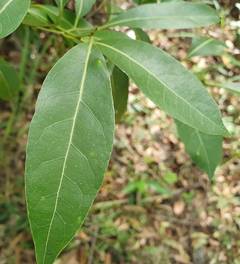
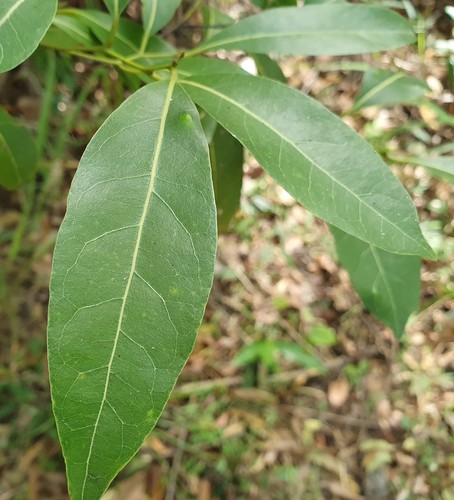
Cryptocarya is a large genus of about 350 evergreen trees and shrubs in the laurel family, spread through tropical and subtropical regions of the Americas, Africa, Asia, and Australia. Most are rainforest plants, ranging from understory shrubs to canopy trees 30-130 feet (9-40 m) tall, with smooth or finely fissured bark and aromatic wood and leaves. The leaves are simple, leathery, and alternate, often with a pale or bluish underside. Small cream to greenish flowers are borne in branched clusters and are followed by rounded, fleshy, one-seeded fruits that ripen black, purple, or red and are eaten and dispersed by birds. Several species yield useful aromatic timber, and a few, such as C. alba and C. moschata, have edible or spice-like fruits. The genus forms part of the structure of humid forests and regenerates in shade beneath the canopy. Growth is slow to moderate, and most species are frost-tender, restricting cultivation to warm, humid, frost-free climates. Some rainforest species are threatened by clearing of their habitat.
Native Range
Cryptocarya is widespread across the tropics and subtropics of Central and South America, sub-Saharan Africa, Madagascar, tropical and eastern Asia, and Australia. The genus is concentrated in moist lowland and montane rainforest, where species grow from the understory to the canopy.Suggested Uses
Tree species of Cryptocarya are grown for shade and as canopy and understory plants in tropical and subtropical gardens and rainforest revegetation. Some species are valued for aromatic timber, and a few produce edible or spice-like fruit. The fleshy fruits also support fruit-eating birds in cultivated and wild settings.How to Identify
Appearance
Size & Dimensions
Height30' - 130'
Width/Spread20' - 50'
Bloom Information
Flowering time varies with species and climate, often in spring or the warmer, wetter months, with some tropical species flowering more than once a year. The small clustered flowers are followed over several months by fleshy fruits that ripen black, purple, or red. Fruiting attracts birds, which carry the large seeds away from the parent.
Detailed Descriptions
Flower Description
cream to greenishFoliage Description
green, paler beneathGrowing Conditions
Sun Requirements
Requires 3-8 hours of direct sunlight daily
• Full Sun: 6+ hours of direct sunlight
• Partial Shade: 3-6 hours of direct sunlight
• Full Shade: Less than 3 hours of direct sunlight