Crassula, Genus, spp., Multiple species,
- Genus
- Multiple species
stonecrops
Southern Africa, with species in eastern Africa and Madagascar
Overview
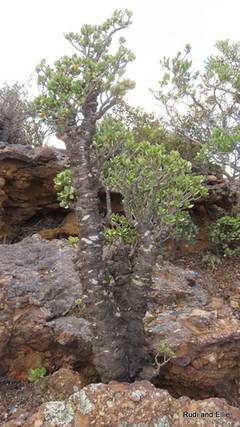
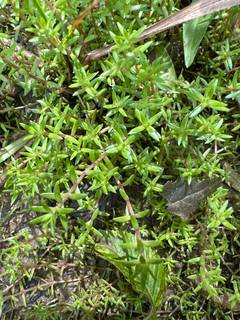
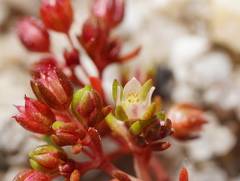
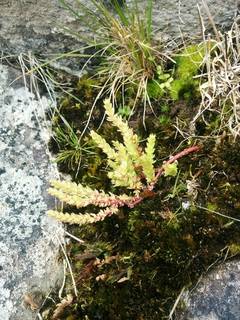
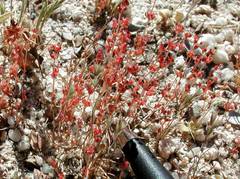
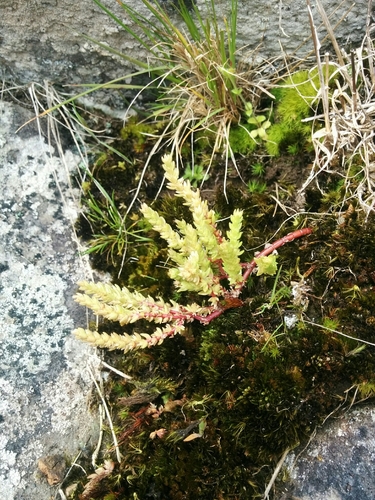
Crassula is a genus of about 200 species of succulent plants in the family Crassulaceae, the majority native to southern Africa, with additional species in eastern Africa, Madagascar, and other warm regions. Growth forms range from low mats and trailing stems a few inches high to branched shrubs reaching 3–10 feet (1–3 m), so habit varies widely across the genus. Leaves are fleshy, paired in opposite ranks, and often arranged so that successive pairs cross at right angles; colour ranges from green to grey-green, sometimes flushed red along the margins in strong light. Small star-shaped flowers, each about 0.2–0.4 inch (5–10 mm) across, are carried in clusters and are usually white or pink, occasionally yellow or red. The well-known jade plant, C. ovata, is a shrubby species grown as a houseplant across the world. Most species store water in their leaves and stems, which lets them survive long dry periods, but the same tissue makes them prone to rot in waterlogged soil or after frost. Plants root readily from leaf and stem cuttings, which is how many are propagated. Several species, including C. ovata, contain compounds that are toxic to cats and dogs if eaten. The genus is grown mainly in containers and frost-free gardens.
Native Range
Most Crassula species are native to southern Africa, with a concentration in the winter-rainfall regions of South Africa and Namibia. Additional species occur in eastern Africa, Madagascar, Arabia, and scattered warm-temperate regions worldwide.Suggested Uses
Crassula species are grown as houseplants, in containers, and in frost-free rock gardens and succulent plantings. Low, mat-forming species are used as groundcover in dry, warm gardens, while shrubby species such as C. ovata are kept as specimen pot plants. Many are grown in dish gardens and mixed succulent arrangements.How to Identify
Appearance
Size & Dimensions
Height2" - 10'
Width/Spread4" - 4'
Bloom Information
Many species flower in autumn and winter, while others bloom in spring or summer depending on their region of origin. The small flowers open in dense clusters over several weeks and are pollinated by insects. C. ovata usually flowers in late autumn and winter when grown in bright, cool conditions.
Detailed Descriptions
Flower Description
White to pink, occasionally yellow or redFoliage Description
Green to grey-green, often red-marginedGrowing Conditions
Sun Requirements
Requires 4-8 hours of direct sunlight daily
• Full Sun: 6+ hours of direct sunlight
• Partial Shade: 3-6 hours of direct sunlight
• Full Shade: Less than 3 hours of direct sunlight
Care & Maintenance
Care Guide
Grow Crassula in full sun to partial shade in gritty, sharply drained soil or a cactus and succulent mix. Water sparingly, letting the soil dry fully between waterings, and reduce water further during the dormant season, which falls in summer or winter depending on species. Most species are damaged below about 40°F (4°C) and are grown in containers that can be moved indoors where frost occurs. Bright light keeps growth compact and brings out red leaf margins, while low light causes stems to stretch and weaken. Propagate by detaching a leaf or stem cutting and letting the cut surface callus before setting it in dry mix. Overwatering and poor drainage are the leading causes of failure, producing soft, rotting stems.Pruning
Shrubby species such as C. ovata can be pruned after flowering to shape the plant and reduce top-heavy growth. Remove shrivelled lower leaves and any stems that have rotted or stretched. Trailing and mat-forming species need little pruning beyond clearing spent flower clusters.Container Growing
Suitable for container growing
Minimum container size: 1 gallons