Coronidium, Genus, spp., Multiple species,
- Genus
- Multiple species
paper daisy
Overview
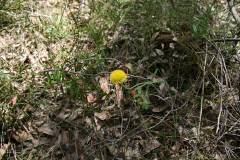
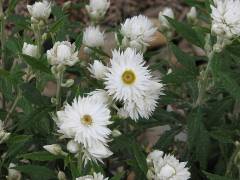
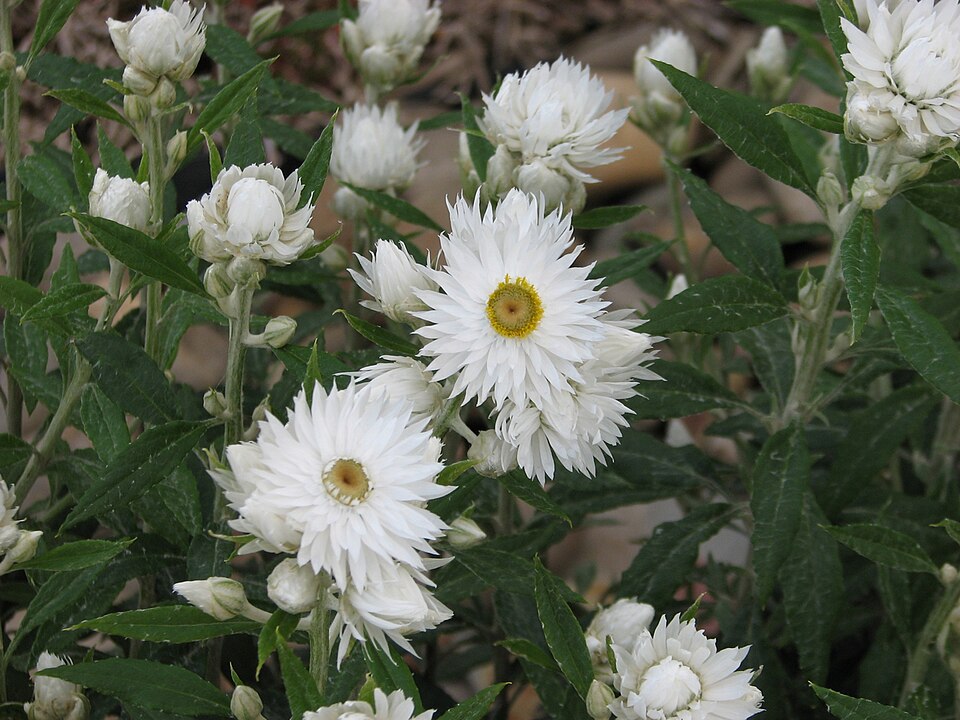
Coronidium is a genus of about 17 species of everlasting paper daisies in the family Asteraceae, all native to Australia, segregated from the broadly defined Helichrysum. Members range from short-lived annuals and tufted perennials to soft-wooded subshrubs, growing 1 to 5 feet (0.3 to 1.5 m) tall and 1 to 3 feet (0.3 to 0.9 m) wide. The leaves are narrow to oblong, often grey-green and woolly or sticky, and arranged along upright stems. The flower heads are the feature of the genus: each is ringed by stiff, papery bracts, white or yellow and sometimes flushed bronze or pink on the reverse, surrounding a central disc of tiny true flowers. Because the bracts are dry and straw-like, the heads hold their shape and colour when cut and dried, which is the origin of the everlasting name. Bloom comes mainly in spring and summer. Plants grow in open forest, grassland, and rocky slopes on freely draining soils, tolerating heat and dry spells, though many of the perennial kinds are short-lived and are renewed from seed or cuttings.
Native Range
Native to Australia, across the eastern states and into the south-west, in open forest, grassland, heath, and rocky slopes.Suggested Uses
Grown in native, cottage, and water-wise gardens for the long-lasting daisy heads, and the stems are cut for fresh and dried arrangements. Suited to sunny borders, containers, and pollinator plantings.How to Identify
Appearance
Size & Dimensions
Height1' - 5'
Width/Spread1' - 3'
Bloom Information
Flowering is concentrated in spring and summer, with some species flowering over a long season in mild areas. The papery bracts open around a central disc and stay colourful for an extended period. Dried heads retain their shape long after bloom.
Detailed Descriptions
Flower Description
White or yellow, sometimes bronze-backedFoliage Description
Grey-greenGrowing Conditions
Sun Requirements
Requires 6-12 hours of direct sunlight daily
• Full Sun: 6+ hours of direct sunlight
• Partial Shade: 3-6 hours of direct sunlight
• Full Shade: Less than 3 hours of direct sunlight
Care & Maintenance
Care Guide
Most species grow in full sun on freely draining sandy, loamy, or rocky soils with pH from 5.5 to 7.0. Water needs are low to medium, and established plants tolerate heat and dry spells. Most kinds are frost-tender to semi-hardy, suited to roughly USDA zones 9 to 11. The perennial species are often short-lived, persisting a few years, and are renewed from seed or cuttings. A light trim after flowering keeps growth bushy.Pruning
A light cut-back after the main flush keeps plants compact and can prompt a second flush in some species. Spent stems are removed at the base as they age. Plants for dried use are cut as the bracts open fully.Pruning Schedule
Prune: December–January
summer
Container Growing
Suitable for container growing
Minimum container size: 3 gallons