Coptis, Genus, spp., Multiple species,
- Genus
- Multiple species
Goldthread
North temperate forests and bogs of North America, Europe, and Asia
Overview
Coptis is a genus of about 15 species of low, evergreen, rhizomatous perennials in the buttercup family (Ranunculaceae), native to cool, moist forests and bogs across the north temperate zone. The common name goldthread refers to the slender, bright golden-yellow rhizomes, which creep through the surface litter and contain the alkaloid berberine. Plants form low mats, with leaves held 2 to 6 inches (5 to 15 cm) high and clumps spreading 6 to 12 inches (15 to 30 cm) wide. The leaves are basal, divided into three or more leathery, glossy, sharply toothed leaflets that stay green through winter. In early spring, thin stalks carry small flowers about 0.4 to 0.6 inch (10 to 15 mm) across, with white petal-like sepals and narrow nectar-bearing petals. Slender, star-like clusters of beaked seed pods follow. Across the genus, plants grow in acidic, humus-rich soil in cool shade and decline in heat and dry conditions. Species such as C. trifolia of North America and C. japonica of Asia are grown in woodland and shade gardens, and several have a long history of medicinal use.
Native Range
Native across the cool north temperate zone, with species in North America, Europe, and temperate Asia including Japan, China, and the Himalaya.Suggested Uses
Grown as an evergreen groundcover in woodland and shade gardens, in bog and streamside plantings, and among ferns and mosses on acidic soils. The glossy mats suit cool, moist, naturalistic settings.How to Identify
Appearance
Size & Dimensions
Height2" - 6"
Width/Spread6" - 1'
Bloom Information
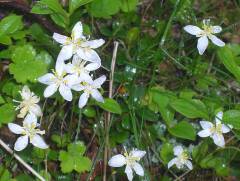
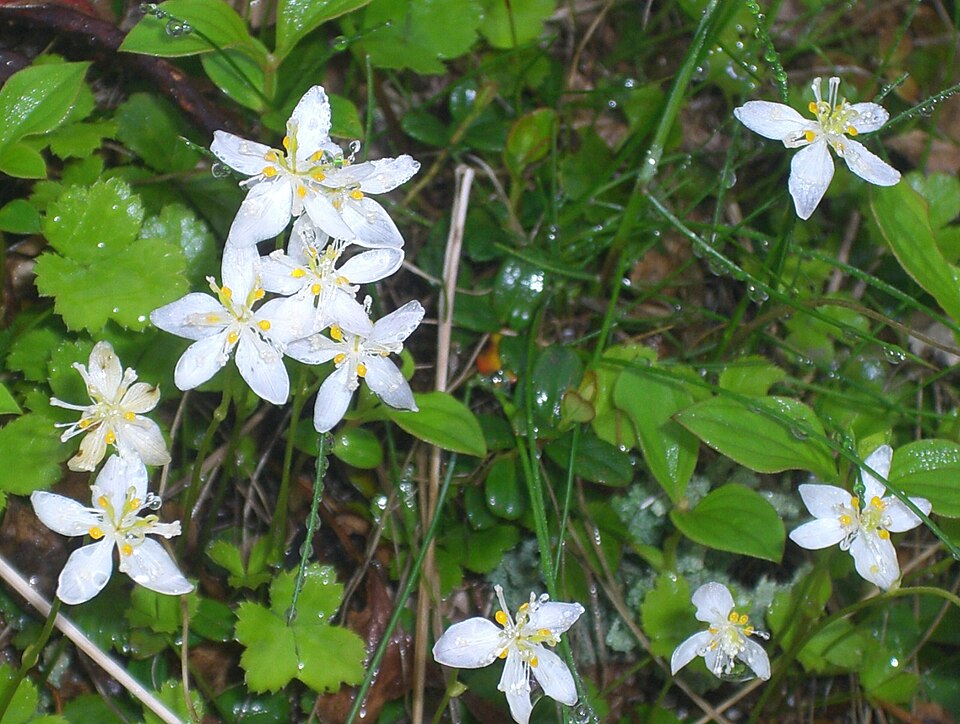
Flowering occurs in early spring, soon after snowmelt in colder regions. The small flowers have white petal-like sepals and thread-like nectar petals, held singly on thin stalks above the foliage. Beaked seed pods follow in a star-like cluster.
Detailed Descriptions
Foliage Description
Glossy dark greenGrowing Conditions
Sun Requirements
Tolerates up to 4 hours of direct sunlight daily
• Full Sun: 6+ hours of direct sunlight
• Partial Shade: 3-6 hours of direct sunlight
• Full Shade: Less than 3 hours of direct sunlight
Care & Maintenance
Care Guide
Plants grow in cool, deep to part shade on consistently moist, acidic, humus-rich soil with pH from 4.5 to 6.0. Water needs are high, and the rhizomes decline in heat, drought, or alkaline ground. Hardiness spans roughly USDA zones 3 to 7. Growth is slow, and plants take time to knit into a groundcover. A mulch of leaf litter keeps the roots cool and moist.Pruning
No routine pruning is needed beyond removing tattered or winter-burned leaves in spring. The evergreen foliage is otherwise left in place. Spent flower stalks can be trimmed after seeding.Pruning Schedule
Prune: April
early spring