Coprosma, Genus, spp., Multiple species,
- Genus
- Multiple species
coprosma
New Zealand, Australia, and Pacific islands
Overview
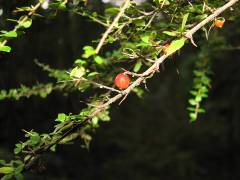
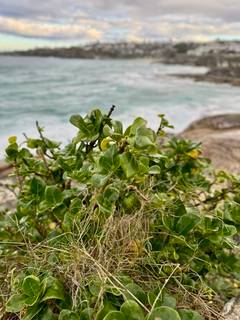
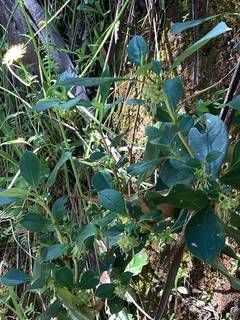
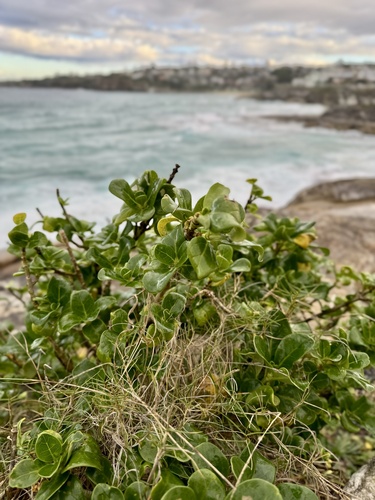
Coprosma is a genus of about 100 species of evergreen shrubs and small trees in the family Rubiaceae, native to New Zealand, Australia, and Pacific islands. Plants range from ground-hugging mats a few inches high to upright shrubs 10–20 feet (3–6 m) tall, with small, opposite, often glossy leaves 0.2–4 inches (0.5–10 cm) long. Many cultivated forms have leaves marked or flushed with cream, yellow, orange, or red, and the foliage of several deepens in color in cold weather and full sun. Plants are dioecious, with separate male and female plants; flowers are small, greenish, and wind-pollinated, with little visual presence. Female plants bear rounded, translucent berries 0.2–0.4 inch (5–10 mm) across in white, orange, red, blue, or purple. Most species are frost-tender and grown in mild coastal climates or as foliage container plants. They tolerate wind and salt but are damaged below about 25°F (-4°C).
Native Range
Native to New Zealand, where the genus is most diverse, and to eastern Australia, New Guinea, Hawaii, and other Pacific islands, with outliers in Borneo and southern South America. Grows in coastal scrub, forest margins, and montane shrubland from sea level to about 6,000 feet (1,800 m).Suggested Uses
Grown as foliage shrubs, low hedges, ground covers, and coastal plantings in mild regions, spaced 2–4 feet (0.6–1.2 m) apart. Compact and variegated forms are used in containers and mixed plantings for year-round foliage color. In cold climates plants are grown as tender container specimens moved under cover for winter.How to Identify
Appearance
Size & Dimensions
Height6" - 20'
Width/Spread2' - 10'
Bloom Information
Flowers are small, greenish, and wind-pollinated, opening in spring with little visual presence. Female plants set berries through summer and fall that persist into winter. Berry color and quantity vary with the season and need both male and female plants nearby for pollination.
Detailed Descriptions
Foliage Description
green, often variegated with cream, yellow, orange, or redGrowing Conditions
Sun Requirements
Requires 4-10 hours of direct sunlight daily
• Full Sun: 6+ hours of direct sunlight
• Partial Shade: 3-6 hours of direct sunlight
• Full Shade: Less than 3 hours of direct sunlight
Care & Maintenance
Care Guide
Grows in full sun to part shade and free-draining soil with moderate water, tolerating coastal wind, salt, and poor sandy ground. Variegated and red-leaved forms hold the strongest color in full sun. Hardy only in mild climates, plants are damaged below about 25°F (-4°C) and are grown under cover or as container plants in colder regions. Overwatering and heavy soil cause root rot. Few pests trouble them outdoors, though scale and mealybug occur on indoor plants. Light trimming keeps shrubby forms dense.Pruning
Trim shrubby forms in spring to shape and maintain density; they regrow well from old wood. Prostrate and ground-cover forms need little cutting beyond removal of dead stems. Hedged plants tolerate clipping two or three times during the growing season.Container Growing
Suitable for container growing
Minimum container size: 3 gallons