Conopodium, Genus, spp., Multiple species,
- Genus
- Multiple species
pignut
Europe, Mediterranean, North Africa, and western Asia
Overview
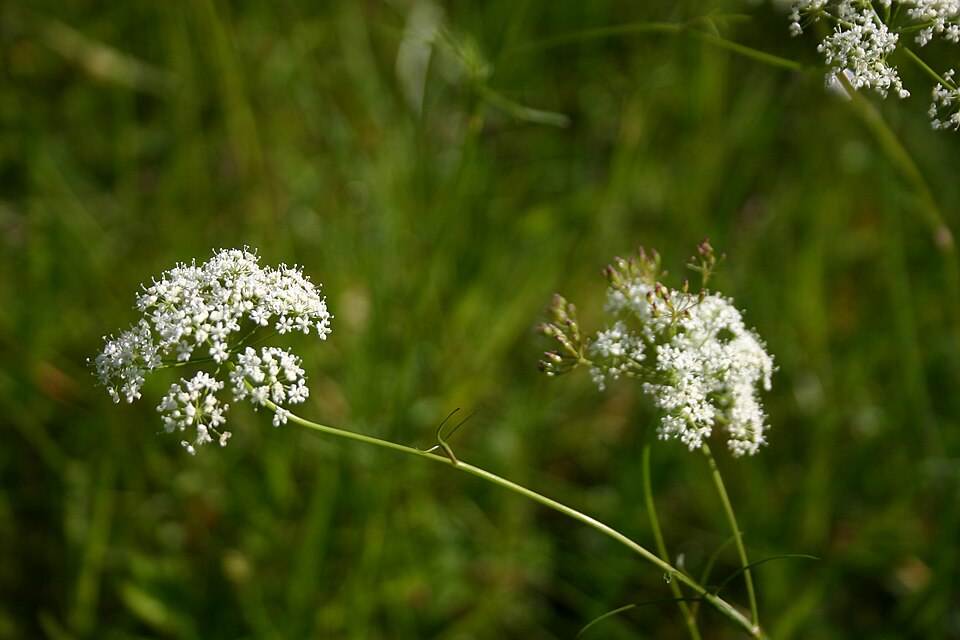
Conopodium is a genus of slender perennial herbs in the carrot family (Apiaceae), with roughly 20 species ranging across Europe, the Mediterranean, North Africa, and western Asia. The plants grow from a small, rounded, edible underground tuber set deep in the soil, sending up a thin, branching stem each spring. The species C. majus, the pignut or earthnut, is common in European woods and grassland. Across the genus, flowering stems reach 8 to 24 inches (20 to 60 cm) tall, forming loose clumps 4 to 10 inches (10 to 25 cm) wide. The lower leaves are finely divided into thread-like segments and often wither by flowering time, while the upper stem is nearly leafless. Small white flowers are carried in flat-topped compound umbels 1 to 3 inches (2.5 to 8 cm) across in late spring and early summer. After seeding, the top growth dies away and the plant rests in the soil as its tuber. Plants grow in light woodland, hedge banks, and old grassland on moist but free-draining soils.
Native Range
Native to Europe, the Mediterranean region, North Africa, and western Asia, in woodland, hedgerows, and unimproved grassland.Suggested Uses
Grown in woodland gardens, wildflower meadows, and naturalistic grass plantings where the spring umbels mix with other meadow flowers. The edible tuber has a history of use as a foraged root.How to Identify
Appearance
Size & Dimensions
Height8" - 2'
Width/Spread4" - 10"
Bloom Information
Detailed Descriptions
Foliage Description
GreenGrowing Conditions
Sun Requirements
Requires 3-6 hours of direct sunlight daily
• Full Sun: 6+ hours of direct sunlight
• Partial Shade: 3-6 hours of direct sunlight
• Full Shade: Less than 3 hours of direct sunlight
Care & Maintenance
Care Guide
Plants grow in part shade to full sun on moist but free-draining soils with pH from 5.5 to 7.0. Water needs are medium during spring growth, after which the plants become summer-dormant below ground. Hardiness spans roughly USDA zones 5 to 8. The deep tuber makes established plants hard to move or divide. They naturalise in light woodland and meadow settings rather than formal beds.Pruning
No routine pruning is needed, as the top growth dies down naturally after flowering. Spent stems can be cleared once seed has dropped. In meadow plantings, mowing is delayed until the seed ripens.Pruning Schedule
Prune: July–August
summer