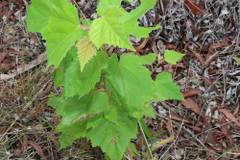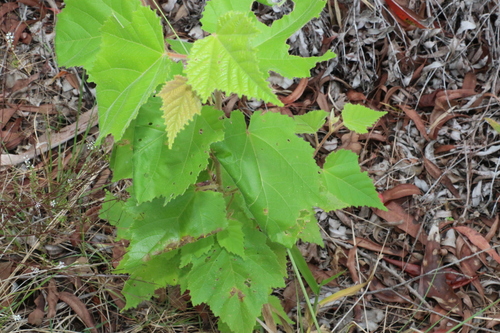
Commersonia, Genus, spp., Multiple species,
- Genus
- Multiple species
commersonia
Australia, extending to Southeast Asia and the Pacific Islands
Overview
Commersonia is a genus of about 25 species of shrubs and small trees in the mallow family (Malvaceae), formerly placed in Sterculiaceae and now including the species once separated as Rulingia. The genus is centred on Australia, with a few species reaching Southeast Asia and the Pacific Islands. Members range from low shrubs around 3 feet (1 m) tall to trees near 50 feet (15 m), so the genus spans a wide size range; most cultivated kinds are spreading shrubs 3 to 12 feet (1 to 3.6 m) tall and wide. Leaves are alternate, often toothed or lobed, and clothed in minute star-shaped hairs that give the foliage a grey-green, felted look. The flowers are small, 0.2 to 0.5 inch (5 to 12 mm) across, with five spreading white to cream petal-like lobes, borne in branched clusters and often massed across the canopy in spring and summer. Fruit is a bristly or spiny capsule holding several seeds. Foliage is evergreen. Plants grow in open forest, heath, and disturbed ground on sandy or gravelly soils and tolerate dry spells once established, though most are frost-sensitive. Several species are grown in native gardens and for revegetation.
Native Range
Native to Australia, with a smaller number of species extending into Southeast Asia and the islands of the western Pacific.Suggested Uses
Grown in native and coastal gardens, on banks for soil stabilisation, and in revegetation plantings. The felted foliage and massed spring flowers suit informal screens and mixed native borders.How to Identify
Appearance
Size & Dimensions
Height3' - 49'2"
Width/Spread3' - 20'
Bloom Information
Detailed Descriptions
Flower Description
White to creamFoliage Description
Grey-greenGrowing Conditions
Sun Requirements
Requires 4-8 hours of direct sunlight daily
• Full Sun: 6+ hours of direct sunlight
• Partial Shade: 3-6 hours of direct sunlight
• Full Shade: Less than 3 hours of direct sunlight
Care & Maintenance
Care Guide
Most species grow in full sun to light shade on freely draining sandy or gravelly soil. Soil pH from 5.5 to 7.5 suits the genus. Water needs are low once plants are established, and they tolerate seasonal dry periods. Most kinds are frost-sensitive and grow in frost-free or near frost-free climates, roughly USDA zones 9 to 11. Light tip pruning keeps shrubby species dense. Plants are generally short-lived, persisting around 5 to 15 years.Pruning
Light pruning of stem tips after flowering keeps shrub forms compact and bushy. Older plants can be cut back moderately to renew growth. Tree forms need little pruning beyond removing damaged wood.Pruning Schedule
Prune: December–January
summer