Collomia, Genus, spp., Multiple species,
- Genus
- Multiple species
collomia
Western North America and temperate South America
SunFull Sun – Part Shade
Overview
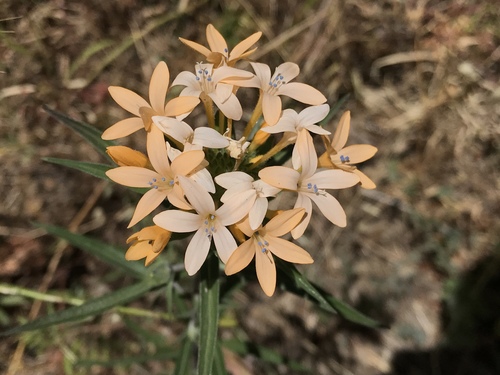
Collomia is a genus of about 15 species of annual and perennial herbs in the phlox family, Polemoniaceae, native to western North America and the temperate Andes of South America. Plants grow from 2 inches to about 3 feet (5-90 cm) tall, with slender, often unbranched or sparingly branched stems and narrow, alternate, untoothed leaves. The funnel-shaped flowers gather in dense, leafy-bracted clusters at the stem tips and open in salmon, apricot, pink, yellow, white, or pale blue, each with a slender tube 0.4-1.2 inch (1-3 cm) long flaring into five lobes. The large-flowered collomia (C. grandiflora) carries showy apricot to salmon blooms, while smaller species have tiny pink or blue flowers. The seeds develop a sticky, mucilaginous coat when wet, which helps them cling to soil. Most species grow on open, disturbed, gravelly, or sandy ground, from foothills to mountain slopes, and several are quick-growing annuals that appear after fire or disturbance. The flowers draw bees, butterflies, and hummingbirds depending on colour and form. Annual species die at the first hard frost, completing their cycle in a single season.
Native Range
Collomia is native to western North America, from British Columbia south through the western United States, and to the temperate Andes of Argentina and Chile in South America. It grows on open, often disturbed ground such as gravel bars, road banks, burned areas, and dry slopes from lowlands to the mountains.Suggested Uses
Collomia is grown in wildflower meadows, rock gardens, and native plantings of the western states and in dryland gardens, where the salmon-toned annuals add early colour. The flowers draw bees, butterflies, and hummingbirds. Because the annual species are short-lived and self-seeding, they suit naturalistic plantings rather than formal bedding.How to Identify
Appearance
Size & Dimensions
Height2" - 3'
Width/Spread3" - 1'
Bloom Information
Flowering occurs from late spring into summer, mainly May to August, with timing later at higher elevations. The clustered flowers open over several weeks, and annual species can flower within weeks of germinating after rain or disturbance. Seed follows quickly and ripens by late summer.
Detailed Descriptions
Flower Description
salmon to pinkFoliage Description
greenGrowing Conditions
Sun Requirements
Requires 5-10 hours of direct sunlight daily
• Full Sun: 6+ hours of direct sunlight
• Partial Shade: 3-6 hours of direct sunlight
• Full Shade: Less than 3 hours of direct sunlight
Water & Climate
Water Needs
Drought Tolerance
Drought tolerant when established
Care & Maintenance
Care Guide
Collomia grows in full sun to light shade on light, well-drained, sandy or gravelly soil and needs little water once established. Annual species are sown from seed in autumn or early spring where they are to grow, since they resent transplanting, and germinate readily on open ground. Plants tolerate poor, lean soil and drought, but rot in rich, wet, or shaded sites. Cold tolerance varies with species, the mountain annuals enduring frost while germinating in cool conditions. Self-sown seedlings often appear the following season on bare soil. Lean ground and sun keep growth sturdy and free-flowering.Pruning
These short-stemmed herbs need no pruning. Spent annual plants can be cleared once they have set seed, or left to self-sow on open ground. Removing faded clusters can prolong flowering on the perennial species.Toxicity
Non-toxicPlanting Guide
Planting Methods & Timing
Planting Method
direct sow
Direct Sow Timing
Autumn or early spring where plants are to grow
