Image 1 of 2
1 / 2
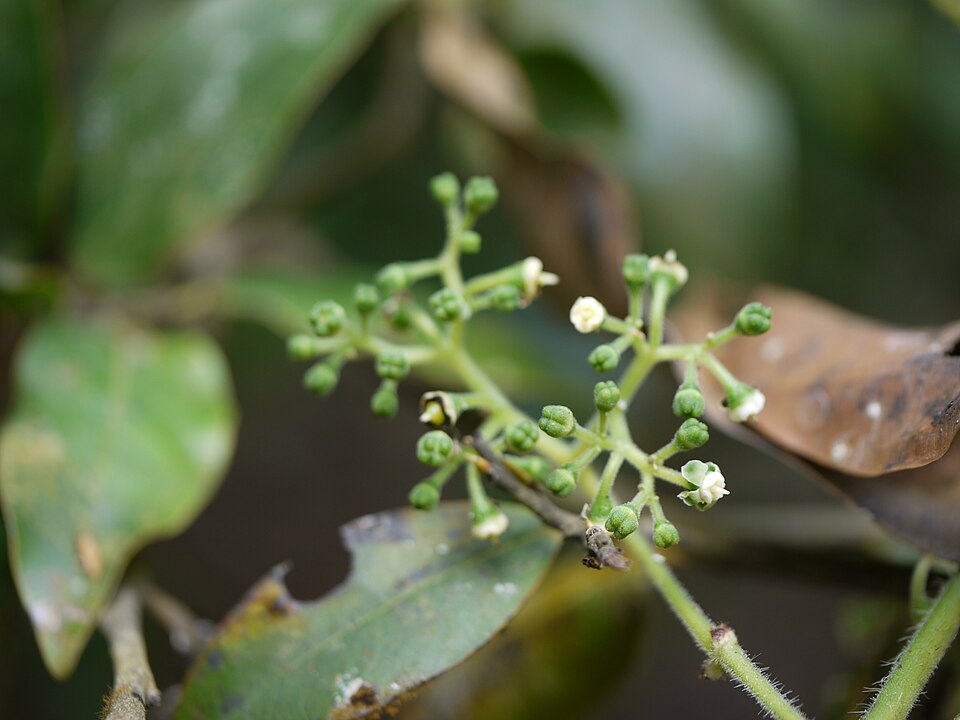
© Dinesh Valke from Thane, India, some rights reserved (CC-BY-SA) · Wikimedia Commons
Cissus, Genus, spp., Multiple species,
- Genus
- Multiple species
treebine
Overview
Cissus is a genus of about 350 species of mostly evergreen climbing and trailing plants in the grape family, found throughout the tropics and subtropics of the Americas, Africa, Asia, and Australia. Most climb by coiled tendrils that arise opposite the leaves, scrambling over rocks, shrubs, and trees, while a few are succulent with thick, jointed, water-storing stems adapted to dry country. Stems reach 6-40 ft (1.8-12 m) long depending on species and support. Leaves vary from simple and heart-shaped to deeply lobed or divided into three leaflets, and range from thin and glossy to thick and fleshy; some, such as the rex begonia vine, are marked with silver and red. The flowers are small, greenish to cream, and inconspicuous, carried in branched clusters opposite the leaves, and are followed by small grape-like berries that are usually inedible. Several species, including grape ivy and kangaroo vine, are grown as foliage houseplants and conservatory climbers. The genus is generally frost-tender and grows in warmth and humidity, though the succulent species tolerate heat and drought. Most grow in bright, indirect light and free-draining soil.
Native Range
Native across the tropics and subtropics worldwide, including the Americas, sub-Saharan Africa, Madagascar, tropical Asia, and Australia, with both rainforest climbers and drought-adapted succulent species. Centres of diversity include Africa and the American tropics.Suggested Uses
Grown as trailing and climbing foliage houseplants in hanging baskets and on trellises, in conservatories, and outdoors in frost-free gardens as screen or groundcover vines. Succulent species are grown in containers as drought-tolerant curiosities.How to Identify
Appearance
Size & Dimensions
Height6' - 40'
Width/Spread3' - 6'
Bloom Information
Flowering is irregular and often sparse in cultivation, occurring through the warm season where conditions suit, mainly in spring and summer. The small greenish flowers are easily overlooked among the foliage. Small berries may follow in frost-free climates.
Detailed Descriptions
Flower Description
Greenish to creamFoliage Description
Green, some silver and red markedGrowing Conditions
Sun Requirements
Needs bright indirect light. Keep it out of direct sun, which can scorch the leaves.
• Bright indirect light: a bright spot near a window, with no direct sun on the leaves
Care & Maintenance
Care Guide
Grow most species in bright, indirect light in free-draining, loam-based soil, giving support for the climbing types to ramble over. Water regularly through the warm growing season and reduce watering in winter, since cool, wet roots cause rot. Maintain warmth above 50 F (10 C) and moderate to high humidity, as the leafy species are frost-tender and dislike cold drafts. Succulent species such as C. quadrangularis need full sun, gritty soil, and sparing water and tolerate drought. Pinch growing tips to keep leafy vines bushy. Hardiness is limited to USDA zones 10-12 outdoors, with most species grown as houseplants elsewhere.Pruning
Pinch or trim leafy climbers any time in the growing season to control length and encourage branching. Cut back leggy or bare stems hard in spring to renew growth. Remove dead or damaged stems on succulent species as needed.Pruning Schedule
Prune: March–April
spring
Container Growing
Suitable for container growing
Minimum container size: 2 gallons
