Circaea, Genus, alpina, Species,
- Genus & species
alpine Enchanter's-nightshade
Circumboreal — North America, Europe, Asia
Overview
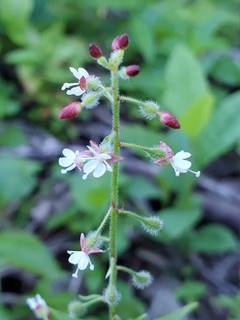
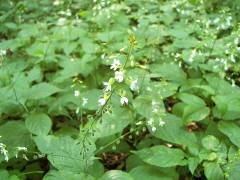
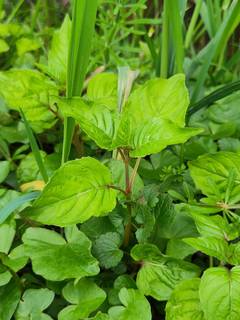
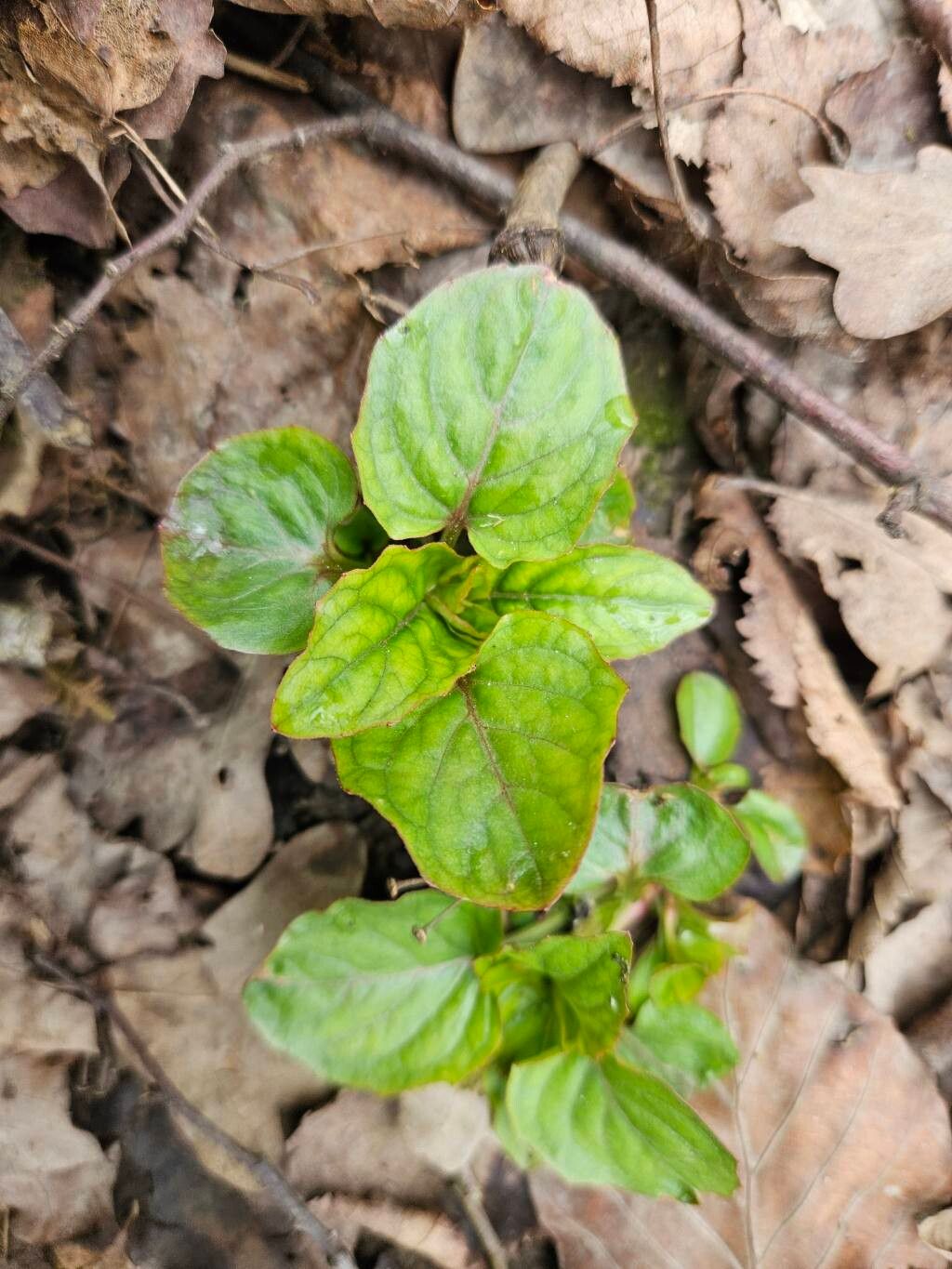
Circaea alpina is a small herbaceous perennial of moist, shaded forests, reaching 3–12 inches (8–30 cm) tall on slender, often translucent stems. The opposite leaves are thin and heart-shaped to oval, 1–2.5 inches (2.5–6 cm) long, with toothed margins and a slightly glossy surface. Tiny white flowers are carried in loose terminal clusters, each flower about 0.08 inch (2 mm) across with two deeply notched petals, two sepals, and two stamens. Flowering occurs from June to August. The fruit is a small club-shaped capsule 0.06–0.1 inch (1.5–2.5 mm) long, covered in soft hooked bristles that cling to fur and clothing and carry the seed to new ground. The plant spreads by slender underground runners tipped with small tubers, forming loose colonies in leaf litter. C. alpina grows across the cooler regions of North America, Europe, and Asia in damp woods, stream banks, and shaded seeps. Despite the common name, it is unrelated to the true nightshades and is not toxic. It needs cool, moist, shaded conditions and declines in dry or sunny sites, where the thin foliage scorches.
Native Range
Circaea alpina has a circumboreal range across the cooler parts of North America, Europe, and Asia. It grows in moist shaded forests, stream banks, seeps, and on decaying logs, often in deep leaf litter.Suggested Uses
Used as a groundcover in shaded woodland gardens, along damp stream banks, and in moist native plantings. Spaced 8–12 inches (20–30 cm) apart, it fills cool shaded ground where many plants struggle.How to Identify
Appearance
Size & Dimensions
Height3" - 1'
Width/Spread8" - 1'4"
Bloom Information
Flowering occurs from June to August. The small white flowers, each about 0.08 inch (2 mm) wide with two notched petals, open along slender terminal clusters. Hooked bristly fruits follow and detach readily to cling to passing animals.
Detailed Descriptions
Foliage Description
greenGrowing Conditions
Sun Requirements
Tolerates up to 4 hours of direct sunlight daily
• Full Sun: 6+ hours of direct sunlight
• Partial Shade: 3-6 hours of direct sunlight
• Full Shade: Less than 3 hours of direct sunlight