Cicerbita, Genus, spp., Multiple species,
- Genus
- Multiple species
blue sow-thistle
Overview
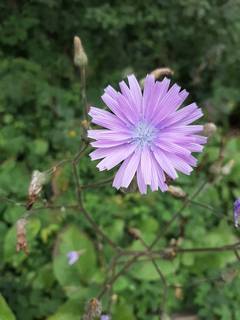
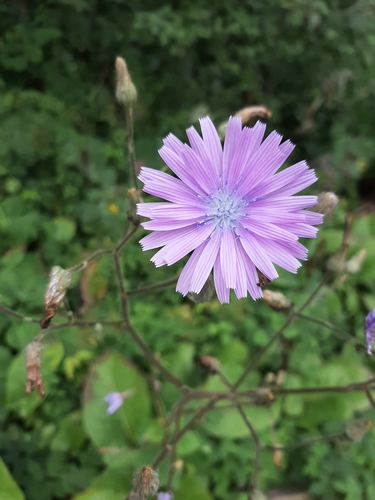
Cicerbita is a genus of tall perennial herbs in the family Asteraceae, native to the mountains and cool temperate regions of Europe, Asia, and northeastern Africa. The genus contains roughly 18-35 species growing 1.5-8 feet (0.5-2.4 m) tall from creeping rootstocks, with hollow, leafy stems and large, often lyre-shaped lower leaves 4-14 inches (10-35 cm) long. In summer the branched stem tips carry open clusters of strap-petaled flower heads in shades of blue, lilac, and violet, though a few species flower pale yellow. Each head holds only ray florets, resembling an enlarged sow-thistle, and is followed by seeds tipped with soft white or pale brown hairs that carry them on the wind. Plants spread by rhizomes as well as seed and can form broad colonies in moist mountain meadows, tall-herb communities, and streamside woodland. This spreading habit makes some species difficult to contain in small gardens. The genus is closely related to Lactuca and Sonchus, and several species were once placed within those genera. Most species need cool summers and steady soil moisture to persist.
Native Range
Cicerbita is native across Europe and temperate Asia, from the mountains of central and northern Europe through the Caucasus and Himalayas to eastern Asia, with a few species in the highlands of northeastern Africa. It typically grows in subalpine meadows, damp ravines, and tall-herb vegetation between 1,500 and 8,000 feet (450-2,400 m).Suggested Uses
Cicerbita is grown in wild, woodland, and naturalistic gardens and along pond and stream margins, where its height and blue summer flowers suit the back of informal borders. The flowers draw bees and hoverflies, and the seeds feed finches. Its rhizomatous spread makes it better placed in large plantings than confined beds.How to Identify
Appearance
Size & Dimensions
Height1'6" - 8'
Width/Spread1' - 3'
Bloom Information
Flowering occurs in summer, generally from July to August, with timing later at higher elevations. The blue to violet heads open over several weeks and are followed by wind-borne seed. Bloom is most reliable in cool, moist mountain conditions.
Detailed Descriptions
Flower Description
blue to violetFoliage Description
greenGrowing Conditions
Sun Requirements
Requires 3-8 hours of direct sunlight daily
• Full Sun: 6+ hours of direct sunlight
• Partial Shade: 3-6 hours of direct sunlight
• Full Shade: Less than 3 hours of direct sunlight
Care & Maintenance
Care Guide
Cicerbita grows in partial shade to full sun where summers stay cool, in deep, moist, humus-rich soil that does not dry out. Plants tolerate a range of soil types but languish in hot, dry positions and need watering during summer drought. They are cold-hardy into USDA zone 4 and die back to the rootstock each winter, returning from rhizomes in spring. The creeping roots can spread widely, so the genus suits larger informal plantings where there is room to expand. Division in spring or autumn keeps clumps vigorous. Rich, damp ground produces the tallest stems.Pruning
Cut spent flowering stems to the base after seed sets to limit self-sowing, since plants reseed freely in moist ground. Foliage can be cleared away in late autumn once it dies back. Lift and divide congested clumps every few years in spring to hold their spread in check.Pruning Schedule
Prune: August–October
summerfall