Chrysopsis, Genus, spp., Multiple species,
- Genus
- Multiple species
golden aster
Eastern and southeastern United States
Overview
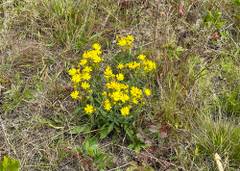
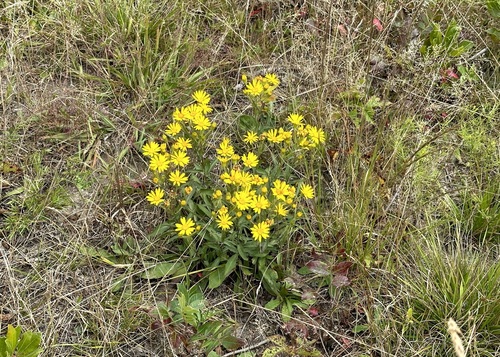
Chrysopsis is a genus of about eleven annual, biennial, and perennial herbs in the daisy family, Asteraceae, native to the eastern and southeastern United States, where they are called golden asters. Plants grow 1-3 feet (30-90 cm) tall, often with woolly or silky-hairy stems and leaves that give a grey-green cast. From late summer into autumn, branched stems carry yellow flowerheads 1-1.5 inches (2.5-4 cm) across with both ray and disc florets, in the usual daisy form. Many species grow on dry, sandy soils, in pine flatwoods, sandhills, and coastal scrub, and are adapted to heat, drought, and low fertility. C. mariana, the Maryland golden aster, is grown more often than the others, forming clumps that bloom in autumn. Several Florida species, including C. floridana, are highly restricted and protected. Plants draw late-season bees and butterflies when little else is in bloom. One limitation is a tendency to flop in rich soil or shade and a short life in some species, which persist mainly by self-seeding. Most are hardy in zones 5-9.
Native Range
Chrysopsis is native to the eastern and southeastern United States, concentrated on the Atlantic and Gulf coastal plains from the Mid-Atlantic to Florida and Texas. Plants grow on dry, sandy soils in pine flatwoods, sandhills, dunes, and open scrub.Suggested Uses
Used in dry meadows, sandy and gravel gardens, coastal plantings, and native borders for late-season yellow color. Combines with little bluestem, goldenrods, and asters in prairie-style plantings. Suited to pollinator and water-wise gardens on poor soils.How to Identify
Appearance
Size & Dimensions
Height1' - 3'
Width/Spread1' - 2'
Bloom Information
Flowering runs from late summer into autumn, roughly August to October, later than many summer daisies. Plants bloom over several weeks as the branched stems open successive flowerheads. The late display coincides with the movement of pollinators preparing for winter.
Detailed Descriptions
Foliage Description
grey-greenGrowing Conditions
Sun Requirements
Requires 6-12 hours of direct sunlight daily
• Full Sun: 6+ hours of direct sunlight
• Partial Shade: 3-6 hours of direct sunlight
• Full Shade: Less than 3 hours of direct sunlight
Care & Maintenance
Care Guide
Grow Chrysopsis in full sun in light, sandy, sharply drained soil; the genus is adapted to lean, dry ground. Established plants tolerate heat and drought and need little or no watering. Rich soil and shade cause weak, floppy growth and reduce flowering, so lean conditions give the sturdiest growth. The genus needs no feeding and resents wet winter soil, which rots the crown. Cutting plants back by half in early summer can reduce flopping. Many species self-seed, maintaining a planting over time.Pruning
Cut plants back by about half in late spring or early summer to limit flopping and produce branched, sturdier stems. Remove spent flowering stems in late autumn or leave them standing as winter seed for birds. Old, woody clumps can be divided or replaced as they decline.Pruning Schedule
Prune: May–June
late springsummer