Chimaphila, Genus, spp., Multiple species,
- Genus
- Multiple species
pipsissewa
Northern Hemisphere temperate and boreal forests
Overview
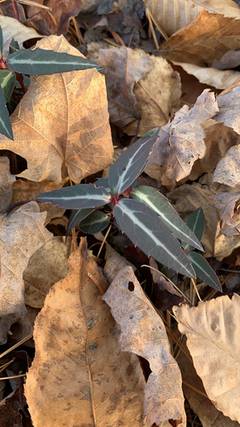
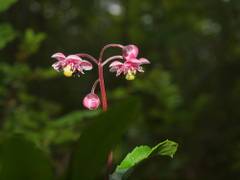
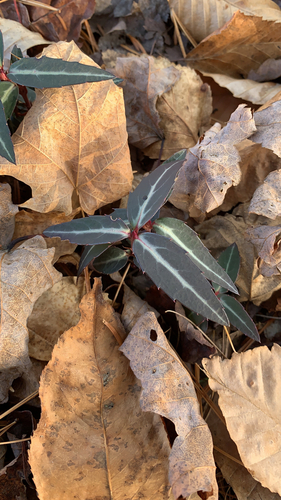
Chimaphila is a small genus of about five evergreen subshrubs in the heath family, Ericaceae, found in temperate and boreal woodlands across North America, Europe, Asia, and Central America. Commonly called pipsissewa or prince's pine, the plants are low and rhizomatous, reaching only 4-10 inches (10-25 cm) tall and spreading slowly into colonies. The leathery, glossy leaves are toothed and arranged in whorls or pseudo-whorls along short woody stems, staying green through winter. In summer, slender stalks rise above the foliage carrying one to several nodding, waxy flowers about 0.5 inch (1.3 cm) across in white to pink, each with a ring of stamens around a broad green ovary. After flowering, erect dry seed capsules persist into winter. The plants grow in dry to moderately moist coniferous and mixed forest, in acidic, humus-rich soil, and form partnerships with soil fungi that make them hard to transplant or cultivate. One limitation for growers is exactly this fungal dependence: dug or potted plants usually decline because the root-fungus relationship is disturbed. C. umbellata and C. maculata are the species seen most often in North American woods.
Native Range
Chimaphila occurs across the cool temperate and boreal Northern Hemisphere, including much of North America, Europe, and Asia, with species reaching the mountains of Central America. Plants grow in the understory of coniferous and mixed forests in acidic, organic soils.Suggested Uses
Grown in woodland and native-plant gardens by specialists able to match its acidic, shaded, fungal-rich conditions. Suited to naturalistic conifer underplantings rather than conventional beds. Plants are most often encountered in intact forest rather than cultivation.How to Identify
Appearance
Size & Dimensions
Height4" - 10"
Width/Spread6" - 1'
Bloom Information
Flowering occurs in summer, roughly June to August depending on latitude and elevation. Each stalk carries one to several nodding flowers that open over two to three weeks. The dry seed capsules that follow remain upright on the stalk into the following winter.
Detailed Descriptions
Flower Description
white to pinkFoliage Description
dark greenGrowing Conditions
Sun Requirements
Tolerates up to 4 hours of direct sunlight daily
• Full Sun: 6+ hours of direct sunlight
• Partial Shade: 3-6 hours of direct sunlight
• Full Shade: Less than 3 hours of direct sunlight