Chaerophyllum, Genus, spp., Multiple species,
- Genus
- Multiple species
chervils
SunFull Sun – Part Shade
WaterMedium
Overview
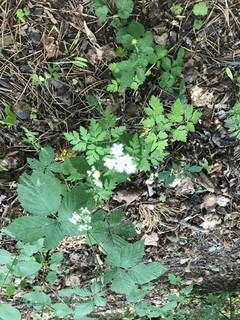
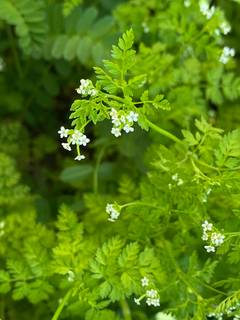
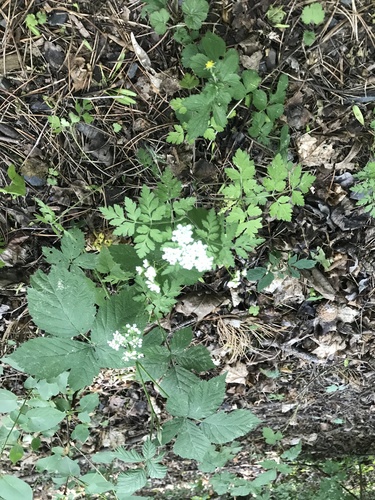
Chaerophyllum is a genus of about 35 to 45 annual, biennial, and perennial herbs in the carrot family, native to the Northern Hemisphere. Plants are upright, 1-6 feet (0.3-1.8 m) tall, with hollow, often hairy or purple-spotted stems and finely divided, fern-like leaves 2-12 inches (5-30 cm) long. Small five-petalled flowers, usually white and sometimes pink, are carried in flat-topped compound umbels 1-3 inches (2.5-8 cm) across in late spring and summer. The fruit is a narrow, ridged, two-parted dry seed typical of the family. Roots range from slender to swollen and tuberous, as in C. bulbosum, turnip-rooted chervil, which is grown as a root vegetable. Some species, such as C. hirsutum, are grown in gardens for early ferny foliage and pink-tinged flower heads, while others, including C. temulum, rough chervil, are poisonous and grow as roadside weeds. Across the genus, plants occur in meadows, woodland edges, hedgerows, and damp grassland. Foliage often appears early in the year and dies back after seeding. Several species self-seed freely and can spread where conditions suit them.
Native Range
The genus Chaerophyllum is native across the temperate Northern Hemisphere, in Europe, Asia, North Africa, and North America. Plants grow in damp meadows, woodland margins, hedge banks, streamsides, and disturbed grassland. C. hirsutum is a plant of mountain meadows and stream edges in Europe, while several North American species grow in moist woods and clearings.Suggested Uses
Ornamental species such as C. hirsutum are grown in moist borders, woodland gardens, and naturalistic meadow plantings, spaced 12-18 inches (30-45 cm) apart, for early ferny foliage and umbels among spring perennials. C. bulbosum is grown in vegetable gardens for its edible root. The flat flower heads draw small pollinating insects.How to Identify
Appearance
Size & Dimensions
Height1' - 6'
Width/Spread1' - 2'
Bloom Information
Blooms in late spring and summer, generally May through July, with timing varying by species and region. The flat umbels of white to pink flowers open over several weeks and are followed by ridged seeds. Annual and biennial species flower once and die after seeding, while perennials return each year. Bloom is earlier in mild lowland sites.
Detailed Descriptions
Flower Description
white to pinkFoliage Description
green, fern-likeGrowing Conditions
Sun Requirements
Requires 3-8 hours of direct sunlight daily
• Full Sun: 6+ hours of direct sunlight
• Partial Shade: 3-6 hours of direct sunlight
• Full Shade: Less than 3 hours of direct sunlight
Water & Climate
Water Needs