Ceratopetalum, Genus, gummiferum, Species,
- Genus & species
New South Wales Christmas bush
Overview
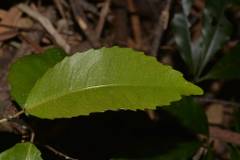
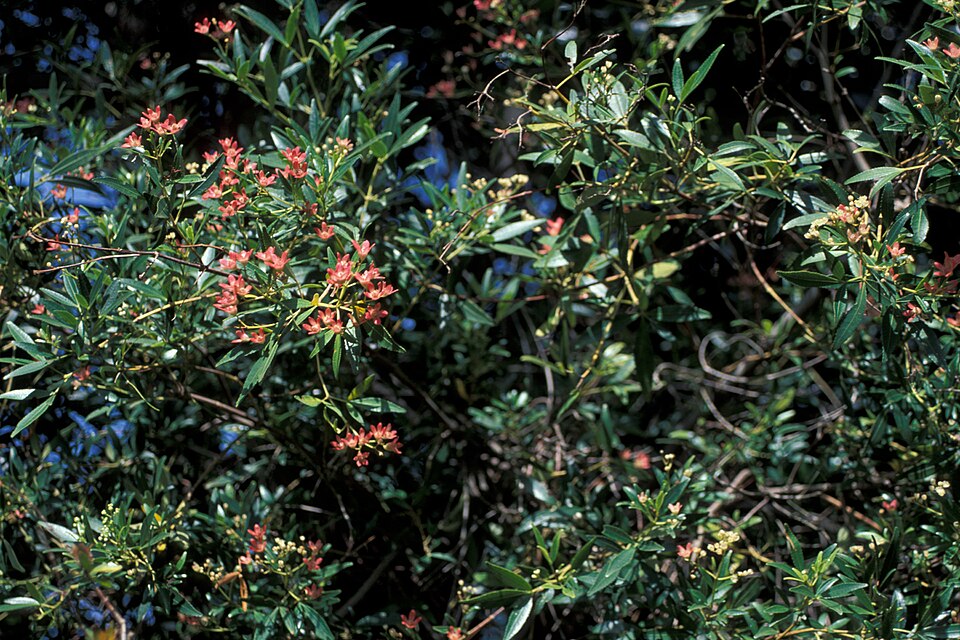
Ceratopetalum gummiferum is an evergreen shrub or small tree in the family Cunoniaceae, growing 6-30 feet (2-9 m) tall and 5-15 feet (1.5-4.5 m) wide, often multi-stemmed with an upright, bushy form. The glossy leaves are compound, each divided into three narrow toothed leaflets 1-3 inches (2.5-7 cm) long, mid to deep green and aromatic when crushed. Small white star-shaped flowers about 0.4 inch (1 cm) across open in spring; after the petals fall, the five sepals enlarge and turn deep pink to red over several weeks, creating the coloured display that peaks in early summer. The enlarged red calyces, rather than the flowers, account for the colour through December in its native range. Growth is moderate, and plants reach flowering size in three to five years. The species needs reliable moisture and free drainage and colours most strongly in full sun.
Native Range
Native to New South Wales in eastern Australia, mainly in coastal districts and the adjacent ranges. It grows in moist gullies, open forest, and along watercourses on sandy and sandstone-derived soils.Suggested Uses
Grown as a specimen, screen, and cut-foliage shrub in gardens and parks, spaced 6-10 feet (1.8-3 m) apart. The red-calyx stems are widely cut for summer floral displays in Australia. Suits larger containers in cooler areas where it can be sheltered from frost.How to Identify
Appearance
Size & Dimensions
Height6' - 30'
Width/Spread5' - 15'
Bloom Information
White flowers open in spring (October to November), lasting two to three weeks. The sepals then enlarge and deepen to red over the following weeks, with peak colour in early summer (December) in its native range. Colour holds for three to five weeks before fading.
Detailed Descriptions
Flower Description
white flowers; red enlarged calycesFoliage Description
mid to deep greenGrowing Conditions
Sun Requirements
Requires 5-9 hours of direct sunlight daily
• Full Sun: 6+ hours of direct sunlight
• Partial Shade: 3-6 hours of direct sunlight
• Full Shade: Less than 3 hours of direct sunlight
Care & Maintenance
Care Guide
Grows in full sun to part shade on freely draining sandy or loamy soils with reliable moisture, matching its native gully habitat. Regular watering through the first two years aids establishment, and even moisture during spring and early summer improves the depth and duration of the calyx colour. The species colours less strongly in shade and suffers in waterlogged or heavy clay soils. Light feeding with low-phosphorus native fertilizer in spring suits it. Tip pruning after the colour fades keeps plants bushy and within size. Root-rot fungi and scale insects are the main problems on poorly drained or stressed plants.Pruning
Pruning straight after the red calyces fade keeps the shrub compact and encourages branching for the next season display. Cutting flowering stems for indoor use serves as light pruning. The plant reshoots from younger wood but recovers slowly from hard cuts into bare old stems.Pruning Schedule
Prune: January–February
summer
Container Growing
Suitable for container growing
Minimum container size: 10 gallons