Cephalanthera, Genus, spp., Multiple species,
- Genus
- Multiple species
helleborine orchid
Europe, Asia, North Africa, and western North America
Overview
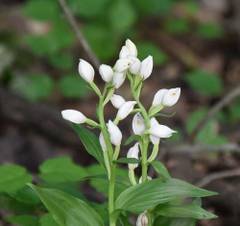
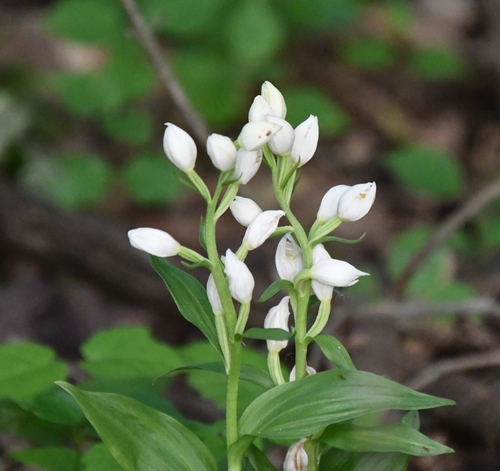
Cephalanthera is a genus of around twenty terrestrial orchids in the orchid family (Orchidaceae), known as helleborines and found through Europe, Asia, North Africa, and western North America. The plants grow from creeping rootstocks into upright leafy stems 6-24 inches (15-60 cm) tall, with narrow, pleated leaves running up the stem. Spikes of white, cream, or pink flowers open in late spring and summer, and in most species the flowers barely spread, staying half-closed in a slender cup shape. Cephalanthera rubra, the red helleborine, has rose-pink flowers and is rare across much of Europe, while Cephalanthera austiniae, the phantom orchid of western North America, is ghostly white and leafless, drawing all its food from soil fungi. The genus grows in woodland and scrub, mostly on chalk and limestone soils in light shade. These orchids depend closely on particular soil fungi and establish very slowly, which makes them almost impossible to transplant or cultivate, and many are legally protected in the wild. They are studied and enjoyed where they grow rather than moved into gardens.
Native Range
The genus ranges across Europe, temperate and subtropical Asia, and North Africa, with one species, the phantom orchid, in western North America. The plants grow in deciduous and mixed woodland, scrub, and woodland edges, most often on lime-rich soils in dappled shade.Suggested Uses
The genus has no role as a garden plant and forms part of native woodland flora of conservation interest. The orchids are sought out by botanists and naturalists where they grow wild. Protecting their woodland habitat is the main way they are supported.How to Identify
Appearance
Size & Dimensions
Height6" - 2'
Width/Spread4" - 1'
Bloom Information
Flowering comes in late spring and summer, generally May to July depending on the species and region. The flowers open in sequence up the spike and, in most species, stay only partly open. Many set little seed and rely on spreading rootstocks, so colonies can persist for years in one spot.
Detailed Descriptions
Flower Description
white to pinkFoliage Description
greenGrowing Conditions
Sun Requirements
Requires 2-5 hours of direct sunlight daily
• Full Sun: 6+ hours of direct sunlight
• Partial Shade: 3-6 hours of direct sunlight
• Full Shade: Less than 3 hours of direct sunlight