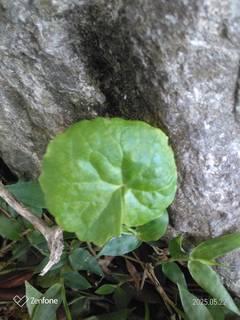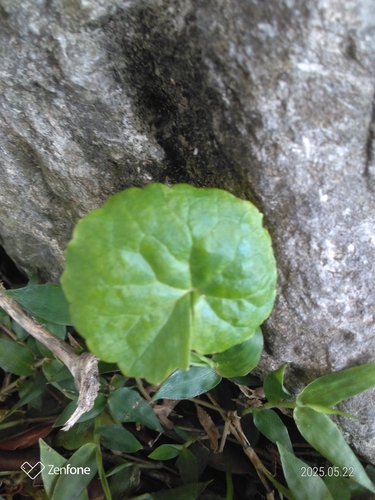
Centella, Genus, spp., Multiple species,
- Genus
- Multiple species
pennywort
Tropical and subtropical wetlands of Asia, Africa, and Oceania
Overview
Centella is a genus of about 50 species of low, creeping perennial herbs in the carrot family, most diverse in southern Africa, with one species, C. asiatica, spread across tropical and subtropical wetlands worldwide. Plants form mats of slender, rooting stolons that creep along moist ground, sending up long-stalked, rounded to kidney-shaped leaves 0.5 to 2 inches (1.5 to 5 cm) wide with scalloped margins. The tiny flowers are pink, reddish, or white, grouped in small clusters held close to the ground at the leaf bases and easily overlooked. Centella asiatica, known as gotu kola, is grown as a leafy herb and used in traditional medicine across Asia. The genus favors damp soil along streams, ditches, and pond edges and quickly carpets bare ground, but it spreads aggressively by stolons and can move beyond where it is wanted. Foliage is damaged by hard frost, dying back in cold-winter climates and persisting year-round only where winters stay mild.
Native Range
The genus Centella is centered in southern Africa, where most species occur. Centella asiatica has a much wider native range across the wetlands of Asia, Africa, Australia, and the Pacific islands. It grows naturally in marshy ground, along watercourses, and in damp grassland, generally below 2,000 feet (600 m).Suggested Uses
Grown as a groundcover in moist, shaded areas, along pond and stream margins, and in bog gardens, as well as in containers and as a culinary and medicinal herb. Centella asiatica leaves are eaten fresh or brewed as a tea. Plants knit together quickly to cover damp bare soil.How to Identify
Appearance
Size & Dimensions
Height2" - 6"
Width/Spread1' - 2'
Bloom Information
Flowering occurs mainly in summer, from about June to August in temperate areas and over a longer period in the tropics. The small clustered flowers are held low among the foliage and are often hidden by the leaves. Flowering passes largely unnoticed, with the plant grown chiefly for its foliage.
Detailed Descriptions
Flower Description
pink, reddish, or whiteFoliage Description
greenGrowing Conditions
Sun Requirements
Requires 4-8 hours of direct sunlight daily
• Full Sun: 6+ hours of direct sunlight
• Partial Shade: 3-6 hours of direct sunlight
• Full Shade: Less than 3 hours of direct sunlight
Care & Maintenance
Care Guide
Plants grow in full sun to part shade and need consistently moist to wet soil; growth slows and leaves brown where the soil dries out. A loam or clay soil rich in organic matter suits the genus, and plants tolerate boggy ground and shallow standing water. In frost-free climates foliage stays evergreen, while hard frost cuts plants back to the rooting stolons, which resprout in spring where roots survive. The creeping stolons root as they spread and are easily thinned or pulled to limit the colony. Few pests trouble the foliage, though slugs graze young leaves.Pruning
Pruning amounts to trimming or pulling runners to keep the mat within bounds and removing frost-damaged foliage in spring. Plants tolerate mowing or shearing and regrow from the stolons. No woody pruning applies.Container Growing
Suitable for container growing
Minimum container size: 1 gallons