Overview
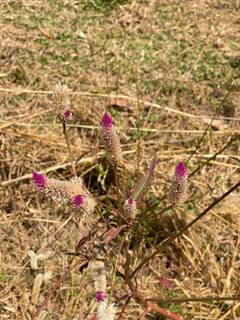
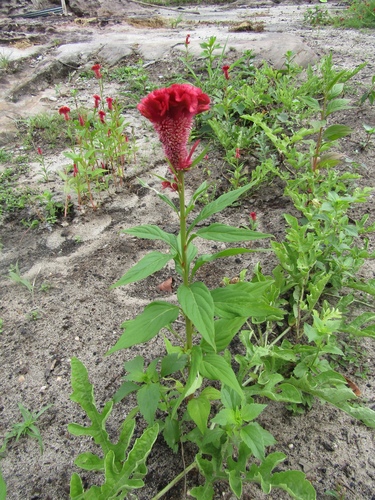
Celosia argentea is a frost-tender annual reaching 12-36 inches (30-90 cm) tall and 8-18 inches (20-45 cm) wide, with upright stems and alternate lance-shaped leaves 2-6 inches (5-15 cm) long, mid-green with reddish veins on some cultivars. The species includes three principal forms: cristata (cockscomb) with brain-coral inflorescences, plumosa (plumed celosia) with feathery upright spikes, and spicata (wheat celosia) with narrow cylindrical flower heads. Flower spikes measure 2-12 inches (5-30 cm) long in colors of red, orange, pink, yellow, purple, and bicolors. Bloom begins 60-80 days from sowing and continues from midsummer to first frost (10-14 weeks of color in zones 5-7). Plants self-sow in zones 7+ and naturalize as a weed in tropical agriculture; in colder zones, frost ends the life cycle. Heat and drought tolerance becomes high once plants are established at 4-6 weeks from sowing; seedlings need consistent moisture for that establishment period. Stem rot occurs in poorly drained soils, and aphids cluster on tender new growth. Cut flowers retain color when dried, lasting more than a year as dried-flower stems.
Native Range
Celosia argentea is native to tropical Africa and South Asia, with the species naturalized through tropical America and parts of the southeastern United States. The leaves are eaten as a green vegetable in West African cuisine where it is called lagos spinach or quail grass. Cultivated forms have been selected since at least the 16th century in tropical Asia and Africa.Suggested Uses
Celosia argentea is used in summer annual borders, cut-flower gardens, and container plantings, spaced 8-12 inches (20-30 cm) apart. The cristata (cockscomb) types are used as accent plants in mixed beds, while plumosa types fill mid-border slots and create vertical layering. Cut and dried flower stems are used in dried arrangements lasting 12+ months indoors.How to Identify
Appearance
Size & Dimensions
Height1' - 3'
Width/Spread8" - 1'6"
Bloom Information
Bloom begins 60-80 days after sowing seed indoors or 70-90 days after direct sowing, typically July through October in USDA zones 5-7. Flower heads persist on the plant for 4-6 weeks and continue developing new lateral spikes until frost. Cut for drying when 50-75% of the spike has opened, before seed begins to set.
Detailed Descriptions
Flower Description
Red, orange, pink, yellow, purple, often bicolorFoliage Description
Mid-green; reddish veins on some cultivarsGrowing Conditions
Sun Requirements
Requires 6-12 hours of direct sunlight daily
• Full Sun: 6+ hours of direct sunlight
• Partial Shade: 3-6 hours of direct sunlight
• Full Shade: Less than 3 hours of direct sunlight
Water & Climate
Water Needs
Drought Tolerance
Drought tolerant when established
Care & Maintenance
Care Guide
Celosia argentea grows in full sun (6+ hours daily); shade reduces flower size and produces leggy stems. Soil should be well-drained loam with pH 6.0-6.5; nutrient-poor soils produce shorter plants but more saturated flower color. Direct seeding into warm soil above 70°F (21°C) or transplanting started seedlings 2-3 weeks after last frost gives strong establishment. Watering 1 inch (2.5 cm) per week is adequate, with reduced irrigation once plants reach 12 inches (30 cm) tall to promote sturdier stems. Light fertilization at planting (5-10-10 NPK) supports growth without over-stimulating soft foliage. Plants tolerate heat to 100°F (38°C) and humidity if airflow is adequate.Pruning
Pinching the central growing tip when seedlings reach 4-6 inches (10-15 cm) produces multiple side branches and more flower spikes. Spent flowers can be removed by cutting back to the next leaf node to encourage lateral spike development. Plants grown for cut flowers are typically not pinched so that stem length on the central spike is maximized.Container Growing
Suitable for container growing
Minimum container size: 2 gallons