Capparis, Genus, spp., Multiple species,
- Genus
- Multiple species
caperbushes
Mediterranean, Africa, Asia, and Australia
Overview
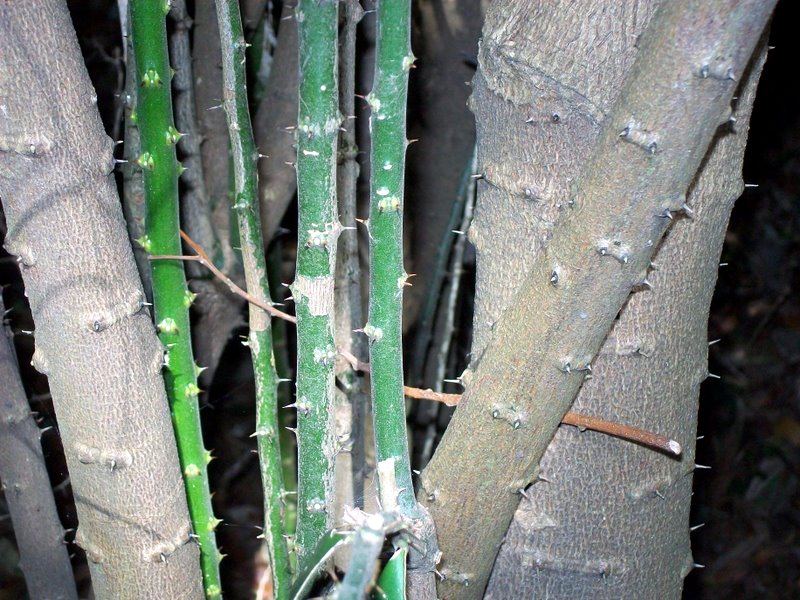
Capparis is a genus of about 150 shrubs, small trees, and scrambling climbers in the family Capparaceae, found through the tropics and warmer temperate regions of the Old World and Australia. Plants are often spiny, with stipular thorns at the leaf bases, and bear simple, rounded, leathery leaves that resist heat and drought. The flowers are showy and short-lived, 1–3 inches (2.5–8 cm) across, with four white to pink petals and a brush of many long stamens tipped purple or pink, opening near dusk and lasting about a day. Several species are night-scented and moth- or bat-pollinated. Fleshy berry fruits follow, eaten by birds and animals. Capparis spinosa, the source of pickled capers, is grown for its unopened flower buds and is the species behind the common name caperbush. The genus is adapted to rocky, dry, and coastal ground, tolerating drought, heat, and salt, but most species are frost-tender and resent wet, heavy soil. Plants are slow to establish from seed.
Native Range
Capparis is native to warm parts of the Old World, from the Mediterranean and Africa through Asia to Australia and the Pacific, growing in dry scrub, rocky hillsides, coastal cliffs, and semi-desert. C. spinosa is widespread around the Mediterranean and into central Asia.Suggested Uses
Capparis is grown as a drought-hardy shrub for hot, dry, and coastal gardens, on rocky banks and walls, and as a caper crop in the case of C. spinosa. Plants are spaced 3–6 ft (0.9–1.8 m) apart and trail over walls and terraces in dry-stone settings. The spines and sprawling habit suit boundary and wild plantings.How to Identify
Appearance
Size & Dimensions
Height2' - 15'
Width/Spread3' - 10'
Colors
Foliage Colors
Bloom Information
Capparis flowers in late spring and summer, with each flower opening toward evening and fading within a day. In warm climates flowering continues in flushes over many weeks. The night-opening, scented flowers are pollinated by moths, bees, and in some species bats.
Detailed Descriptions
Flower Description
white to pink with purple stamensFoliage Description
grey-green to greenGrowing Conditions
Sun Requirements
Requires 6-12 hours of direct sunlight daily
• Full Sun: 6+ hours of direct sunlight
• Partial Shade: 3-6 hours of direct sunlight
• Full Shade: Less than 3 hours of direct sunlight
Care & Maintenance
Care Guide
Capparis grows in full sun and sharp-draining, rocky, sandy, or gravelly soil at a pH of 6.5–8.5, including poor and limy ground. Established plants are drought-tolerant and need little water, as wet, heavy soil and humidity cause root and stem rot. The genus tolerates heat, wind, and coastal salt but most species are frost-tender below about 25°F (−4°C). It needs no feeding on lean soils and resents disturbance once rooted. Seed germinates slowly and erratically, often needing scarification, and cuttings can be difficult, so plants are slow to establish. Few pests trouble it in a hot, dry site.Pruning
Capparis is pruned in late winter to shape the plant and to remove dead or frost-damaged wood. Caper growers cut plants back hard each year to force plenty of young shoots, which carry the harvested buds. The spiny stems make trimming awkward.Container Growing
Suitable for container growing