Camphora, Genus, spp., Multiple species,
- Genus
- Multiple species
camphor tree
East Asia (China, Taiwan, Japan, Korea, Vietnam)
Overview
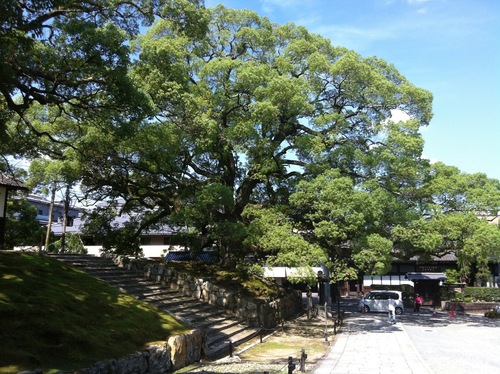
Camphora is a genus of evergreen trees in the laurel family (Lauraceae), segregated from Cinnamomum and known for the camphor tree, Camphora officinarum. Members are broad-crowned trees reaching 30-100 feet (9-30 m) tall with a dense, rounded canopy that often spreads as wide as the tree is high. The alternate leaves are glossy, oval, and 2-5 inches (5-13 cm) long, releasing a camphor scent when crushed, with new growth flushing bronze to red before turning deep green. Small pale yellow to greenish-white flowers open in branched clusters in spring, followed by round black drupes about 0.3 inch (8 mm) wide that ripen in autumn. The wood, leaves, and roots contain camphor and related aromatic oils that have long been distilled for medicinal and industrial use. The genus is native to warm-temperate and subtropical East Asia and is grown as a street and shade tree in frost-free regions. Birds feed on the fruit and spread the seed widely, and in parts of Australia and the southeastern United States Camphora officinarum has naturalized and is regulated as an invasive weed. Surface roots and the dense canopy also limit what can grow beneath established trees.
Native Range
The genus is native to East Asia, including southern China, Taiwan, Japan, Korea, and Vietnam, where the trees grow in lowland and hill forests. Camphora officinarum has since been planted across many warm regions and has naturalized in Australia, parts of Africa, and the southeastern United States.Suggested Uses
In frost-free climates the genus is used as a large shade, street, and park tree where there is room for the wide crown and deep root system. The aromatic wood and foliage are also grown as a source of camphor oil. In regions where the camphor tree is invasive, planting is restricted and other shade trees are substituted.How to Identify
Appearance
Size & Dimensions
Height30' - 100'
Width/Spread30' - 60'
Bloom Information
Small pale flowers appear in spring, generally April to May, in loose branched clusters among the new leaves. Each flower is about 0.2 inch (5 mm) across, and the display lasts a few weeks. Round green fruits follow and ripen to glossy black by autumn.
Detailed Descriptions
Flower Description
pale yellow to greenish-whiteFoliage Description
greenGrowing Conditions
Sun Requirements
Requires 6-10 hours of direct sunlight daily
• Full Sun: 6+ hours of direct sunlight
• Partial Shade: 3-6 hours of direct sunlight
• Full Shade: Less than 3 hours of direct sunlight
