Calochortus, Genus, spp., Multiple species,
- Genus
- Multiple species
mariposa lilies
Overview
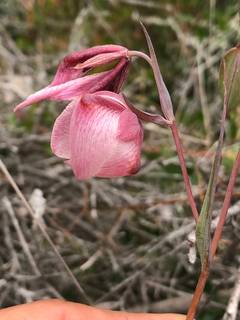
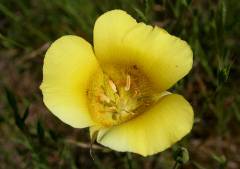
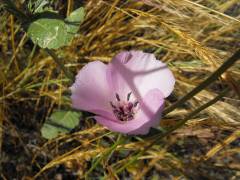
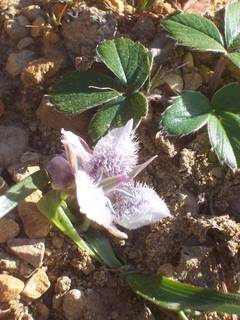
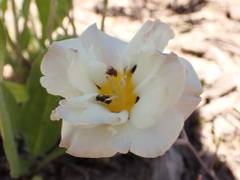
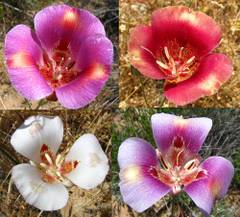
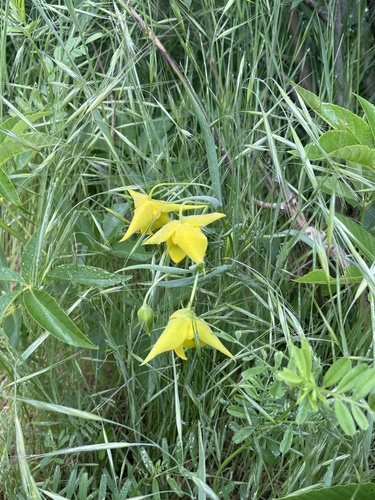
Calochortus is a genus of about 70 species of bulb-forming perennials in the lily family (Liliaceae), native to western North America, from southwestern Canada through the United States and Mexico to Guatemala, with the greatest variety in California. Plants grow from a small bulb and send up a slender stem 4-24 in (10-60 cm) tall with a few narrow, grass-like leaves. The flowers are large for the plant and come in three broad forms: open, tulip-like mariposa flowers, often with a contrasting blotch and a fringed nectar gland inside; nodding, closed globe flowers known as fairy lanterns; and star-shaped, hairy cat-ear flowers. Colours span white, yellow, pink, lilac, orange, and deep red, frequently with bands or spots. Bloom comes in late spring and early summer, after which the plants die back to the bulb and rest through the dry summer. The genus grows in grassland, chaparral, open woodland, and rocky slopes, mostly where summers are dry. Plants need a dry summer dormancy and sharp drainage, and they rot easily if watered or grown in heavy soil during their rest.
Native Range
The genus is native to western North America, from British Columbia south through the western United States and Mexico to Guatemala, and is most diverse in California. Species grow in grassland, chaparral, sagebrush, open conifer woodland, and on rocky slopes with dry summers.Suggested Uses
Grown by bulb enthusiasts in rock gardens, raised beds, troughs, and pots that can be dried off in summer, and in native plantings within their dry-summer range. Calochortus species are also used in restoration of western grassland and chaparral.How to Identify
Appearance
Size & Dimensions
Height4" - 2'
Width/Spread3" - 6"
Colors
Bloom Information
Flowering comes in late spring and early summer, the exact timing rising with elevation and latitude. Each stem carries one to several large flowers that open over a couple of weeks. After bloom the plant sets a three-parted capsule of seeds and dies back to the bulb for its summer rest.
Detailed Descriptions
Flower Description
white, yellow, pink, lilac, orange, or red, often markedFoliage Description
green to grey-greenGrowing Conditions
Sun Requirements
Requires 6-12 hours of direct sunlight daily
• Full Sun: 6+ hours of direct sunlight
• Partial Shade: 3-6 hours of direct sunlight
• Full Shade: Less than 3 hours of direct sunlight
Care & Maintenance
Care Guide
Plants grow in full sun and sharply drained, gritty or sandy soils, matching their dry-summer habitats. Moisture in autumn through spring supports growth and bloom, but the bulbs need to stay dry and undisturbed during summer dormancy. Water or heavy wet soil in summer is the most common cause of bulb rot. Most species are grown in raised beds, troughs, or pots that can be kept dry in summer, or in bulb frames in wet-summer climates. Cold hardiness varies with the species and its native elevation. Bulbs are slow to reach flowering size from seed, taking several years.Pruning
Spent flower stems are cut off after seed is collected or to prevent self-seeding, and the dying leaves are left until fully brown so the bulb can recharge. No other cutting is needed.Pruning Schedule
summer
Container Growing
Suitable for container growing
Minimum container size: 1 gallons