Callisia, Genus, spp., Multiple species,
- Genus
- Multiple species
inch plant
Americas (southern USA to Argentina)
Overview
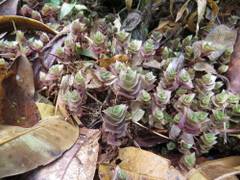
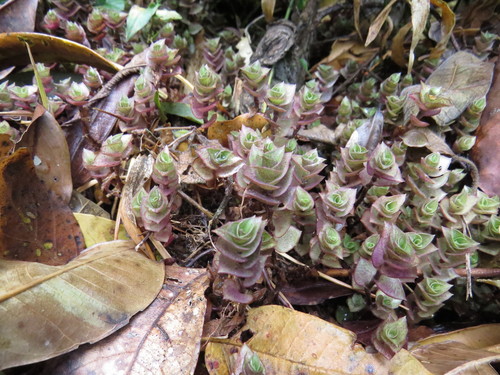
Callisia is a genus of low, creeping to trailing perennials in the spiderwort family (Commelinaceae), native to warm regions of the Americas from the southern United States to Argentina. Stems root readily at the nodes and spread into mats or hang from containers, reaching 4-24 inches (10-60 cm) long depending on species. The fleshy, often glossy leaves are 0.5-4 inches (1-10 cm) long and range from small overlapping ovals in C. repens to long strap-shaped rosettes in C. fragrans. Small three-petalled flowers, usually white and sometimes pink-tinged, open among the upper leaves and last a single day. Several species spread quickly and root over wide areas, becoming weedy in frost-free climates. The plant sap holds irritant compounds that can cause skin or paw dermatitis in sensitive people and pets. Callisia grows in warm, bright, well-drained sites and is damaged by frost, so in cool regions it is kept as a houseplant or summer container plant.
Native Range
The genus is native to the warm temperate, subtropical, and tropical Americas, ranging from the southern United States and Mexico through Central America and the West Indies into much of South America as far as Argentina. Species grow in open woodland, rocky slopes, and disturbed ground, often in light shade.Suggested Uses
Callisia is used as a trailing houseplant, hanging-basket subject, and frost-free groundcover or edging in warm gardens. In USDA zones 9-11 it can carpet shaded, well-drained ground, while elsewhere it is grown under cover. Its tendency to root and spread limits its use near sensitive native plantings.How to Identify
Appearance
Size & Dimensions
Height4" - 1'
Width/Spread1' - 3'
Bloom Information
Flowering occurs mainly in summer and early autumn, with scattered flowers possible year-round in warm conditions. Each flower opens for a single day, and a plant produces a succession of blooms over several weeks. Many species flower sparsely and are grown for their foliage.
Detailed Descriptions
Flower Description
White, sometimes pink-tingedFoliage Description
Green, often glossy, sometimes purple-flushed or variegatedGrowing Conditions
Sun Requirements
Requires 4-8 hours of direct sunlight daily
• Full Sun: 6+ hours of direct sunlight
• Partial Shade: 3-6 hours of direct sunlight
• Full Shade: Less than 3 hours of direct sunlight
Care & Maintenance
Care Guide
Plants grow in bright light to part shade in free-draining soil or potting mix and store water in their fleshy stems and leaves, so they cope with short dry spells but rot in waterlogged soil. Warmth above 50F (10C) is needed, as frost kills exposed growth. Stems root wherever they touch soil, which makes propagation from cuttings quick and can lead to unwanted spread outdoors. Watering can be reduced in winter when growth slows. Mealybugs and spider mites are the most frequent pests under cover.Pruning
Trailing stems can be pinched or trimmed at any time to keep plants dense and within bounds, and the cut pieces root easily as new plants. Leggy or bare stems can be cut back hard to force fresh basal growth. Faded flower stalks can be removed for tidiness.Container Growing
Suitable for container growing
Minimum container size: 1 gallons