Bursera, Genus, simaruba, Species,
- Genus & species
gumbo limbo
Southern Florida, Caribbean, and tropical America
Overview
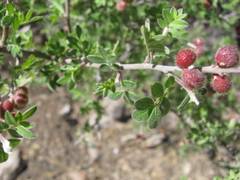
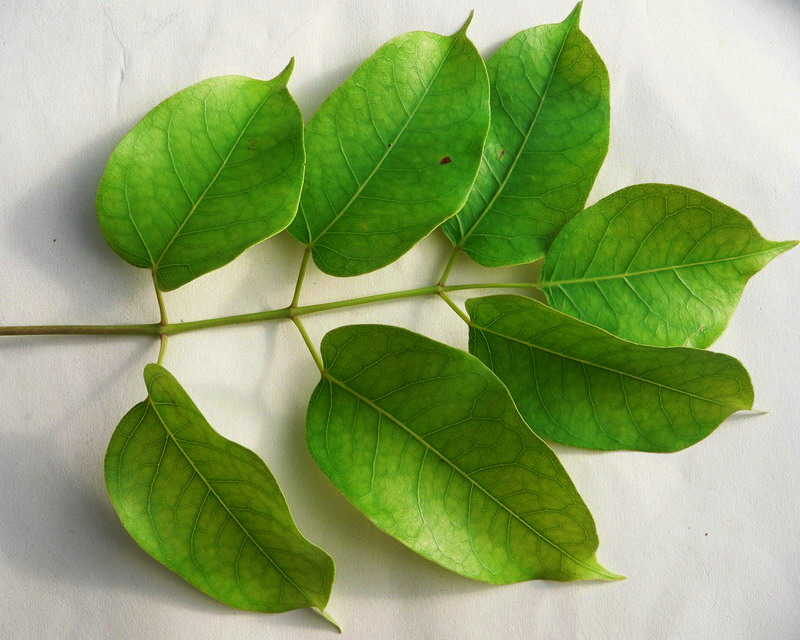
Bursera simaruba is a fast-growing tropical tree of southern Florida, the Caribbean, and tropical America, reaching 25-60 feet (7.5-18 m) tall with a broad, open crown. The smooth, coppery-red bark peels in thin, papery flakes, exposing green tissue beneath. The pinnately compound leaves have 7-11 leaflets, each 1-3 inches (2.5-8 cm) long, and drop during the dry season. Small greenish-cream flowers appear in spring on loose panicles, followed by three-angled fruits about 0.5 inch (1.3 cm) long that split to reveal a red-coated seed. The wood is soft and light, and large cut branches root readily, a trait used to make living fences. The tree withstands salt spray, wind, and brief flooding, growing in coastal hammocks and disturbed ground. Its brittle wood breaks in strong storms, and the spreading roots can lift nearby paving.
Native Range
Native to southern Florida, the West Indies, Mexico, and Central and northern South America, in tropical coastal forests and hammocks.Suggested Uses
Used as a shade and street tree in tropical and coastal landscapes and in seaside plantings exposed to salt. Cut branches serve as living fences and quick windbreaks. The peeling bark adds year-round interest.How to Identify
Appearance
Size & Dimensions
Height25' - 60'
Width/Spread25' - 40'
Bloom Information
Flowers open in spring, often as new leaves emerge after the dry season. The small greenish-cream blooms cluster on branched stalks. Flowering lasts a few weeks before fruit forms.
Detailed Descriptions
Foliage Description
greenGrowing Conditions
Sun Requirements
Requires 6-12 hours of direct sunlight daily
• Full Sun: 6+ hours of direct sunlight
• Partial Shade: 3-6 hours of direct sunlight
• Full Shade: Less than 3 hours of direct sunlight
Care & Maintenance
Care Guide
Grows in full sun in a wide range of well-drained soils, including sand and limestone, with a pH of 6.0-8.5. Established trees tolerate drought, salt spray, and wind, and grow quickly in warm climates. Brief flooding is tolerated, but constantly wet soil is not. The tree is restricted to frost-free or nearly frost-free areas in USDA zones 10-11. Brittle limbs may break in hurricanes, though trees often resprout. Scale and other minor pests occur but rarely cause serious harm.Pruning
Structural pruning when young reduces storm breakage by spacing the main limbs. Broken or crossing branches are removed after storms. Large cut branches root easily and are used as fence posts and propagation material.Pruning Schedule
Prune: June
summer