Bupleurum, Genus, longifolium, Species,
- Genus & species
long-leaved Hare's ear
Central and southern Europe (France through Alps, Carpathians, Balkans to Caucasus)
Overview
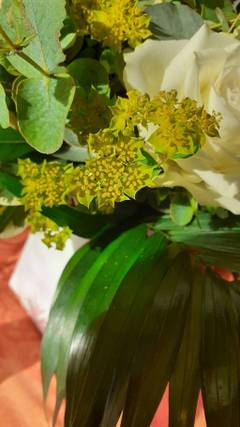
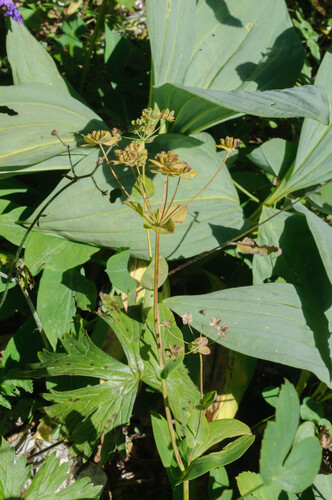
Bupleurum longifolium is an upright, clump-forming herbaceous perennial reaching 24–36 inches (60–90 cm) tall with a spread of 18–24 inches (45–60 cm). Among the carrot family (Apiaceae), this species lacks the finely divided foliage common to the family; instead it produces entire (undivided), broadly ovate to elliptic basal leaves 4–8 inches (10–20 cm) long with prominent parallel veins and a leathery, blue-green to gray-green surface. Stem leaves are smaller, more pointed, and clasp the stem at the base. Compound umbels 2–3 inches (5–8 cm) across appear at the stem tips from June through August, composed of tiny star-shaped chartreuse to yellow-green flowers subtended by petal-like bracts (bracteoles) that are yellow-green to bronze-green and persist after the flowers fade. The bracteoles are the main visual feature of the inflorescence, giving a longer display than the individual flowers. Seed heads develop a bronze tone and persist into fall. Plants are short-lived at 3–5 years and self-sow modestly in suitable conditions. In rich, moist soils, stems may lean and require staking or support from neighboring plants.
Native Range
Bupleurum longifolium is native to central and southern Europe, from France east through the Alps, Carpathians, and Balkans to the Caucasus. It occurs in mountain meadows, woodland edges, and rocky slopes on calcareous soils at elevations of 2,000–6,500 feet (600–2,000 m).Suggested Uses
Used in sunny borders, gravel gardens, and naturalistic plantings at 18–24 inch (45–60 cm) spacing. The chartreuse umbels and blue-green foliage combine with grasses, purple-flowered perennials, and Mediterranean-style plants. Used as a cut flower, fresh or dried. Grows in containers of at least 3 gallons (11 L). Short-lived; self-sowing sustains the planting over time.How to Identify
Appearance
Size & Dimensions
Height2' - 3'
Width/Spread1'6" - 2'
Bloom Information
Compound umbels 2–3 inches (5–8 cm) across appear from June through August. Individual flowers are tiny, star-shaped, chartreuse to yellow-green. The yellow-green to bronze-green bracteoles subtending each umbel persist for 4–6 weeks, extending the display period beyond the brief individual flower bloom. Seed heads develop a bronze tone in fall.
Detailed Descriptions
Flower Description
Chartreuse to yellow-green with bronze-green bracteolesFoliage Description
Blue-green to gray-green, leathery, entire with prominent parallel veinsGrowing Conditions
Sun Requirements
Requires 5-10 hours of direct sunlight daily
• Full Sun: 6+ hours of direct sunlight
• Partial Shade: 3-6 hours of direct sunlight
• Full Shade: Less than 3 hours of direct sunlight
Care & Maintenance
Care Guide
Grows in well-drained, average to lean soil in full sun to partial shade. Tolerates alkaline and chalky soils, consistent with its native calcareous mountain habitats. Excessive fertility and moisture produce lax stems prone to leaning; lean, well-drained conditions promote compact self-supporting growth. Drought-tolerant once established. Lifespan is 3–5 years, so allowing some self-sowing maintains the planting. Seed-grown plants may take 2 years to bloom. No serious pest or disease problems.Pruning
Remove spent flower stems in late fall or leave the bronze seed heads in place for winter texture and self-sowing. Cut the entire plant to the ground in early spring before new growth emerges. No other pruning is required.Pruning Schedule
Prune: March
early spring
Container Growing
Suitable for container growing
Minimum container size: 3 gallons