Brachychiton, Genus, spp., Multiple species,
- Genus
- Multiple species
kurrajongs
Overview
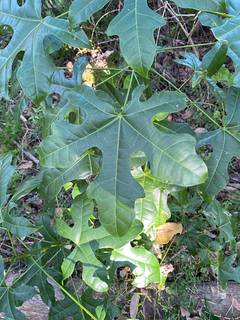
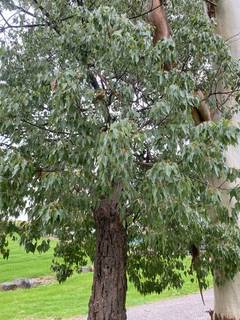
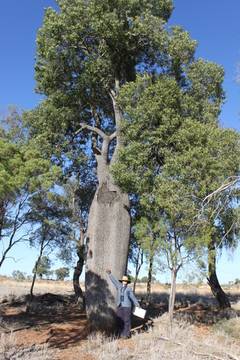
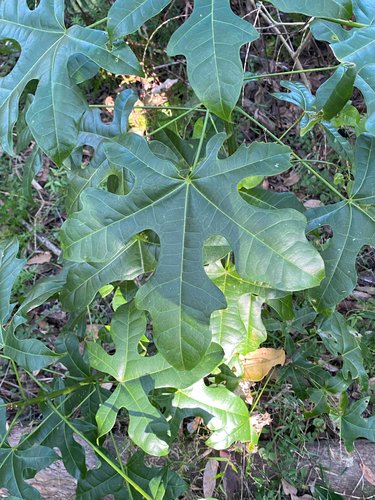
Brachychiton is a genus of about 31 species of trees and large shrubs in the mallow family (Malvaceae), native mainly to Australia with a few species reaching New Guinea. Mature size ranges from 4 m (13 ft) in shrubby species to 35 m (115 ft) in forest trees. Several species, most prominently B. rupestris, develop a swollen bottle-shaped trunk that stores water during drought. Leaves vary across the genus from simple ovate blades to deeply palmately 3-7 lobed forms 4-20 cm (1.6-8 in) long, and many species shed their foliage before or during flowering. The flowers are bell-shaped, 1-3 cm (0.4-1.2 in) wide, carried in branched panicles; the petal-less calyx ranges from red in B. acerifolius through pink, cream, and greenish-yellow in other species. Fruit is a woody, boat-shaped follicle 3-10 cm (1.2-4 in) long that splits along one side to release seeds surrounded by bristly irritant hairs, which can cause skin and eye irritation during handling. Growth is slow to moderate, and the swollen-trunked species take many years to reach characteristic form. The brittle wood breaks in storms, and the irritant seed hairs limit placement near play areas and paths.
Native Range
Brachychiton is native to Australia, where species occur across eastern rainforests, northern savannas, and the semi-arid interior; a small number extend north into New Guinea.Suggested Uses
Grown as street, park, and paddock shade trees in warm-temperate and subtropical regions, and as specimen trees in large gardens. Compact and bottle-trunked species are kept as container and bonsai subjects. Avenue plantings are spaced 6-12 m (20-40 ft) apart.How to Identify
Appearance
Size & Dimensions
Height13'1" - 114'10"
Width/Spread9'10" - 49'2"
Bloom Information
Across the genus, flowering occurs mainly in spring and early summer, roughly September to January in the native range, and individual species bloom for 3-6 weeks. Some species, including B. acerifolius, flower on leafless branches after the foliage drops. Cooler-climate plantings flower later and less reliably.
Detailed Descriptions
Flower Description
red, pink, cream, or greenish-yellowFoliage Description
green to grey-greenGrowing Conditions
Sun Requirements
Requires 6-10 hours of direct sunlight daily
• Full Sun: 6+ hours of direct sunlight
• Partial Shade: 3-6 hours of direct sunlight
• Full Shade: Less than 3 hours of direct sunlight
Water & Climate
Water Needs
Drought Tolerance
Drought tolerant when established
Care & Maintenance
Care Guide
Most species grow in full sun on well-drained soils and withstand extended dry spells once their root systems establish. They accept sandy to clay-loam soils at a pH near neutral. Frost tolerance differs across the genus: inland and arid-origin species endure light frost, while subtropical species are damaged below about -2 C (28 F). Established trees need little supplemental water, though plants in their first two summers grow more steadily with regular moisture. Pests are few, with occasional damage from seed-eating bugs and leaf-tying caterpillars.Pruning
Pruning is usually limited to removing dead, crossing, or storm-damaged branches in late winter before growth resumes. Young trees can be trained to a single leader for street use. The soft, brittle wood means large cuts close slowly and can admit decay.Pruning Schedule
Prune: August
winter
Container Growing
Suitable for container growing
Minimum container size: 10 gallons