Bothriochloa, Genus, spp., Multiple species,
- Genus
- Multiple species
bluestems
Warm-temperate and tropical worldwide; some Americas-native
Overview
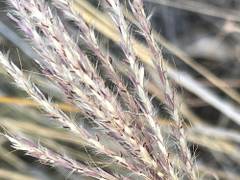
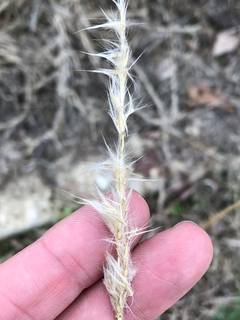
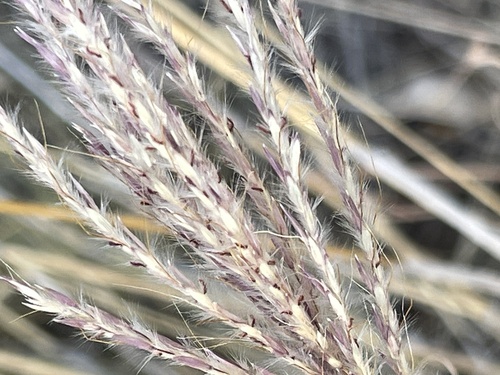
Bothriochloa is a genus of about 35 species of warm-season perennial grasses in the family Poaceae, known as bluestems or beardgrasses. They occur across the warmer parts of the world, with species native to the Americas, Africa, Asia, and Australia, growing in grasslands, prairies, roadsides, and open disturbed ground. Most form tufted clumps of slender stems 1 to 5 feet (30 to 150 cm) tall, some spreading by short rhizomes, with narrow grey-green to blue-green leaf blades that often flush red or purple in autumn. The flowering heads are branched or finger-like clusters of jointed spikelets clothed in soft silvery to purplish hairs, giving the seed heads a feathery look in late summer and autumn. As C4 grasses, they grow most actively in heat and tolerate drought, poor soil, and full sun once established. Several species, including B. ischaemum and B. bladhii, have been sown widely for forage and erosion control and have become weedy outside their native range, crowding out other grassland plants. The genus turns straw-brown and dormant in winter in cold-temperate areas. Clumps are cut back before spring growth resumes.
Native Range
Bothriochloa is distributed through the warm-temperate and tropical regions of the Americas, Africa, Asia, and Australia. Several species, such as B. laguroides and B. saccharoides, are native to the grasslands and prairies of North and South America, while others originate in the Old World.Suggested Uses
Bothriochloa is used in prairie and meadow plantings, naturalistic borders, and erosion control on dry banks for its feathery autumn seed heads and drought tolerance. Native species are grown in grassland restoration, while introduced ones are mainly pasture and forage grasses.How to Identify
Appearance
Size & Dimensions
Height1' - 5'
Width/Spread1' - 2'
Bloom Information
Detailed Descriptions
Flower Description
Silvery to purplishFoliage Description
Grey-green to blue-green, reddening in autumnGrowing Conditions
Sun Requirements
Requires 6-12 hours of direct sunlight daily
• Full Sun: 6+ hours of direct sunlight
• Partial Shade: 3-6 hours of direct sunlight
• Full Shade: Less than 3 hours of direct sunlight
Care & Maintenance
Care Guide
Bothriochloa grows in full sun and free-draining soil, tolerating drought, heat, and poor or rocky ground once established. As a warm-season C4 grass, it begins growth late in spring and is most active through summer heat. Plants need little water or feeding and may flop or grow open in rich or shaded sites. Cold-climate clumps go dormant and straw-colored in winter and are cut back before new spring growth. Because some species self-seed and spread, they can move beyond where they are planted in warm regions. Division in spring renews old clumps.Pruning
Bothriochloa is cut back to a few inches above the ground in late winter or early spring before new growth begins. Removing the old stems makes way for fresh blades and tidies the clump. Seed heads can be left over winter for structure and removed at the same cut.Pruning Schedule
Prune: February–March
winterearly spring