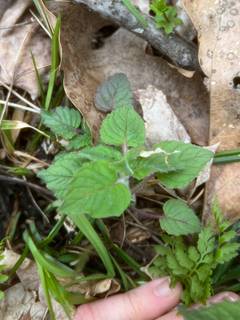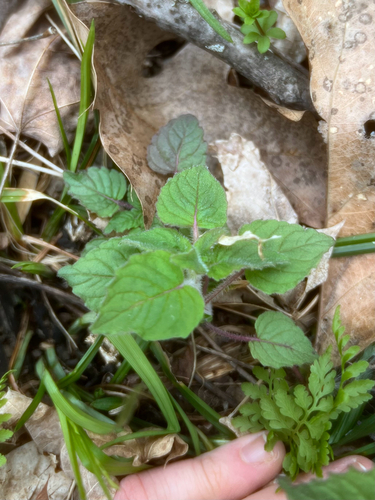
Blephilia, Genus, spp., Multiple species,
- Genus
- Multiple species
wood mint
Overview
Blephilia is a genus of perennial herbs in the mint family (Lamiaceae), native to eastern and central North America. The genus includes downy wood mint (Blephilia ciliata) and hairy wood mint (Blephilia hirsuta), both clump-forming plants with square stems typical of the mint family. Plants grow 12-30 inches (30-75 cm) tall, with opposite, toothed, often hairy leaves that release a faint minty scent when crushed. In early to midsummer the stems carry tiered whorls of small two-lipped flowers in pale lavender to purple, spotted with darker purple, stacked in interrupted clusters that give a pagoda-like outline. Blephilia grows in open woodland, woodland edges, prairies, and rocky slopes on a range of soils. Plants spread slowly by short rhizomes and self-seed in open ground. The flowers draw bees and other pollinators over several weeks. Most species tolerate part shade better than many mints, though they can look untidy after flowering and may need cutting back.
Native Range
Native to eastern and central North America, from the Great Lakes and New England south to the Gulf states, in open woods, woodland edges, prairies, and rocky glades.Suggested Uses
Grown in pollinator and native plant gardens, woodland edges, and informal borders. The tiered flower spikes combine with prairie grasses and other summer-blooming native perennials.How to Identify
Appearance
Size & Dimensions
Height1' - 2'6"
Width/Spread1' - 1'6"
Bloom Information
Detailed Descriptions
Flower Description
Pale lavender to purpleFoliage Description
GreenGrowing Conditions
Sun Requirements
Requires 4-8 hours of direct sunlight daily
• Full Sun: 6+ hours of direct sunlight
• Partial Shade: 3-6 hours of direct sunlight
• Full Shade: Less than 3 hours of direct sunlight
Care & Maintenance
Care Guide
Blephilia grows in full sun to part shade on average, well-drained soils, and tolerates clay and rocky ground. Plants accept drier shade better than many mints but flower most in brighter light with steady moisture. They spread slowly by rhizomes and self-seed where soil is open. Division in spring or autumn renews older clumps. Cutting back after flowering tidies the plants and can prompt fresh basal growth.Pruning
Stems are cut back after flowering to neaten the plant and limit self-seeding. Foliage can be left over winter for seed-eating birds and removed in early spring. No woody pruning is needed.Pruning Schedule
Prune: July–August
summer
Container Growing
Suitable for container growing
Minimum container size: 2 gallons