Bauhinia, Genus, variegata, Species,
- Genus & species
Orchid tree
Southern China and the Indian subcontinent
Overview
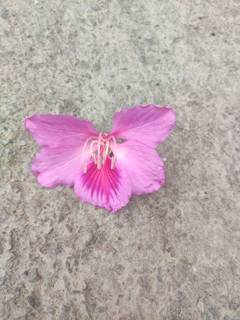
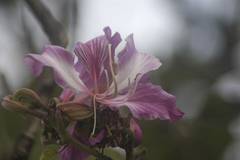
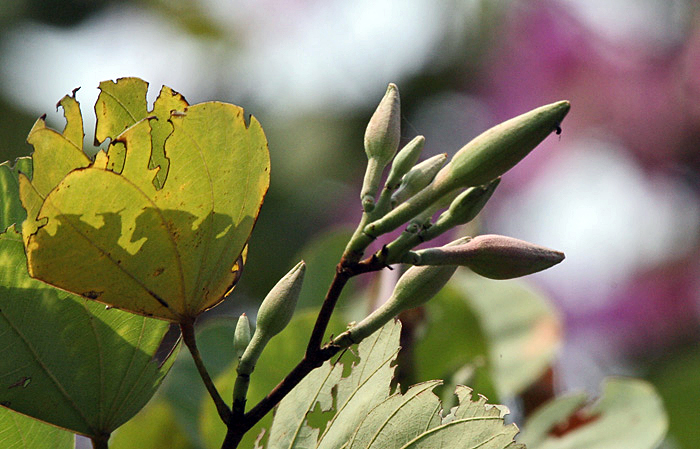
Bauhinia variegata is a deciduous tree in the legume family (Fabaceae), 20–35 feet (6–10.5 m) tall with a spreading, rounded crown 15–25 feet (4.5–7.5 m) wide. The trunk is short, with gray to brown bark that is smooth when young and fissured with age. Leaves are alternate, 3–6 inches (7.5–15 cm) wide and about as long, with a heart-shaped base and two rounded lobes divided by a shallow cleft. Flowers are 2–3.5 inches (5–9 cm) wide with five petals in lilac, magenta-pink, or purple, the central petal darker with purple veins, borne in short racemes of 3–6; white-flowered selections such as Bauhinia variegata 'Candida' also occur. Flowers open on bare branches in February to April and are lightly fragrant. Fruits are flat, brown pods 6–12 inches (15–30 cm) long and 0.5–0.75 inch (13–19 mm) wide that split open to release 10–15 seeds. Growth is 24–36 inches (60–90 cm) per year. Trees drop leaves in dry or cool seasons, and leaves are damaged at 28°F (−2°C). Seedlings appear under mature trees, and fallen pods and petals create litter.
Native Range
Bauhinia variegata is native to southern China and the Indian subcontinent, including India, Nepal, Bhutan, and Myanmar. It grows in dry deciduous forest and on hillsides in the lower Himalayan foothills.Suggested Uses
Planted as a street, lawn, and garden tree in zones 9–11, spaced 15–20 feet (4.5–6 m) apart in avenues. Flower buds and young pods are cooked as vegetables in India and Nepal.How to Identify
Appearance
Size & Dimensions
Height20' - 35'
Width/Spread15' - 25'
Bloom Information
Detailed Descriptions
Flower Description
Lilac to magenta-pink with a darker, veined central petalFoliage Description
Medium greenGrowing Conditions
Sun Requirements
Requires 6-10 hours of direct sunlight daily
• Full Sun: 6+ hours of direct sunlight
• Partial Shade: 3-6 hours of direct sunlight
• Full Shade: Less than 3 hours of direct sunlight
Care & Maintenance
Care Guide
Grows in full sun in deep, well-drained loam or sandy soil with a pH of 6.0–7.5. Hardy in USDA zones 9–11, with leaf damage at 28°F (−2°C) and death of the tree at about 20°F (−7°C). Young trees receive 1 inch (25 mm) of water per week, and established trees tolerate dry periods of 4–6 weeks. Chlorosis develops in alkaline soil above pH 7.5, and wet soil causes root rot. Mealybugs, scale, and leaf-feeding caterpillars affect the foliage.Pruning
Pruning is done after flowering in May or June, removing dead, crossing, or low branches. Trees are trained to a single trunk with 3–5 main scaffold branches above 6 feet (1.8 m). Seed pods are cut from branch ends after they split to reduce seedling spread.Pruning Schedule
Prune: May–June
late spring