Avenella, Genus, spp., Multiple species,
- Genus
- Multiple species
wavy hair-grass
Northern Hemisphere temperate and subarctic regions
Overview
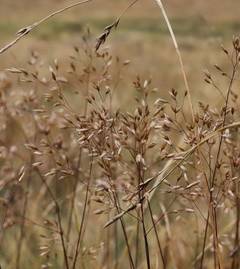
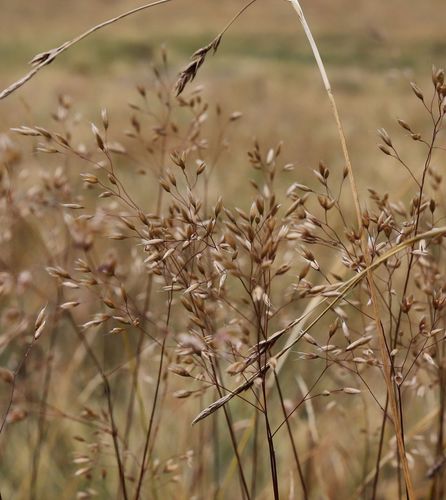
Avenella is a small genus of tufted perennial grasses in the family Poaceae, sometimes merged into Deschampsia. Plants form dense basal clumps of narrow, inrolled leaves 4-12 inches (10-30 cm) long and roughly 0.02-0.04 inch (0.5-1 mm) wide, dark green and wiry. Flowering stems rise 12-40 inches (30-100 cm) tall, carrying open, spreading panicles 4-8 inches (10-20 cm) long. Spikelets are small, 0.1-0.2 inch (3-5 mm), two-flowered, each with a slender bent awn, ranging from silvery green to purple-brown and ageing to straw color. A. flexuosa, a widely grown species, flowers in early to mid summer. Most species are evergreen to semi-evergreen, the foliage persisting through mild winters and browning at the tips in cold or drought. Growth is clump-forming rather than spreading, expanding slowly at the base without rhizomes. Foliage and flower color vary with species and soil acidity. Plants are restricted to acidic, low-fertility substrates and decline on alkaline or heavily fertilized soils.
Native Range
The genus is distributed across temperate and subarctic regions of the Northern Hemisphere, including Europe, northern and eastern Asia, and northern North America, with A. flexuosa circumboreal in range. Plants grow in heathland, moorland, acidic open woodland, and mountain grassland, typically on nutrient-poor, acidic soils from sea level to about 8,000 feet (2,400 m).Suggested Uses
Used in naturalistic and prairie-style plantings, heath gardens, and woodland edges, spaced 12-18 inches (30-45 cm) apart. The evergreen tufts and airy flowering stems suit massed groundcover on acidic banks. Tolerance of dry shade makes the genus suitable for planting beneath pines and other conifers.How to Identify
Appearance
Size & Dimensions
Height1' - 3'4"
Width/Spread8" - 1'4"
Bloom Information
Flowering occurs from late spring into mid summer across most of the genus, chiefly June and July in temperate zones. In cooler upland and subarctic sites flowering may extend into August. The airy panicles open silvery green to purple and fade to straw-brown, persisting on the stems for several weeks after seed set.
Detailed Descriptions
Flower Description
silvery green to purple-brown, ageing to strawFoliage Description
dark greenGrowing Conditions
Sun Requirements
Requires 3-8 hours of direct sunlight daily
• Full Sun: 6+ hours of direct sunlight
• Partial Shade: 3-6 hours of direct sunlight
• Full Shade: Less than 3 hours of direct sunlight
Care & Maintenance
Care Guide
Plants grow in acidic soils with a pH below about 6.0 and decline where soil is alkaline or rich in nutrients. Full sun to partial shade suits most species, with A. flexuosa tolerating deeper woodland shade than many grasses. Once established, plants tolerate drought and poor, sandy or peaty ground, though waterlogged sites are not tolerated. Old foliage can be combed out or cut back in late winter before new growth begins. Plants are largely free of serious pests and diseases, though rust fungi occasionally mark the leaves in humid conditions. Self-seeding occurs on bare acidic ground and can form colonies over time.Pruning
Cut or comb away the previous season's dead foliage in late winter to early spring before new shoots emerge. Flowering stems can be removed after seed set to limit self-sowing, or left standing for winter structure. No formative pruning is needed, as plants regenerate from the basal clump.Pruning Schedule
Prune: February–March
winterearly spring
Container Growing
Suitable for container growing
Minimum container size: 2 gallons