Image 1 of 9
1 / 9
Plant Reference
Aster, Genus, spp., Multiple species,
- Genus
- Multiple species
aster
Overview
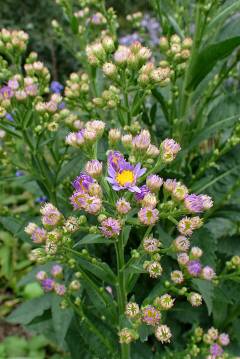
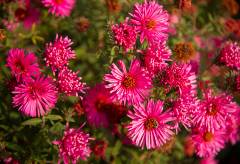
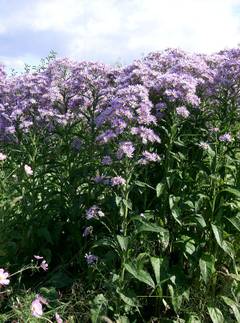
Aster is a genus of mostly herbaceous perennials in the daisy family, grown for clusters of daisy-like flower heads in late summer and autumn. Across the genus, plants range from 6 inches to 6 feet (15-180 cm) tall and 1.5-4 feet (45-120 cm) wide, forming upright clumps of slender stems. The narrow to lance-shaped leaves are medium to dark green and 1-6 inches (2.5-15 cm) long. Each flower head has ray florets in white, pink, lavender, blue, or purple around a yellow central disc, and heads are carried in branched sprays. Most species bloom from late summer into autumn, drawing bees and butterflies to late-season nectar. Asters grow in full sun in moist, well-drained soil; many are prone to powdery mildew, especially in dry soil or crowded plantings. The genus spans North America, Europe, and Asia, with many North American species now placed in related genera such as Symphyotrichum. Hardy across a wide range, asters are grown in borders, meadows, and wildlife gardens.
Native Range
The genus Aster occurs across the temperate Northern Hemisphere, in North America, Europe, and Asia, in habitats from meadows and prairies to woodland edges and mountain slopes. Many species once placed here, especially North American ones, are now classified in genera such as Symphyotrichum and Eurybia.Suggested Uses
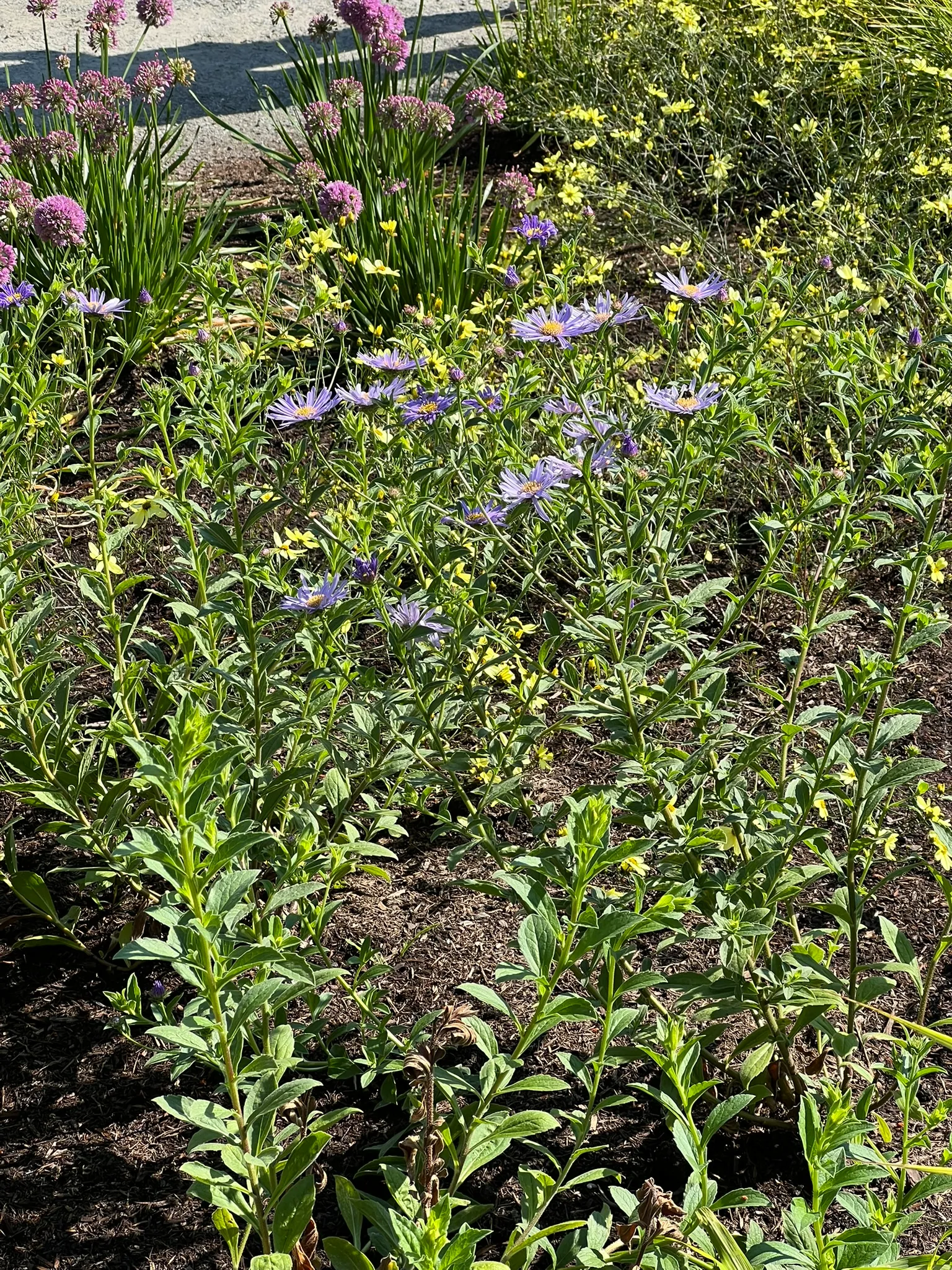
Asters are grown in mixed and perennial borders, prairie and meadow plantings, cottage gardens, and pollinator and wildlife gardens. Lower species suit the front of borders and rock gardens, while tall species are spaced 18-24 inches (45-60 cm) apart toward the back. The flowers are also cut for late-season arrangements.How to Identify
Appearance
Size & Dimensions
Height6" - 6'
Width/Spread1'6" - 4'
Bloom Information
Most asters bloom from late summer into autumn, generally August through October, though some flower in early summer. The daisy-like heads open in white, pink, lavender, blue, or purple over a long season. They are a key late-season nectar source for bees and butterflies.
Detailed Descriptions
Flower Description
White, pink, lavender, blue, purple with yellow centersFoliage Description
Medium to dark green, narrow to lance-shapedGrowing Conditions
Sun Requirements
Requires 6-10 hours of direct sunlight daily
• Full Sun: 6+ hours of direct sunlight
• Partial Shade: 3-6 hours of direct sunlight
• Full Shade: Less than 3 hours of direct sunlight
Care & Maintenance
Care Guide
Grow most asters in full sun in moist, fertile, well-drained soil, though woodland species accept part shade. Keep the soil from drying out, since drought stress worsens powdery mildew, the main problem in the genus. Spacing plants for airflow and dividing clumps every few years keeps them healthy. Taller species may need staking or pinching in early summer to limit flopping. Most are hardy, long-lived perennials across a wide zone range. Feeding is rarely needed in average garden soil.Pruning
Cut stems back to basal growth in late autumn or early spring once they have died down. Pinching the shoot tips in early summer produces shorter, bushier plants with more flower heads. Dividing congested clumps in spring keeps them vigorous.Pruning Schedule
Prune: March & November
fallearly spring
Container Growing
Suitable for container growing
Minimum container size: 2 gallons